
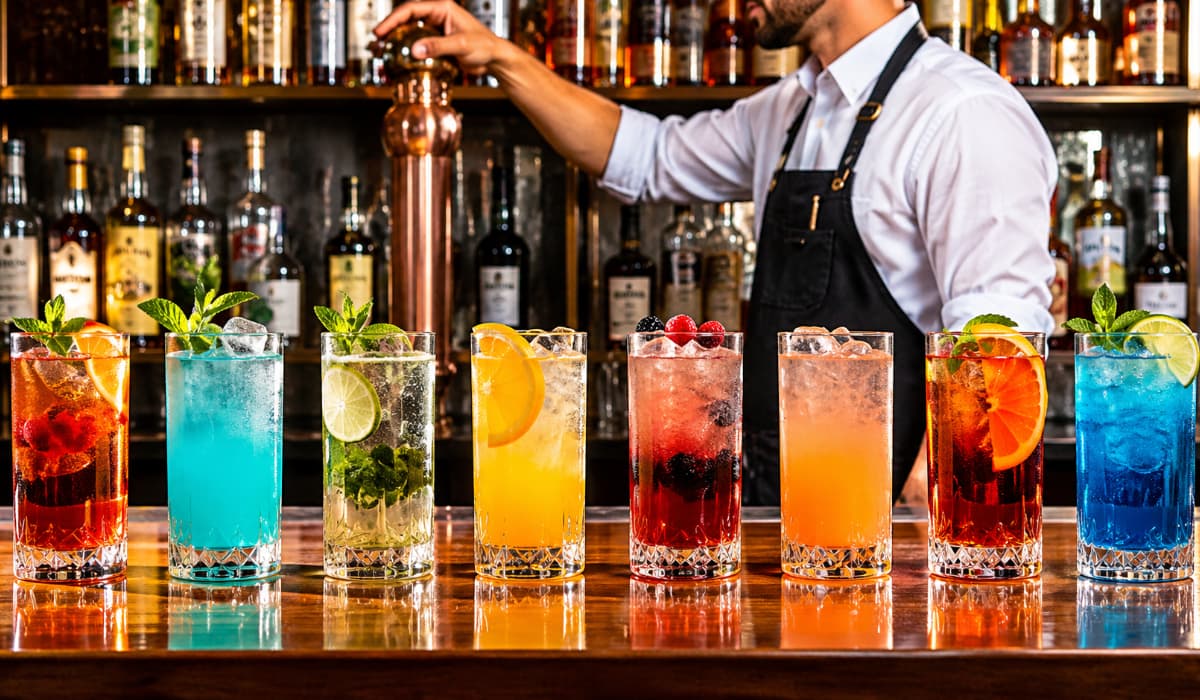
If you order a Whiskey Highball, a Gin and Tonic or a Moscow Mule you will discover that carbonation is an important aspect of the overall drinking experience. The bubbles provide texture to the cocktail, affect the perception of the flavors in the cocktail, and give a refreshing finish to the drink. Bartenders have traditionally done this by adding soda water, tonic water, or other carbonated mixers.
However, modern mixology enables the bartender to introduce carbonation directly into the cocktail rather than rely on a fizzy mixer. That technique has also been applied to bottled, draft, and ready-to-drink cocktails. They both produce a fizzy alcoholic drink, of course, but the way they're made and the effect they have on the final product are very different. Here's a look at how they work.
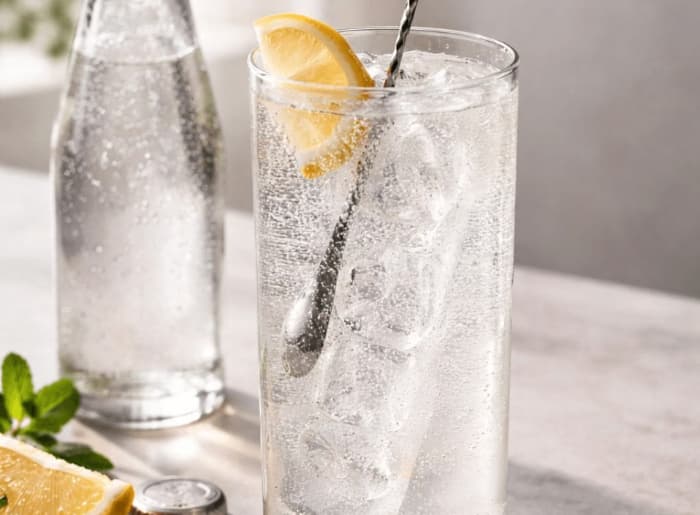
Any cocktail that contains dissolved CO2 can be described as carbonated. A cocktail that's been 'directly' carbonated is one that's been prepared via a process known as forced carbonation. The cocktail ingredients such as the spirits, sweeteners, and the water are all combined together and then the whole lot is forced with CO2 under pressure. The level of carbonation can be controlled via specialist carbonation equipment without the need for a separate carbonated mixer.
This technique enables the bartender to play around with cocktails that are normally served non-carbonated. A Carbonated Negroni is a case in point, taking the classic gin, bitter Italian aperitif, and sweet vermouth and adding carbonation. A Carbonated Margarita is another example, a sparkling version of the tequila cocktail that doesn't use a flavored soda. It's a way to play with the drink's texture while still preserving the original flavors.
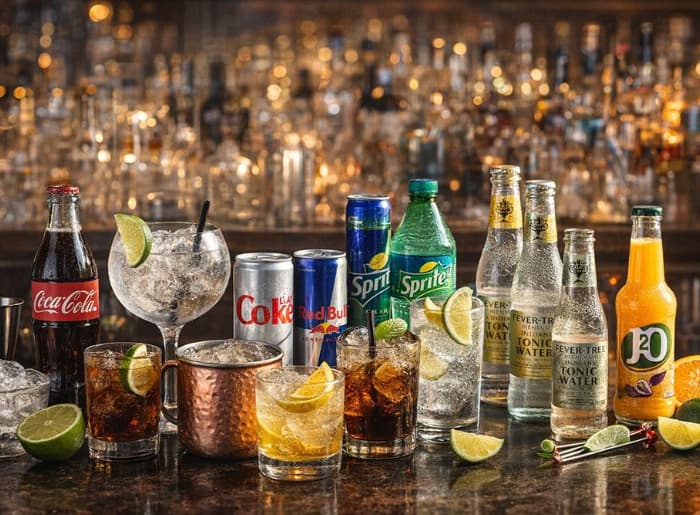
Soda mixers are pre-carbonated drinks that are added to spirits or other ingredients when making a cocktail. They've been a staple of cocktail culture for a long time, particularly in highballs, Collins, fizzes and the like. The mixer will add dilution, sweetness, bitterness, acidity and other flavors in addition to the carbonation.
The use of soda water in cocktails like the Whisky Highball and the Tom Collins is purely to provide the fizz without in any way affecting the drink's fundamental flavor. Other mixer options have a far more distinct character. Tonic water, of course, adds the bitterness of quinine to a Gin and Tonic; ginger beer adds sweetness and spice to a Moscow Mule, and grapefruit soda is what gives the Paloma its distinctive citrus character. They are all very much part of the cocktail's makeup.
Looking to improve your home bartending skills? Explore 10 classic cocktails every home bartender should master.
The fundamental difference is in how the carbonation is introduced. With forced carbonation you carbonate the whole cocktail mix before you serve it. With soda mixers you're taking a pre-carbonated ingredient and adding that to the rest of the cocktail.
Direct carbonation generally requires a bit more advanced preparation and specialised kit, whereas mixer based cocktails can be put together very quickly using standard bar kit.
Carbonation has an effect beyond just the look of a drink. When CO2 dissolves in water some of it forms carbonic acid which is what gives the drink its acidity and the 'bite' that we associate with carbonated drinks.
Direct carbonation will give you that sensation without the flavors or sweetness of a commercial mixer. Flavoured soda mixers can add their own degree of complexity though, particularly if the ingredients in the mixer are in keeping with the base spirit.
When a bartender adds soda water or some other mixer to a cocktail they're simultaneously introducing carbonation and dilution. Forced carbonation allows you to control the carbonation and the dilution separately, with the required amount of water being added prior to carbonation.
Neither method in any way produces a stronger alcoholic drink. The final ABV is a function of the amount and strength of the spirit used, the other ingredients and the overall dilution. Carbonation in itself doesn't make a cocktail any stronger.
Direct carbonation gives the bartender far more flexibility in terms of how much CO2 they can put into a cocktail. With soda mixers the level of initial carbonation is very much dictated by the product you're using.
Temperature is also a major factor with colder liquids generally holding more of the dissolved CO2. The ingredients, the amount of ice, the glassware and the manner in which it's served will all have an effect on how quickly a drink loses its fizz. A directly carbonated cocktail is not necessarily going to be fizzier than a properly made Whisky Highball.
Ever wondered why young drinkers are asking bartenders more questions? Discover what's driving this shift in India's evolving bar culture.
Forced carbonation gives the bartender far more scope in terms of creativity when coming up with new drinks or reworking old ones. It's very useful when you're working with clarified cocktails (i.e. cocktails where the suspended particles have been removed to produce a clearer liquid). Clarification and carbonation are two separate techniques, but reducing the amount of suspended particles can in fact help to prevent excessive foaming during carbonation and on serving.
The technique also has a number of real-world applications in commercial bars and in the manufacture of carbonated alcoholic drinks. It's possible to produce cocktails in batches which then allow for the standardisation of the proportions of the ingredients, the dilution and the level of carbonation. These can then be served via a draft system or in sealed bottles therefore reducing the amount of time that needs to be spent on preparation during peak service. The same principle applies to carbonated alcoholic RTD's although not all ready to drink cocktails are carbonated and not all are produced in the same way.
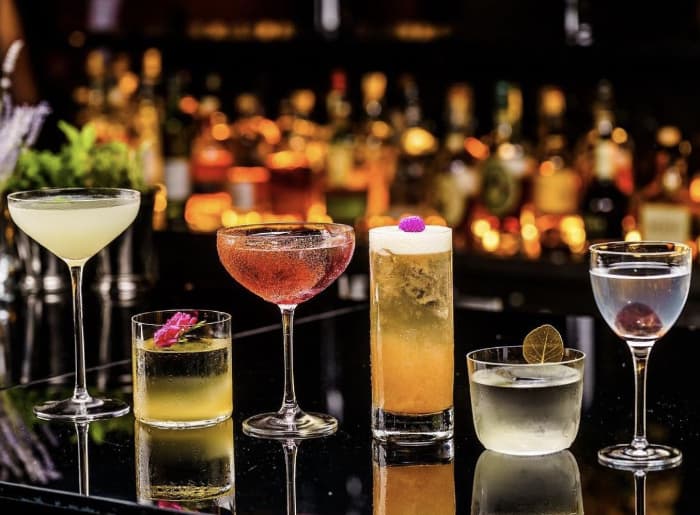
For the professional bartender who's interested in playing around with flavor, texture and presentation, forced carbonation provides a huge amount of scope. It enables you to add the fizz to a cocktail that would otherwise be a still cocktail, without having to rely on the mixer you're using. The downside is that it does require additional kit, additional preparation and you do need to be very careful about temperature.
Soda mixers are still a very practical and widely used option for both the professional and the home based bartender. Their value goes well beyond just the carbonation though. If you took the tonic water out of a Gin and Tonic or the ginger beer out of a Moscow Mule you'd be completely changing the nature of those drinks. It's all down to the ingredients, the flavour you're after and the type of drink you're making.
Curious about the people shaping India's cocktail scene? Discover 5 Indian bartenders who are changing the way we drink.
This article draws on scientific research from the University of Florida, professional bartending resources from Diageo Bar Academy and Campari Academy, and references from the International Bartenders Association (IBA) and The Oxford Companion to Spirits & Cocktails. These sources explain carbonation science, its influence on taste and mouthfeel, cocktail preparation techniques, and applications in modern mixology.
Carbonated cocktails and soda mixers represent two different approaches to introducing effervescence into alcoholic beverages. While soda mixers remain central to many classic cocktails, forced carbonation allows bartenders to explore new interpretations of familiar drinks. Neither technique is inherently superior, and understanding their differences offers a greater appreciation of how carbonation, dilution, flavor, and texture come together in a well-crafted cocktail.