

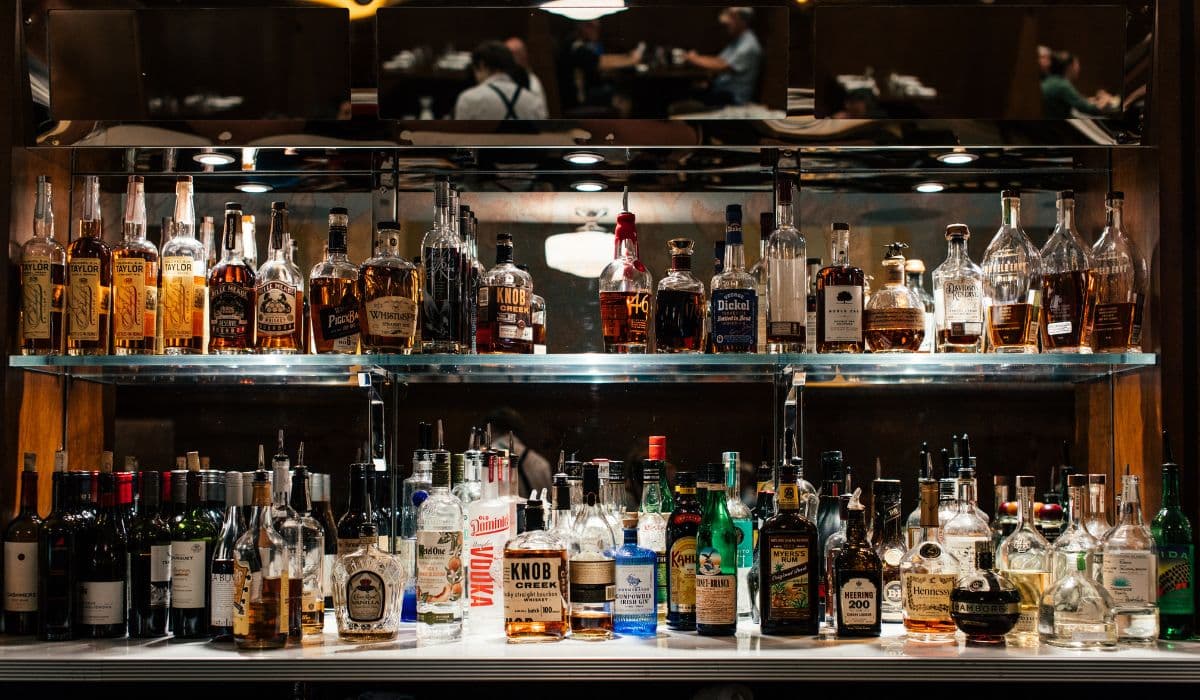
It is likely that Delhi residents are all set to see an increase in liquor prices in the coming months. The Delhi government is currently preparing to roll out its new excise policy that is aimed at boosting state revenue. This, it will accomplish, by hiking excise duty and restructuring retail margins. The final draft of the policy is ready, and, following official approvals, it is expected to be notified in October 2026, ahead of the peak festive season. Here are other key details to know about this update.
The final draft proposal of this new excise policy is, as of now, awaiting submission to the Delhi Cabinet and Lieutenant Governor Taranjit Singh Sandhu for the final nod. The submission will take place as soon as the transfer of former commissioner Ravi Jha is completed and a new Excise Commissioner is appointed.
As per the report made by The Indian Express, the state will continue operations on the same model. There will be no entry of private players into the retail liquor business in Delhi. They will continue to be strictly under government-run shops.
.jpg&w=1920&q=75)
Also Read: Ladakh Excise Policy Eases Restrictions On Liquor Sale
As of now, the retail margins are fixed on a per-bottle basis. For instance, scotch whiskies have a retail margin of INR 100, which is the highest. This tapers down to INR 50 for lower price bands. Replacing or raising these fixed margins will make it viable for state retailers to upgrade shops and stock high-end, premium imported liquor that is priced above INR 1,000.
Due to the existing fixed margin structure in Delhi, a number of popular brands have been significantly cheaper in neighboring cities like Gurugram and Faridabad. This particular proposed policy is aiming to narrow this precise price gap.
Also Read: Uttar Pradesh Excise Revenue Hits INR 57,722 Crore in FY 2025-26
It is important to note that the full-fledged implementation of this proposed new excise policy hinges on the Cabinet and LG approvals expected during October 2026. Arguably, the biggest downside of this proposed new policy would be that the price tags on popular beer, spirits, and imported brands will rise. However, there is also a positive aspect to the new policy, namely that consumers can expect better-equipped government liquor stores and improved availability of premium labels within the city.
.jpg&w=3840&q=100)
.jpg&w=3840&q=100)
.jpg&w=3840&q=100)