

Every four years, the FIFA World Cup, the biggest sporting event on Earth, becomes a spectacle for audiences across the world. Fans flood airports wearing national jerseys, sports bars stay packed until late, and social media turns into a nonstop stream of goals, celebrations, debates, and heartbreak. From dramatic stoppage-time winners to iconic penalty shootouts, the World Cup creates moments that stay with fans for years.
FIFA World Cup 2026 will be the 23rd edition of the tournament and the first to feature 48 teams, hosted across the United States, Canada, and Mexico. More countries, more matches, and more host cities mean millions of traveling supporters and one of the largest global audiences football has ever seen.
The modern World Cup is no longer just about football on the pitch. It has become a massive cultural and commercial ecosystem where tourism, nightlife, hospitality, entertainment, digital media, and branding all collide. For companies, the tournament is now one of the most valuable marketing opportunities in the world.
In 2022, Louis Vuitton’s "Victory is a State of Mind" advertisement, shot by Annie Leibovitz, featured two of the greatest footballers to ever play the beautiful game, Cristiano Ronaldo and Lionel Messi. In 2026, they reunited for an ad campaign with Lego. Brands like Pepsi, Budweiser, Master Card have all embraced the scale of the FIFA World Cup, and the type of opportunities it brings as a substitute to traditional sponsorship visibility.
Millions of fans are expected to travel across North America during the tournament, moving between airports, hotels, sports bars, restaurants, fan zones, nightlife venues, and stadiums. That movement creates constant opportunities for brands to engage consumers emotionally throughout the tournament experience.
Football fans today also consume tournaments differently compared to previous generations. Matches are no longer experienced only through television broadcasts. Fans now follow football through social media platforms such as Instagram or TikTok, Sports bars, rooftop screenings, etc., all of which provide different types of entertainment and viewing experiences. The World Cup has effectively become a month-long entertainment and lifestyle event rather than simply a football competition.

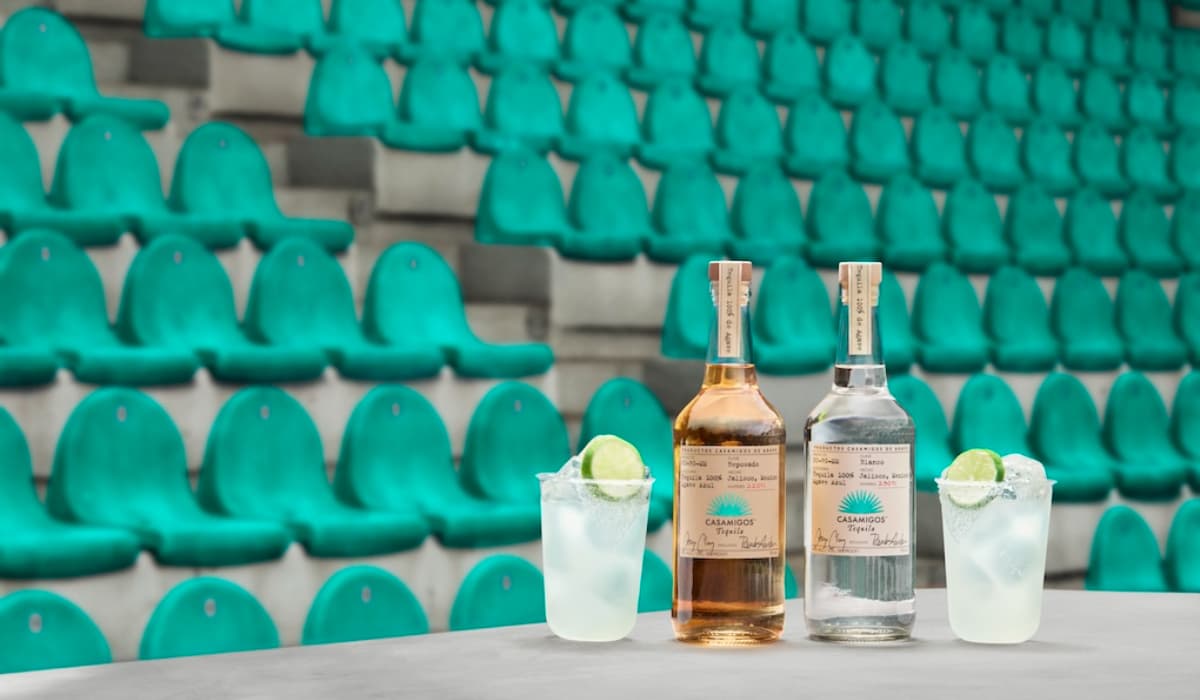
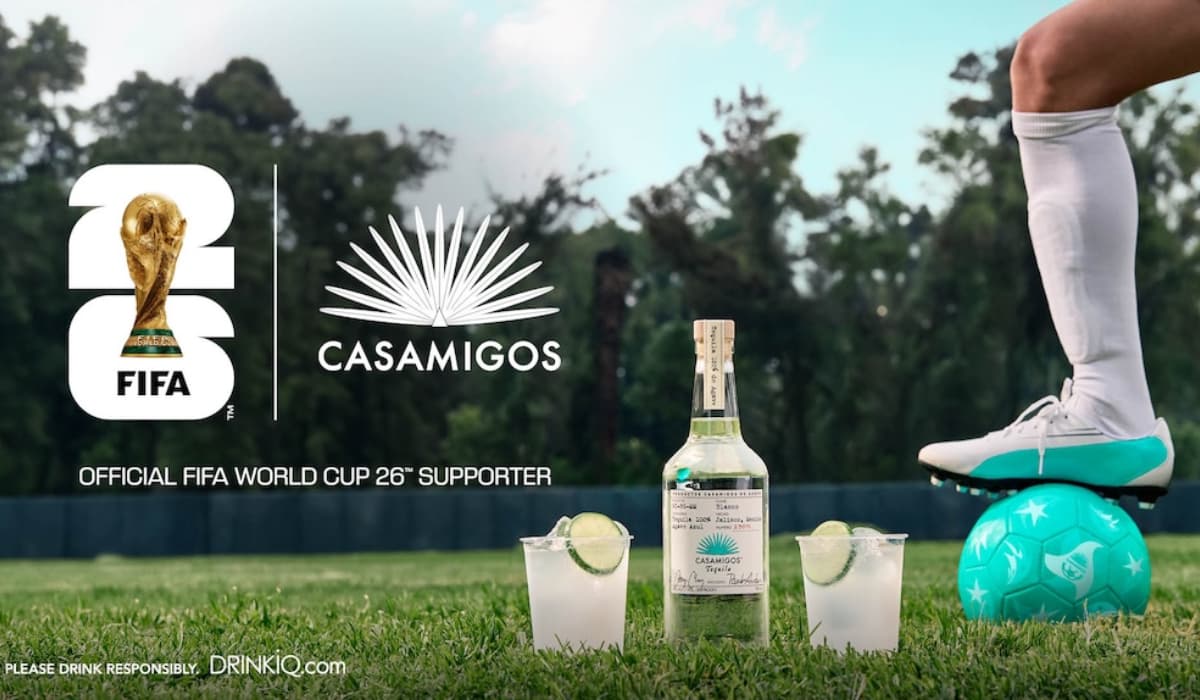
As the Official Spirits Supporter across North, Central, and South America, Diageo is launching one of the most ambitious alcohol marketing campaigns tied to the 2026 FIFA World Cup.
The company plans to activate Don Julio and Casamigos across 34 airports with more than 100 separate experiences during the tournament period. Rather than focusing only on product visibility, Diageo is building immersive football-themed activations designed to make the brands part of the fan journey itself.
The activations include:
Instead of treating airports like ordinary duty-free retail environments, Diageo is transforming them into football experience hubs.
This strategy reflects a major shift in sports marketing as traditional sponsorships once revolved around logos and advertisements. Today, brands want emotional engagement and immersive participation. They want fans to interact with the brand, photograph the experience, post it online, and associate it with memorable World Cup moments. Diageo is not simply selling tequila through these activations; it is selling atmosphere, celebration, and football culture.
The scale of the FIFA World Cup is exactly why brands are investing so heavily in activations ahead of the 2026 tournament. According to FIFA’s audience reports from Qatar 2022, the tournament engaged nearly 5 billion fans across television, digital platforms, social media, and FIFA-owned channels. The final between Argentina and France alone reached 1.42 billion viewers globally, making it the most-watched World Cup final in history. Digital engagement also exploded during the tournament, with the 2022 final generating a 621% increase in social media interactions compared to the 2018 final.
The numbers surrounding individual matches further show football’s unmatched global pull. Argentina vs France recorded a live audience of 570.8 million viewers, while semifinal clashes like France vs Morocco and Argentina vs Croatia crossed 300 million viewers globally. Even quarterfinal matches such as Morocco vs Portugal and Croatia vs Brazil attracted audiences larger than the population of many countries. For brands like Diageo, these numbers explain why the FIFA World Cup is no longer just a sporting event. It is one of the biggest entertainment and consumer engagement platforms in the world.
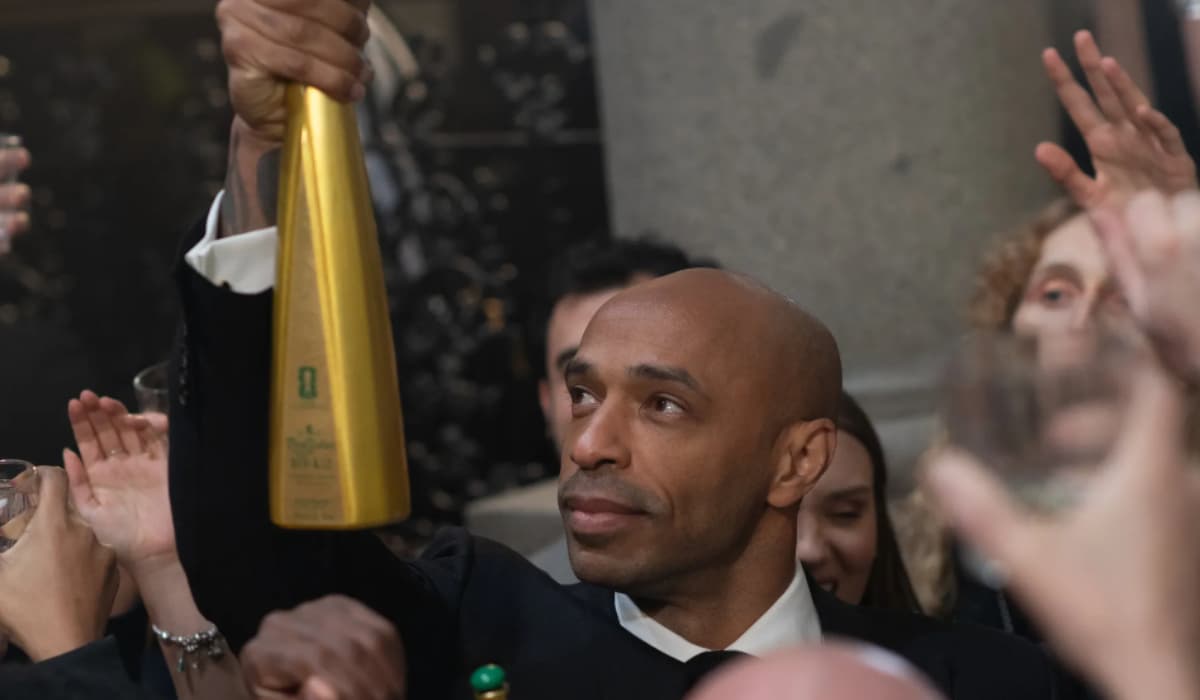
One of the smartest parts of Diageo’s strategy is its focus on airports. At first glance, airports might seem disconnected from football fandom. However, during the World Cup, airports become emotional gathering points filled with anticipation, celebration, nervousness, and excitement. Supporters travel wearing jerseys, carrying scarves, discussing team selections, and celebrating victories before they even arrive at the stadium.
A fan flying from Buenos Aires to Dallas or from London to Mexico City is already fully immersed in the World Cup experience. Airports allow Diageo to engage consumers during emotionally heightened moments when excitement around football is already extremely high.
Airports are no longer viewed simply as shopping zones, as they are increasingly becoming lifestyle and hospitality spaces where brands can create immersive experiences for international audiences.
The company is positioning Don Julio as a premium celebration tequila associated with nightlife, luxury experiences, and victory culture. Casamigos, meanwhile, takes a more relaxed and social approach focused on shared fan experiences, casual gatherings, and football celebrations among friends.
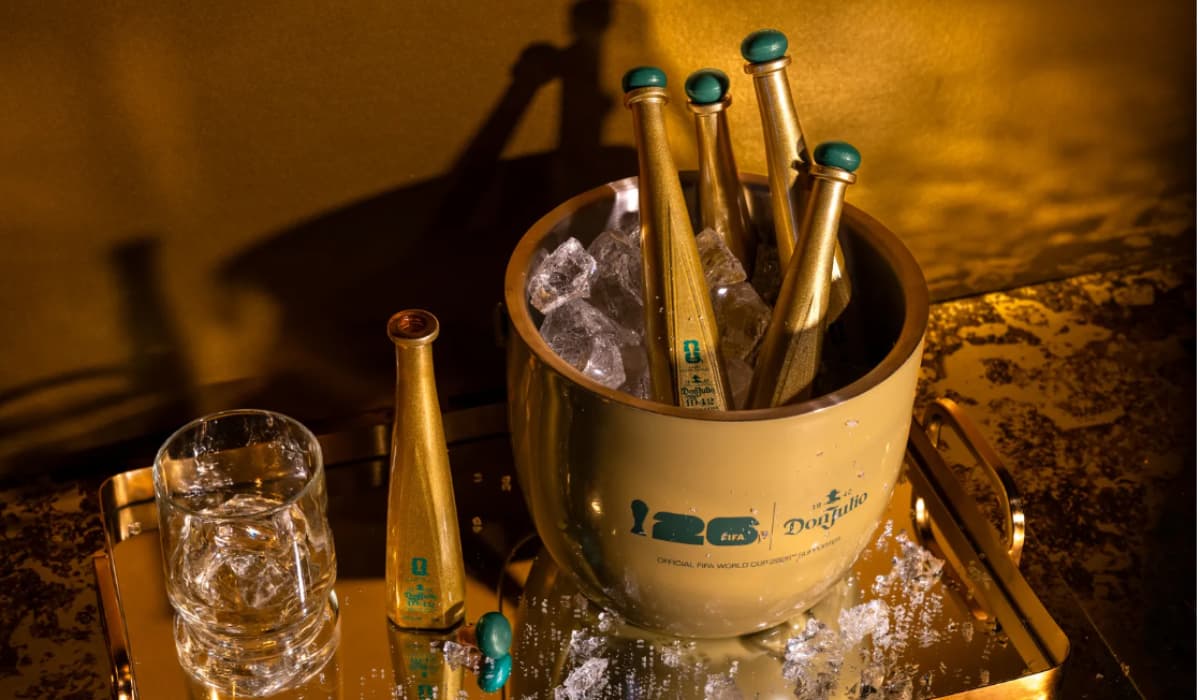
Modern alcohol brands are moving away from purely product-focused advertising and investing far more heavily in experience-led campaigns. Consumers today respond more strongly to social experiences, hospitality environments, and emotional storytelling than traditional commercials alone.
Football culture naturally overlaps with nightlife, bars, music, hospitality, and celebration. Smart alcohol brands understand that fans are not just watching matches. They are creating memories around those matches.
That is why brands increasingly focus on:
The objective is an emotional connection from the fans. A fan may forget advertisements quickly; however, they will never forget watching a dramatic semi-final or how the atmosphere changed after a last-minute winner in the World Cup finals. Diageo’s strategy is to lean heavily into that psychology with every activation designed to feel less like marketing and more like football culture itself.
Diageo’s FIFA World Cup 2026 strategy shows how modern sports marketing is evolving from passive advertising into immersive fan participation. Instead of sitting on the sidelines with logos and billboards, brands now want to be inside the celebration itself.
As football continues blending with tourism, nightlife, entertainment, digital culture, and hospitality, future sporting events will likely become even more experience-driven. The companies that succeed will not necessarily be the ones spending the most money, but the ones creating the strongest emotional connections with fans.
At the end of the day, football has never been only about tactics or trophies. It has always been about atmosphere, passion, shared experiences, and unforgettable moments, and Diageo is betting that the FIFA World Cup 2026 will be one of the biggest moments of all.
The tournament’s global audience, expanded 48-team format, and massive international tourism movement make it one of the biggest consumer engagement opportunities in sports.
Diageo is launching more than 100 activations across 34 airports featuring Don Julio and Casamigos through cocktail bars, football simulators, and fan experiences.
Airports become emotional fan hubs during the tournament, allowing brands to engage international supporters while they travel between host cities and matches.
Modern activations focus more on immersive fan experiences, digital engagement, personalization, and emotional storytelling rather than static advertisements and logo placements.
Alcohol brands are increasingly investing in fan zones, rooftop screenings, cocktail experiences, nightlife partnerships, and interactive events to become part of football culture itself.
.jpg&w=3840&q=100)
.jpg&w=3840&q=100)
.jpg&w=3840&q=100)