


When picking up a wine from the store, what do you go for? Do you go for sweet wine or dry wine or do you end up getting confused between the two? Dry wine and sweet wine are quite different from each other and in this unsobered article we’ll guide you on their differences. So without further ado, let’s take a look at what dry wine is and how it is different from sweet wine!
First things first, what constitutes a dry wine?
For a wine to be considered dry, it has to have less than 1% residual sugar.
A wine that has even less residual sugar, about 0.5%, is said to be ‘bone dry’.
While this sugar level is hardly detectable with our taste buds, sweet wine has a relatively high residual sugar level at above 20%.
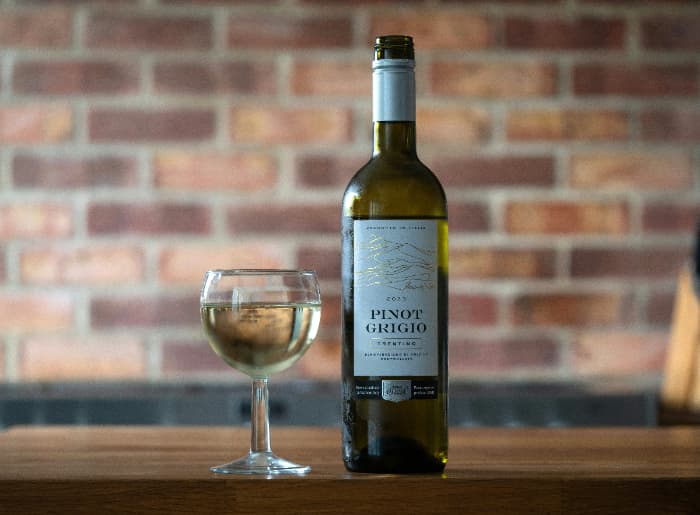
A dry wine feels crisp, with common dry white wines such as Sauvignon Blanc, Chardonnay, and Pinot Grigio. Examples of dry red wines are Shiraz, Pinot Noir, and Cabernet Sauvignon.
During winemaking, yeast consumes grape sugar to create alcohol and carbon dioxide. If the wine is allowed to ferment fully, most of the sugar disappears, creating a ‘dry wine’. However, when the fermentation stops early or if it uses extra-ripe grapes, more sugar remains. This results in a wine that is ‘sweet’.
The level of sweetness does not just influence the sweetness of the wine but also the alcohol level, taste, and even the mouthfeel. As more sugar has been converted to alcohol in dry wines, they generally have a higher alcohol content than the sweet wines. Sweet wines, however, have a smoother, richer, and rounder mouthfeel.
Also Read: 10 Imported Wine Brands Available In India
In this chart below, we’ll understand key differences between dry wine and sweet wine, including factors like residual sugar, alcohol content, and food pairing.
Factor | Dry wine | Sweet wine |
Residual sugar | Low | High |
Alcohol content | Higher (roughly between 11% to 14% alcohol-by-volume or ABV) | Lower (often below 10% ABV) |
Flavor profile | Crisp, tart, and savory | Fruity, sweet, and honey-like |
Yeast activity | Yeast consumes nearly all the sugar | Yeast does not consume all the sugar as the fermentation process is stopped early |
Food pairing | Seafood, salad, grilled meats | Desserts, sharp cheeses, spicy food |
Pairing wine with the right food can instantly elevate your overall experience! Select the wrong kind of food to go with your wine and the wine itself might taste underwhelming.

Dry wines taste well with rich dishes, think of grilled fish, lemon-pepper chicken, chicken tandoori, or even a cheeseboard. The acidity in the dry wines cuts through the fat in these dishes, resulting in a refreshing feel on the palate.
Sweet wines are, as the name suggests, sweeter and bolder. With their fruity, sweet flavors, they can pair well with blue cheese, fruit-based desserts, nuts, creamy desserts, as well as a number of Indian spicy dishes. The sweetness balances spice, cuts through fat, and complements rich, sugary flavors.
Also Read: 10 Imported Wine Brands Available In India
In the end, there is no definite answer! It all boils down to what you enjoy the most. If you prefer a wine that is fresher, has more structure, and is less sweet and high on alcohol content, you’ll like dry wines. If you prefer a wine that is sweeter and fruity with a rounder mouthfeel, you’ll enjoy sweet wines.
Wine is called ‘dry’ because it contains little to no residual sugar after the fermentation process.
Daily consumption of wine is harmful for your health in the long run. We’d advise against it and would instead recommend spacing out your wine consumption.
Merlot, Pinot Noir, and Grenache are some of the smoothest red wines to drink.
.jpg&w=3840&q=100)
.jpg&w=3840&q=100)
.jpg&w=3840&q=100)