


Picture this, you are at a liquor store looking for a bottle to sip after dinner or mix into cocktails. You spot two familiar categories sitting side by side: a regular brandy and a honey brandy. At first glance, they seem almost identical. Once you start reading up and learning more about how both types of brandy work, the difference between the two becomes hard to miss. While both belong to the same spirit family, they offer completely different drinking experiences.
Regular brandy is a classic spirit made by distilling wine or fermented fruit juice, most commonly grapes. It is known to have rich character, oak aging, and a slightly dry finish. Honey Brandy takes that traditional base and blends it with natural honey, creating a smoother, sweeter, and more approachable spirit.
The biggest distinction, as one would expect, comes down to flavor and texture. Regular brandy leans toward deeper notes of oak, spice, dried fruit, and caramel, while honey brandy introduces softer flavors like vanilla, floral honey, and subtle sweetness. For many casual drinkers, honey brandy feels easier to sip and less intense compared to traditional brandy.
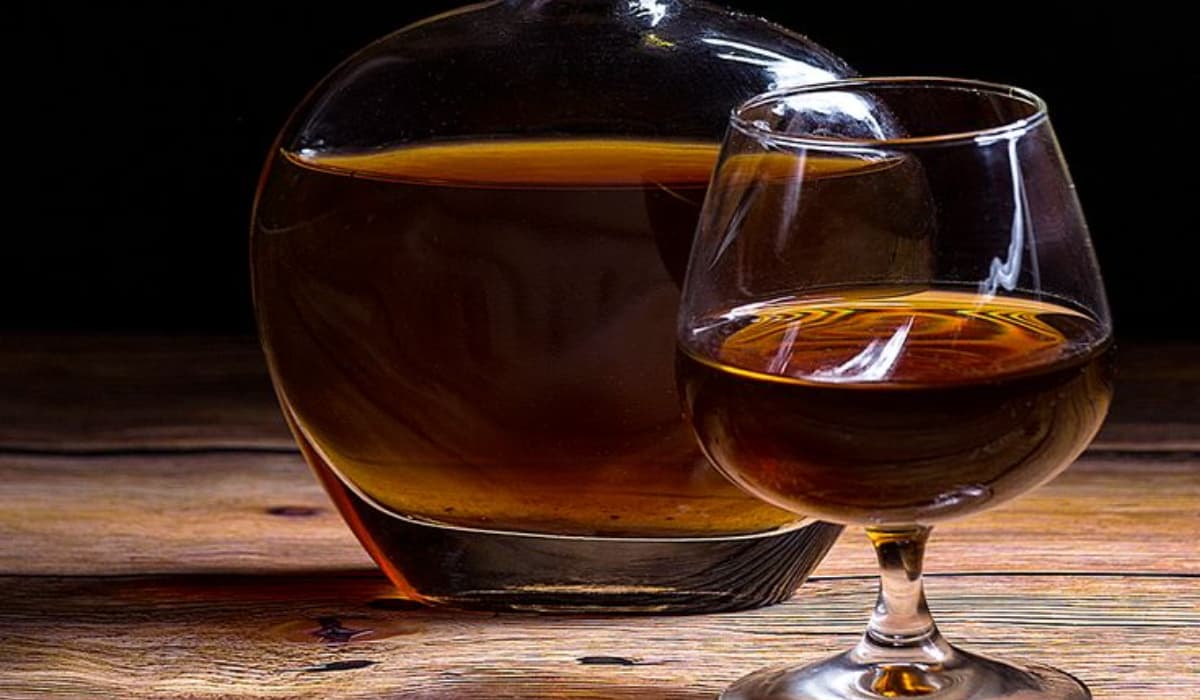
Regular brandy is typically aged in wooden barrels, which gives it complexity and warmth.
Depending on the style and aging process, it can carry notes of raisins, toasted wood, spice, nuts, and dark fruit. It is often enjoyed neat, especially as a slow after-dinner drink. While regular brandy is aged in wooden barrels, which gives it the signature complexity and warmth. Honey Brandy, on the other hand, focuses on smoothness and sweetness. While it still carries the warmth of traditional brandy, the added honey softens the sharper edges and creates a more mellow profile.
Most honey brandies range between 35% and 42.8% ABV, making them similar in strength to regular brandy while tasting noticeably lighter and sweeter.
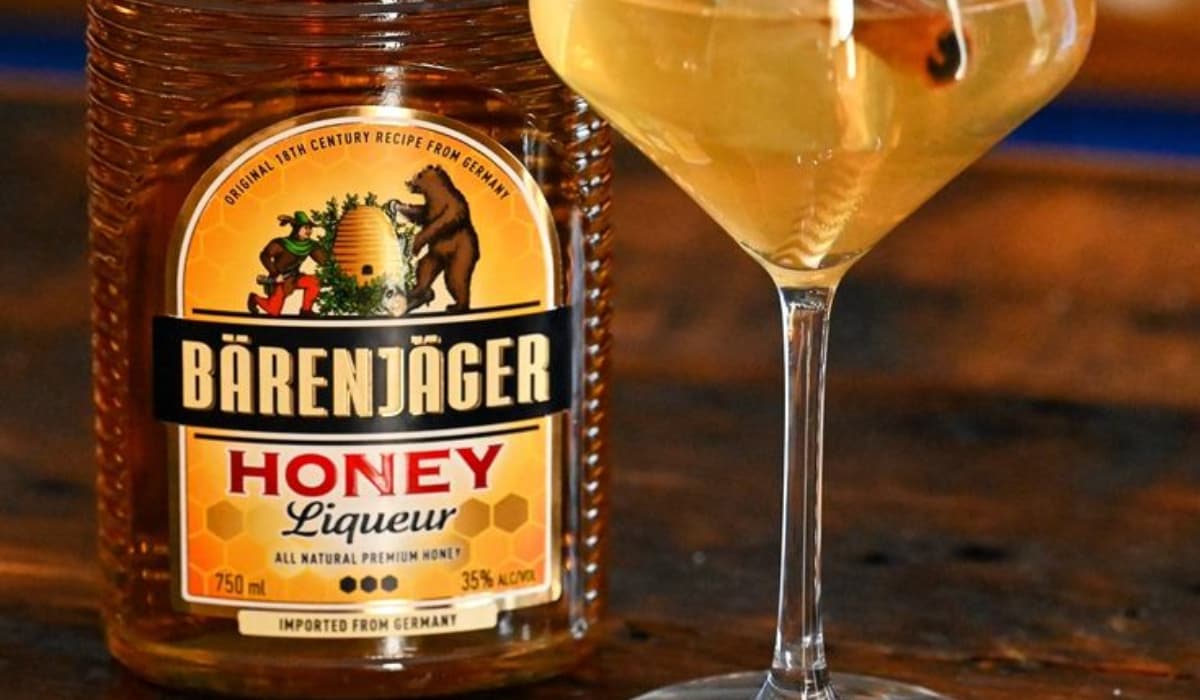
In India, Honey Brandy has developed a massive following through affordable and accessible brands. Honey Bee Premium, produced by Inbrew Beverages Pvt. Ltd is especially popular for its smooth texture and easy-drinking character. These brands are commonly associated with casual social drinking and are widely available across liquor stores in the country.
Internationally, brands like Beehive Honey Brandy and Christian Brothers Honey Brandy offer more refined honey-infused expressions. Across parts of Europe, traditional honey brandies such as Honigbrand and Medenica use pure flower honey to create richer and more premium flavor profiles.
Regular brandy includes globally recognized brandy styles like Cognac, Armagnac, and fruit brandies, which focus heavily on aging, craftsmanship, and complexity rather than sweetness.

Also Read: Brandy vs Cognac: What’s The Difference And Which Is Worth Buying?
Regular brandy is available across a wide price range, from affordable mass-market bottles to premium aged expressions that can become significantly more expensive. Honey Brandy generally sits in the more affordable and approachable segment, especially in India, where brands like Honey Bee Premium, priced at INR 880 for a 750ml bottle, remain extremely popular due to their pricing and smoother flavor profile.
For newer drinkers, honey brandy often feels less intimidating because of its sweeter taste and softer finish. Regular brandy tends to appeal more to those who enjoy traditional spirits with stronger oak and spice-forward characteristics.
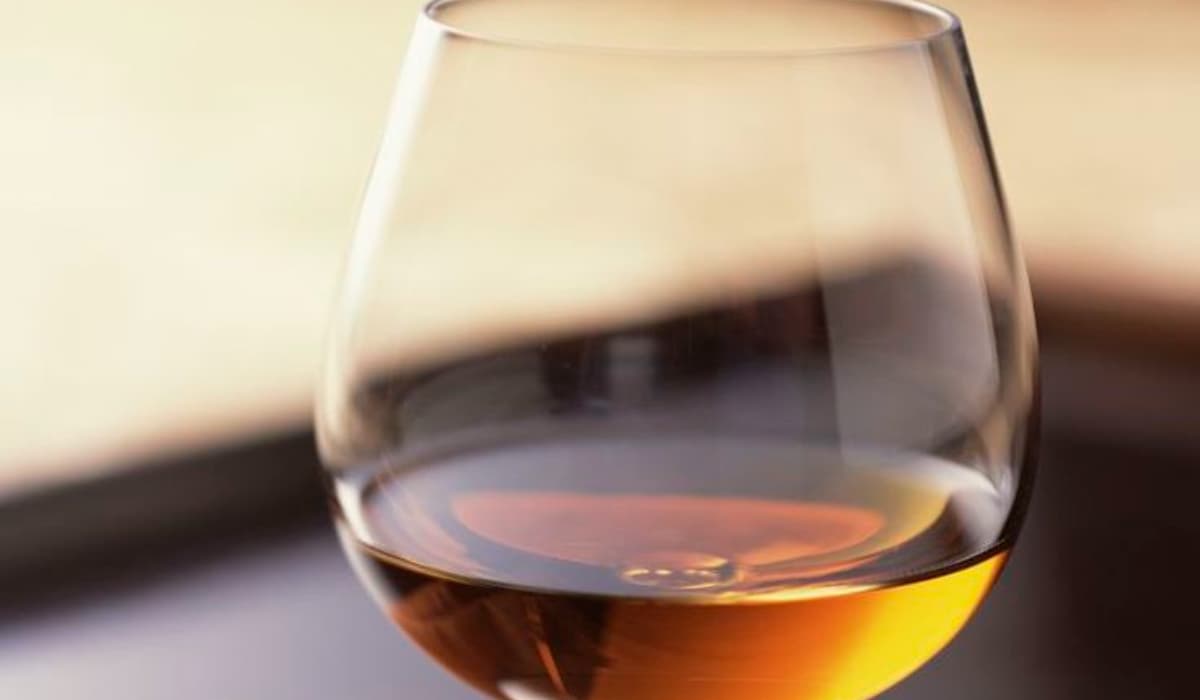
This is where personal preference takes over the decision-making. While regular brandy delivers a richer and more layered experience with stronger notes of wood, fruit, and spice. It feels warmer, drier, and more spirit-forward. Honey Brandy offers a smoother and sweeter taste profile, with flavors of honey, caramel, vanilla, and dried fruit. It works especially well over ice, with hot tea, ginger ale, or even in dessert-style cocktails. Its sweeter notes also pair well with desserts like cheesecake, fruit tarts, and caramel-based dishes.
Also Read: 7 Best Brandy Cocktails You Don't Want To Miss
Choosing between honey brandy and regular brandy ultimately comes down to the kind of drinking experience you prefer. Regular brandy remains a timeless option for those who enjoy depth, oak aging, and a more traditional spirit profile. It is best suited for slow sipping and appreciating layered flavors. Honey Brandy, in contrast, offers a smoother, sweeter, and more approachable experience. Its versatility, mellow character, and easy-drinking nature make it appealing to casual drinkers and those looking for a softer introduction to brandy.
.jpg&w=3840&q=100)
.jpg&w=3840&q=100)
.jpg&w=3840&q=100)