

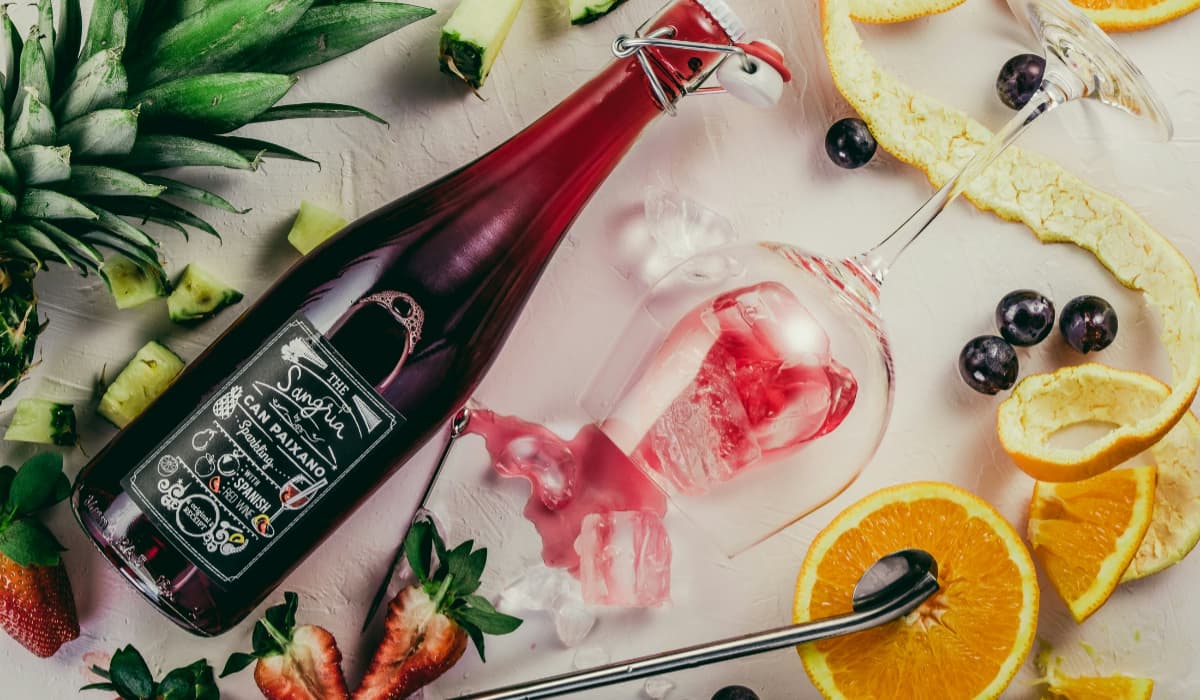
From bachelorette parties to tapas bars, sangria is a beloved wine cocktail enjoyed by many wine enthusiasts. While this Spanish drink is popular, it is often misunderstood and considered complicated. That's why we're sharing five important things you should know about sangria - covering what it is, how it is made, and some interesting facts you might not be aware of. Without further ado, let’s explore these five key points about sangria!
Sangria, to begin with, is a mixed alcoholic drink made using red or white wine and chopped fruits. Its origin traces back to the 18th century, where ‘sangria’ means ‘bloodletting’ in Spanish and in Portuguese.
The traditional cocktail has its historical roots in the Middle Ages (5th to 15th centuries) in the Kingdom of Leon. Initially crafted as a concoction using wine, oranges, lemons, sugar, and spices, the drink gained popularity, particularly during Holy Week. The Holy Week commemorates the seven days prior to the day of Easter.
In the Caribbean, sangaree served as the predecessor to modern-day Sangria in the early 19th century. Originating in the Caribbean, it was introduced to mainland America where it largely disappeared by the early 20th century. However, the Sangria saw a revival in the United States in the late 1940s thanks to Hispanic Americans and Spanish restaurants.
A sangria tastes delicious when made using the traditional recipe, however, if you’re in the mood to add some extra pizzazz to your drink, you must experiment with a few ingredients.
A traditional sangria is made by combining red or white wine with an assortment of chopped fruits like strawberries, apples, pears, blueberries, and more. Fruit juice is also sometimes added into the drink. However, there are a number of other ingredients you can add to your usual sangria to make it taste even more delicious.
Also Read: Sip Outside The Box: 7 Uniquely Flavored Wines You Must Try!
If you order a jug in Spain, you’ll most likely get the classic red wine base, chopped oranges and lemons, a touch of sugar, and maybe a splash of brandy and orange juice. Traditional Spanish Sangria is restrained, rustic, and balanced. However, in India, it packs its bags and goes tropical.
Here, it often arrives with a variety of fruits like lychees, pomegranate pearls, apples, pineapples, along with a splash of orange soda. The sangria you get here is often brighter, punchier, and more experimental.
It’s not mandatory that you use high-end, premium wine to make sangria. Any good quality red or white wine can do the job.
Here are the best suitable red wine types to make a classic sangria:
If you’re making a white sangria, we’d recommend using these kinds of white wine:
Also Read: Best Time to Drink Red Wine for Health Benefits
Sangria is a cocktail that doesn’t require elaborate procedures, a long list of ingredients, or bartending skills. Simply chop fruits and add them to the wine with a few mixers and sweeteners. In this article, we’ve shared with you 5 things to know about making sangria – so now go ahead and make use of this useful information and tips!
.jpg&w=3840&q=100)
.jpg&w=3840&q=100)
.jpg&w=3840&q=100)