
Gone are the days when recreational alcohol consumption involved rapid shots of tequila, bottomless martinis, and overflowing champagne fountains. Times have changed and people have become more conscious of their drinking habits. ‘Slow sipping’ or mindful consumption of alcohol is the hottest trend where individuals are prioritizing quality over quantity drinking. What is this trend and why is it on the rise? Here’s all that you need to know!
Slow sipping or mindful drinking, at its core, is about making intentional and conscious choices about one’s alcohol consumption.
This means making an informed, conscious choice of choosing what’s the best for you. For some, that can mean reducing their alcohol intake and for others it can mean abstaining from alcohol altogether. The rising trend also encourages people to try out alternatives to alcoholic drinks that contain either minimal or no alcohol content at all.
The trend is rising especially among Gen Z and a significant portion of the millennial population. They are prioritizing conscious alcohol consumption and some are completely giving up on it.
The rise in ‘slow sipping’ can be linked to the conscious choices modern drinkers are drinking – mainly by exploring alternatives to traditional alcoholic drinks.
This has given rise to non-alcoholic and low alcohol-by-volume (ABV) drinks, with the market rapidly expanding in India.
According to IMARC, a market research company, the Indian non-alcoholic beverage market size was valued at USD 34.71 billion in 2025. It is projected to reach USD 69.04 billion by 2034, with a compound annual growth rate of 7.94% from 2026-2034.
Rising urbanization, changing lifestyle patterns, and change in consumer preferences are being linked to the growth in the Indian non-alcoholic beverage market. Indians are increasingly prioritizing beverages that are low in alcohol or contain no alcohol at all.
Additionally, they are choosing drinks that provide functional health benefits. They are opting for drinks that are made using healthier ingredients, contain essential nutrients like vitamins, probiotics, etc, as well as made with low sugar and plant based and clean formulations.
Also Read: Is Wine Healthier Than Whiskey? Here’s What You Need To Know
There was a time when socializing or the definition of ‘having fun’ often revolved around emptying shot glasses and savoring cocktails like there’s no tomorrow. The party culture of the 2000s and 2010s was heavily centered around consuming alcoholic beverages as a means of relaxation and recreation. However, with more and more awareness about the effects of alcohol on the internet, people are ‘decentering’ alcohol from social experiences.
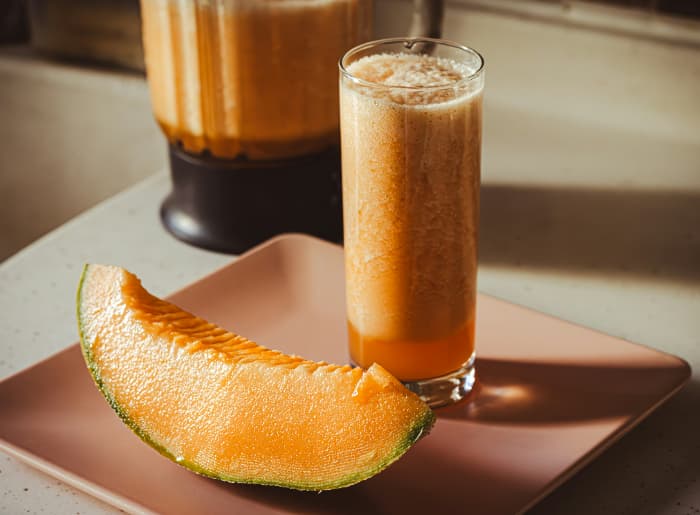
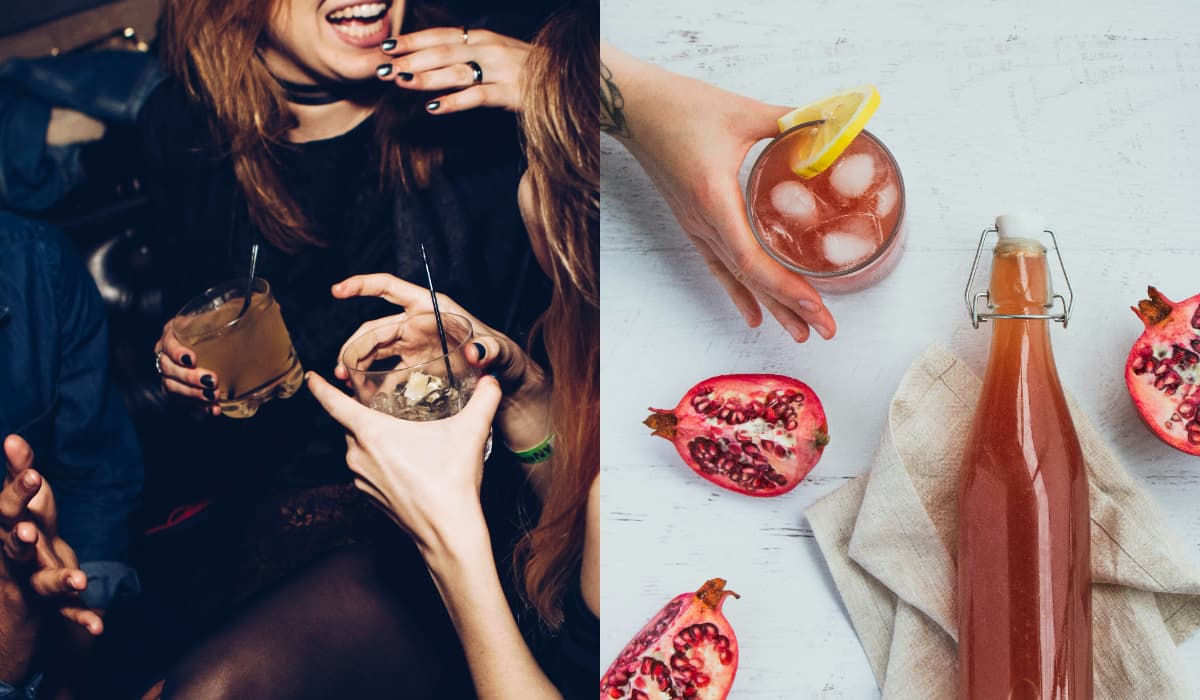
Today, socializing is no longer focused on drinking by default. Yes, it does involve alcohol consumption, but that too focuses more on quality than quantity. Many youngsters are experimenting with drinks like kombucha, cold brews, low-ABV cocktails, and zero-proof drinks. Instead of ordering multiple rounds of drinks quickly, consumers are more likely to savour one or two thoughtfully crafted beverages throughout the evening. Bars and restaurants are also expanding their menus to accommodate low-ABV and zero-proof spirits.
At the same time, movements like observing ‘dry’ months, ‘sober curious’ movement, and zero-alcohol challenges on social media have gained worldwide attention. These initiatives encourage people to rethink their alcohol consumption, explore alternatives, and ultimately create an inclusive drinking culture.
Also Read: Sober Curious Benefits: How Taking A Break From Alcohol Can Benefit You
The rise of slow sipping, i.e. quality over quantity drinking, is marking a broader cultural shift. Rather than eliminating alcohol completely, individuals are becoming more experimental, intentional, and mindful of what they consume. With more focus on ‘quality’ than quantity, do you think the ‘slow sipping’ culture is here to stay or just a fleeting trend?