

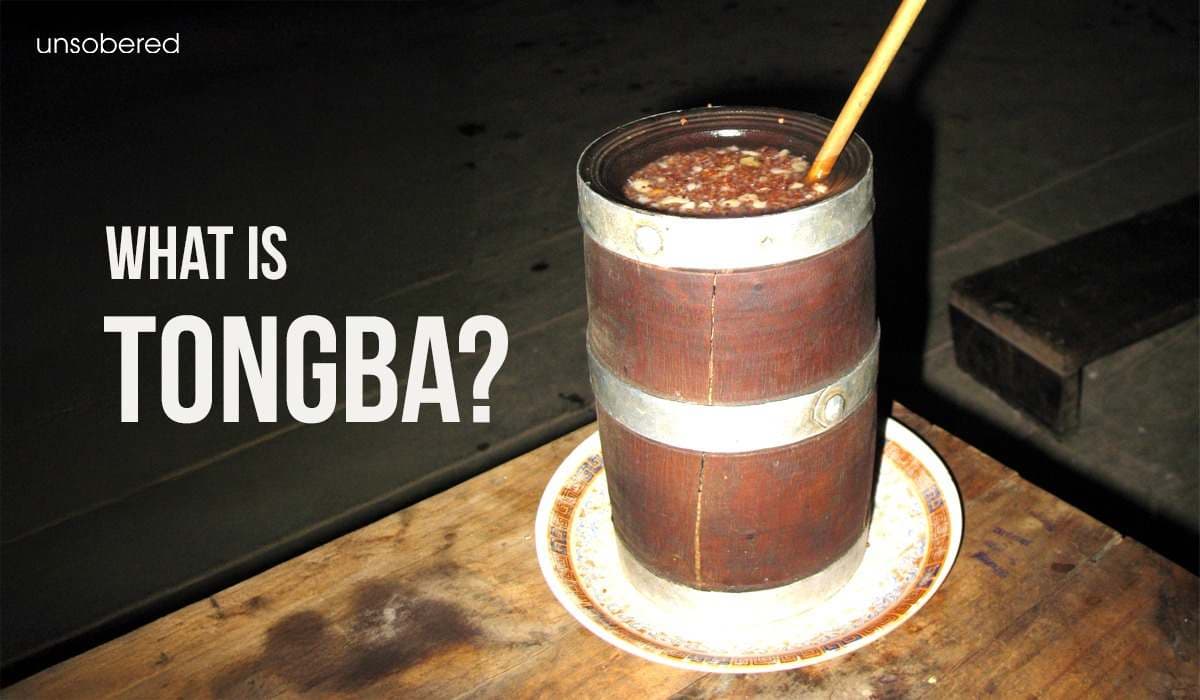
In the mist-laden mountains of the Eastern Himalayas, few experiences are as quintessentially local as sitting by a fire with a tongba. Often referred to as "Tibetan Hot Beer," tongba in Sikkim is far more than just an alcoholic beverage; it is a cultural cornerstone, a gesture of hospitality, and a testament to the ancient fermentation traditions of the Limbu people.
Technically, "Tongba" refers to the traditional wooden or bamboo vessel used to serve the drink, while the fermented millet itself is known as mandokpenaa thee or jaand. However, over time, the name of the container has become synonymous with the drink itself.
The tongba drink is unique because it is not served as a pre-liquid brew. Instead, it consists of whole-grain millets that have been cooked and fermented. When you are ready to drink, hot water is poured over these grains, which pulls out the alcohol and flavor to create a warm, milky, and slightly tart beverage.
The process of making tongba in Sikkim is a labor of love that relies on indigenous knowledge passed down through generations.
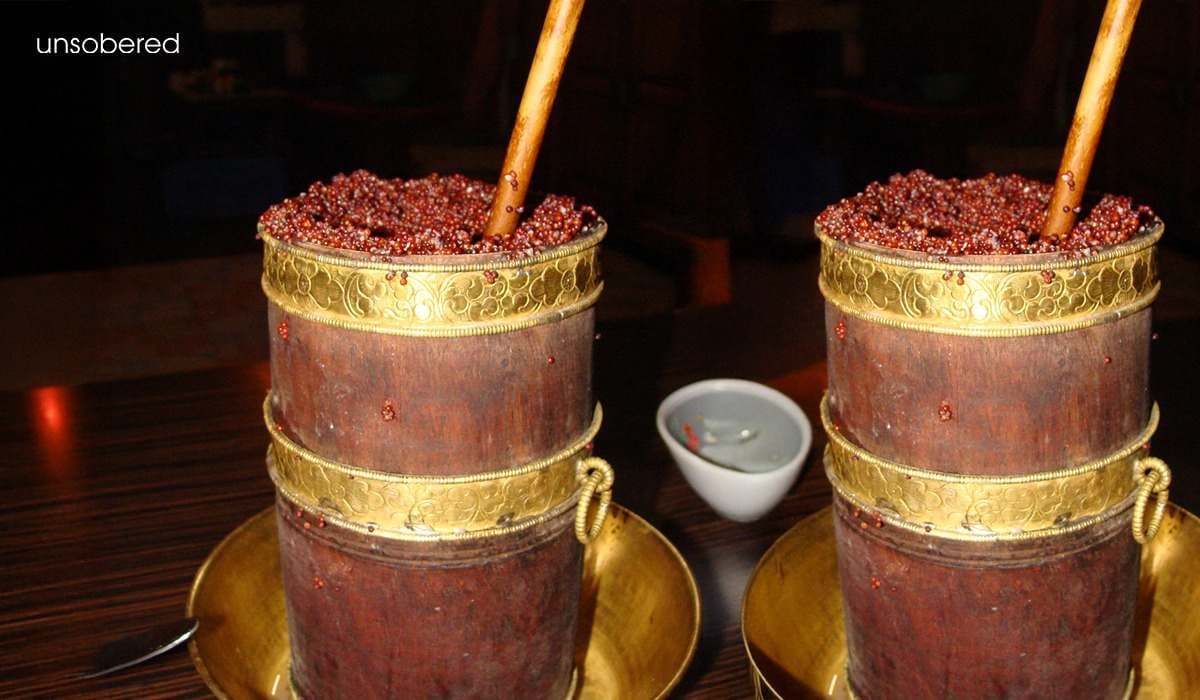
Drinking tongba is a slow, communal ritual. It is served in a tall, cylindrical vessel (the dhungro) and consumed through a thin bamboo straw called a pipsing or makhay.
Compared to commercial spirits, tongba alcohol content is relatively low, typically ranging between 2% and 5% ABV.
However, its effects are deceptive. Because it is consumed hot and over a long period, it provides a gentle, "chilled" sensation that locals often describe as "floating on a cloud." The flavor is mild, earthy, and slightly bready, with hints of mushroom and a tangy finish similar to a light cider or Japanese sake.
In the social fabric of Sikkim and the surrounding hills of Darjeeling and Nepal, tongba is a symbol of respect.
Tongba is the ultimate "slow drink." It represents the warmth of Himalayan hospitality and a sustainable way of life where the land provides everything – from the millet in the cup to the bamboo of the straw. Whether you are a backpacker looking for an authentic taste of the mountains or a culture enthusiast, sharing a tongba in Sikkim is an unforgettable sensory journey into the heart of the Himalayas.
.jpg&w=3840&q=100)
.jpg&w=3840&q=100)