

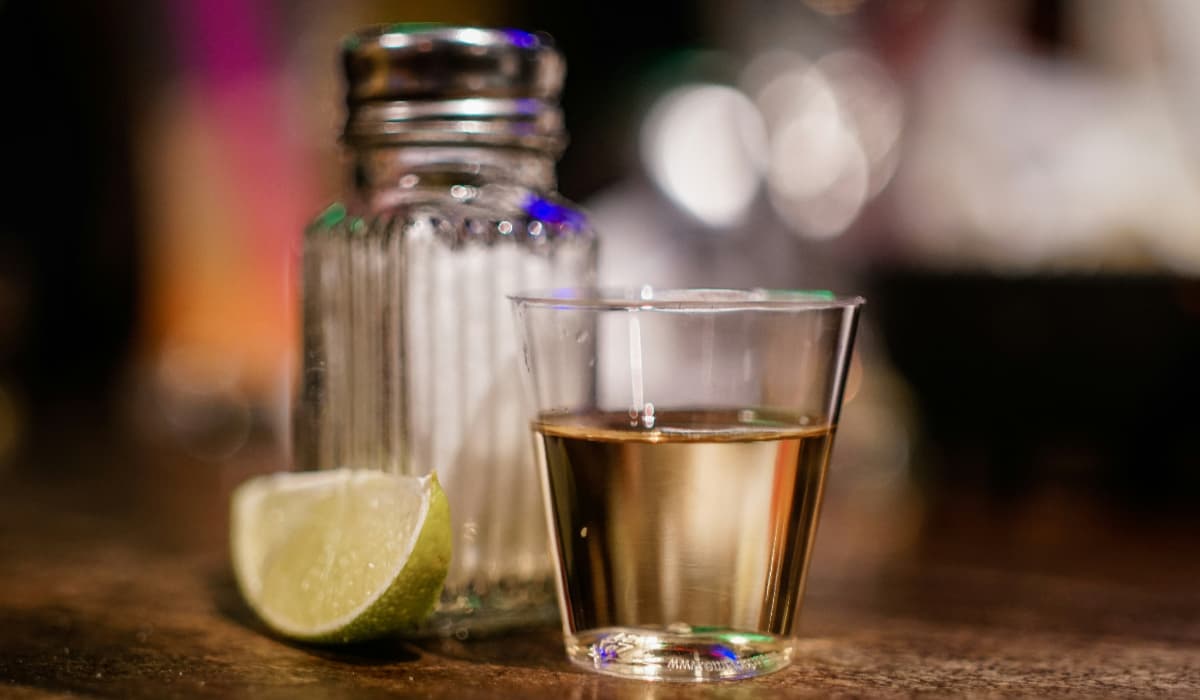
Tequila is often thought of as one spirit, however, there are different types of tequila that differ based on how long they’ve been aged. Tequila variants have certain differences as well as a few similarities. Let’s take a look at all the different tequila types, food pairings, and essential tips to take note of.
Tequila is a distilled spirit made from the agave mainly grown in Mexico. The spirit is made from the cooked, fermented, and distilled juice of the agave. To make tequila, note that only Agave Tequilana Weber Azul can be used by law.
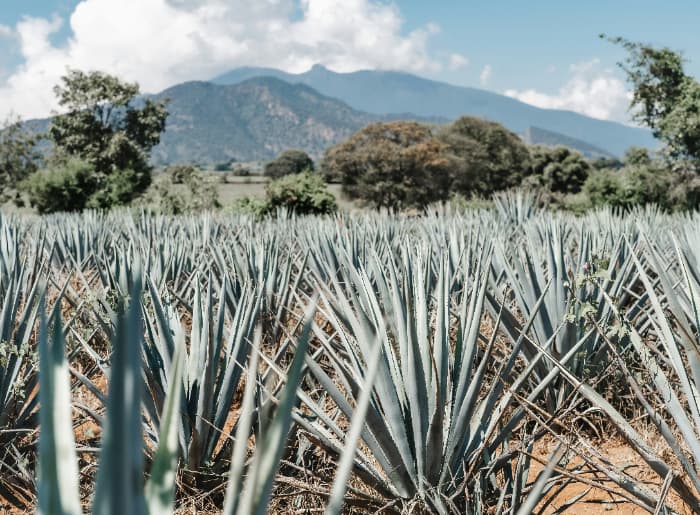
Tequila has a Geographical Indication (GI) Tag, which grants it legal protection and recognition. This means that the term "tequila" can only be used for products made in specific regions of Mexico. If tequila is produced anywhere else in the world, it cannot be called or sold as "tequila," as doing so would violate its GI tag rights.
Blanco
Pick up a bottle of blanco tequila and you’ll notice that it has a fresh, crisp feel that feels ‘untouched’. Well, blanco is either unaged or minimally aged, no more than 12 months. This kind of tequila has no color and primarily has notes of citrus, grass, and pepper.
Reposado
Literally translating to “rested”, this kind of tequila sits in a barrel for 2 to 12 months. It is a predominant style of tequila. It contains a more prominent flavor of blue agave than the blanco along with minor notes from the oak barrel it is aged in.
Añejo
While reposado is aged for no more than a year, añejo is aged for one to three years in oak barrels. Preferably ex-American whiskey and French oak barrels are used for aging añejo. Which is why this variety of tequila contains a significant flavor of vanilla and brown sugar that are often associated with bourbon. Blanco and reposado are usually served both neat and in cocktails, but to enjoy the flavors of an añejo tequila, it is best recommended to sip it neat.
Extra añejo
An extra añejo, as the name suggests, is a little more ‘extra’ than the añejo. It is aged for a minimum of three years and may rest in more than one type of barrel before being bottled. As it is ‘extra-aged’, it spends more time in contact with wood than any other kind of tequila. Naturally, it has the strongest aromas as well as the richest color among other kinds of tequila.
Cristalino
This is a type of tequila that is newly growing in popularity. A cristalino tequila is made from añejo or extra añejo. It is filtered – often with activated carbon – to remove its amber color. However, while doing so, the complex flavor is not lost. This makes cristalino a unique kind of tequila that looks transparent but contains the crisp, mature, and layered flavor profile of an añejo or extra añejo.
Also Read: Top 10 Best Tequila Under INR 5000 (2026 List And Buying Guide)
While pairing tequila, be it a reposado or an extra añejo, it is important to match its intensity with the food flavor. This means that light tequilas go well with lighter foods while bolder flavors go well with richer dishes.
To make things even more interesting, you can pair complementary flavors. For example, citrus notes pair well with sweet and smoky flavors.
Also Read: Blanco vs Reposado Tequila: What Is The Difference
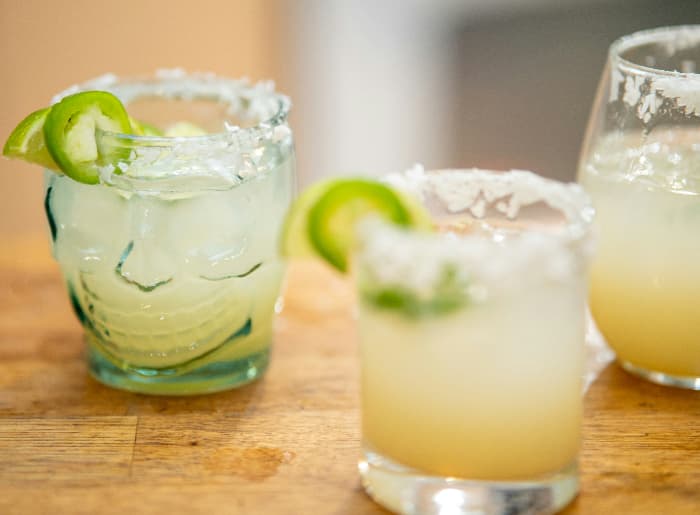
Tequila is layered and complex, packed with flavors and textures. It is more than just a shot – with different types of tequila there’s so much room for experimentation and exploration. This guide will definitely help you understand tequila a little better!
.jpg&w=3840&q=100)
.jpg&w=3840&q=100)
.jpg&w=3840&q=100)