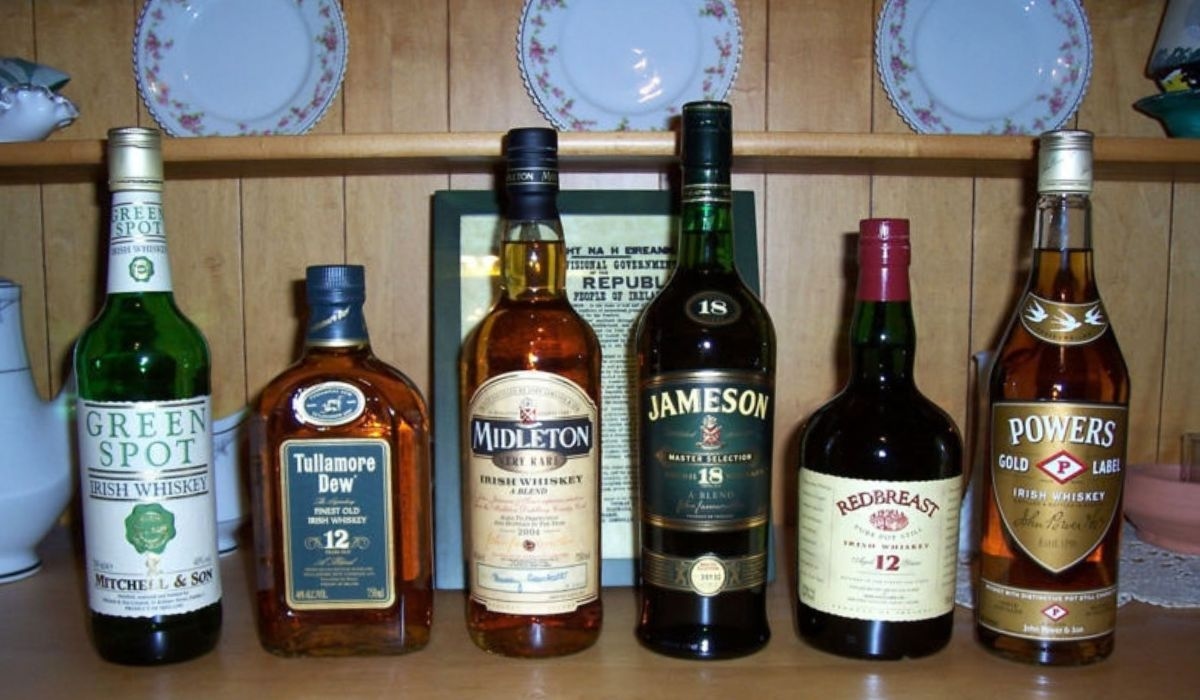

As West Bengal gears up for the high-stakes 2026 Assembly Elections, a different kind of sobriety has descended upon the state. Beyond the political rallies and security deployments, the hospitality and liquor industries are bracing for a massive financial blow. The Election Commission of India (ECI) has mandated a total of nine ‘dry days’ across various phases of the election, a move aimed at ensuring a "free and fair" poll, but one that leaves bars, restaurants, and retailers staring at a projected revenue loss of over INR 1,400 crore.
The liquor ban in West Bengal is not a single continuous stretch but is synchronized with the staggered polling schedule. Under Section 135C of the Representation of the People Act, 1951, the sale and distribution of alcohol are prohibited 48 hours prior to the close of polling.
During these periods, all liquor shops, hotel bars, private clubs, and even star-rated establishments are strictly prohibited from serving or selling spirits.
The excise department is one of West Bengal's primary revenue earners. The forced closure of the "alcobev" (alcohol and beverage) sector during peak election season is expected to cause a massive dent in the state exchequer.
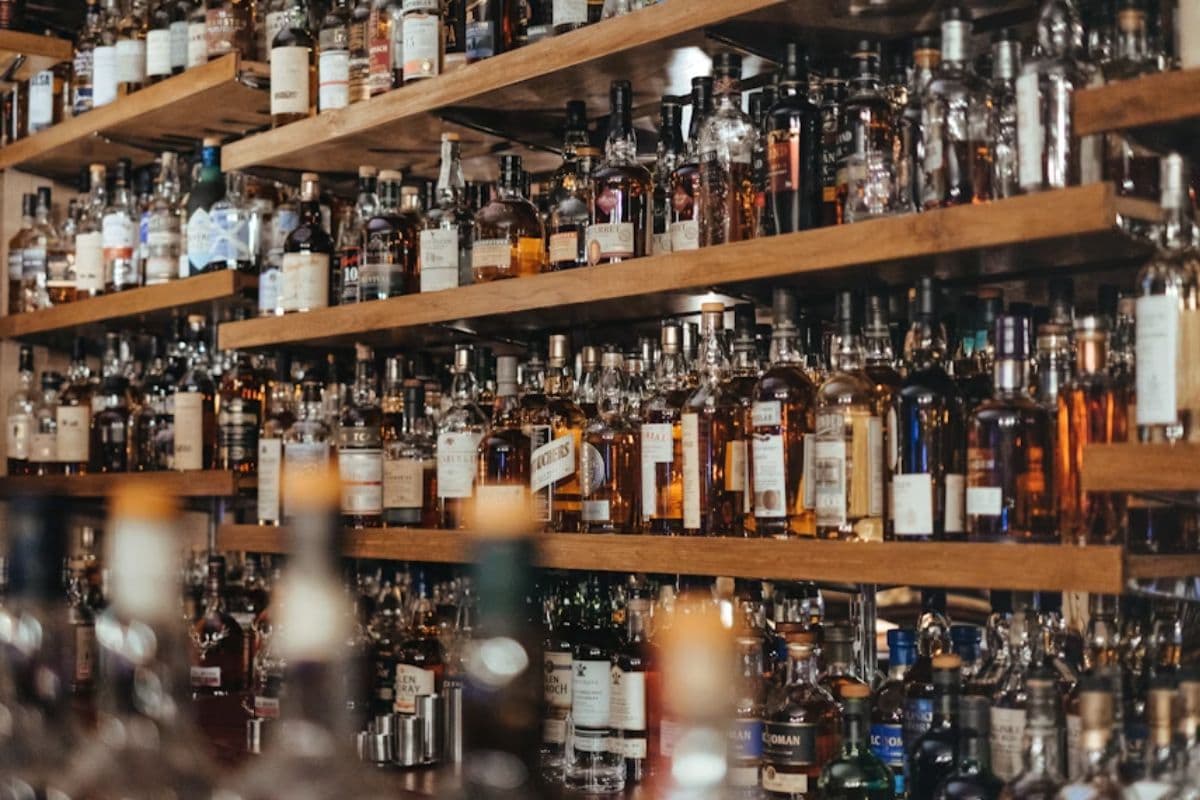
The rationale behind the extended ban is the prevention of "liquor-for-votes" schemes. Historically, alcohol has been used as a tool to influence marginalized voters or incite poll-related violence.
The ECI has already reported record-breaking seizures in West Bengal. Preliminary reports indicate that cash, liquor, and freebies worth hundreds of crores have already been confiscated by flying squads. By enforcing strict dry days, authorities hope to:
The ban doesn't just affect locals; it hits West Bengal’s burgeoning tourism industry. In hotspots like Darjeeling and Kalimpong, travelers often find themselves caught off guard by the restrictions. Major social events, weddings, and corporate gatherings scheduled around late April and early May have had to be rescheduled or modified to comply with the "no-alcohol" mandate, further dampening the service economy.
The nine-day liquor ban in West Bengal highlights the perennial tension between electoral integrity and economic interests. While the Election Commission views the "dry period" as a non-negotiable pillar of a peaceful democracy, the INR 1,400 crore price tag raises questions about the efficiency of such blanket bans in the digital age.
As the state moves toward the final phases of polling, the hospitality industry remains "high and dry," hoping for a swift return to normalcy after the May 4 counting day. For now, the only thing flowing in Bengal is the political rhetoric, as the spirits remain firmly behind locked doors.