

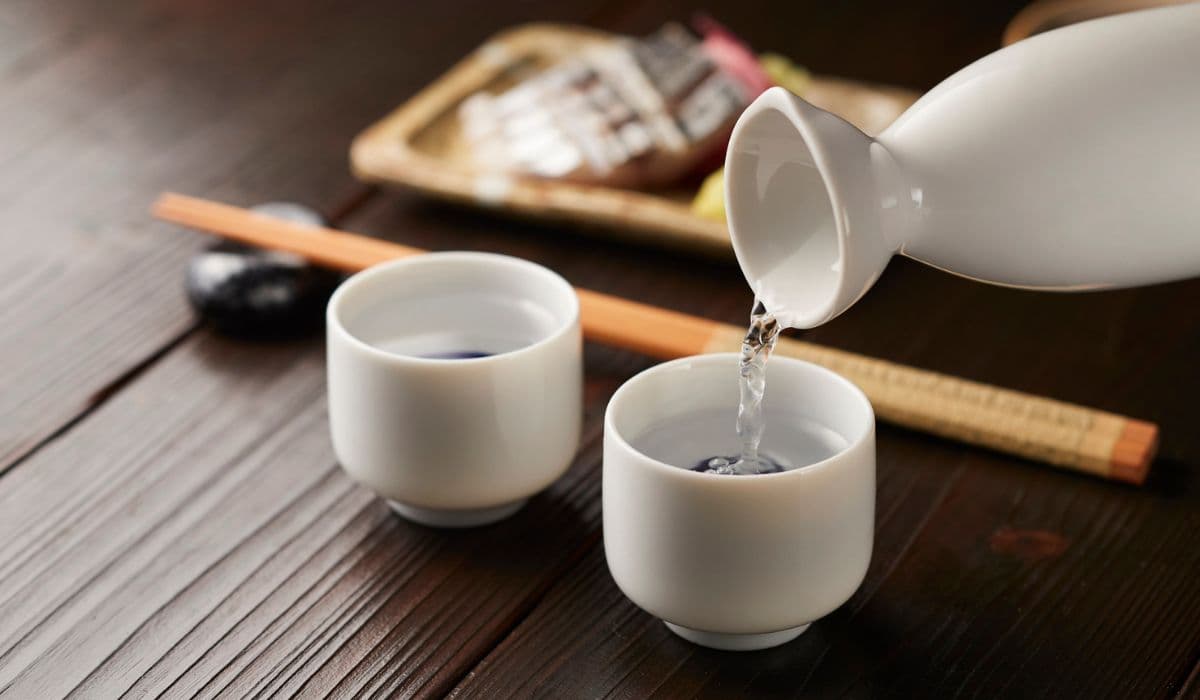
Tokyo is the epicenter of Japanese sake culture. It has a plethora of rare, small-batch brews, also known as nihonshu, from all 47 prefectures that are sold in its historic department stores and specialty bottle shops. If you’re on the hunt for good sake bottles in Tokyo, you might need some guidance in navigating labels written in kanji, which can seem intimidating for travelers at first. Therefore, unsobered has crafted this guide to ensure that you are equipped to pick out the bottles that best suit your preferences.
Understanding key classifications like Junmai, Ginjo, and Daiginjo makes it easier to understand which sake bottle is best suited for you.
Junmai: This is pure rice sake that is made with only rice, water, yeast, and Koji. It has a fuller body with rich umami and cereal notes. It is also, on occasion, used as a prefix to Ginjo and Daiginjo.
Ginjo: This is sake made with rice that has been polished so that 40 percent of the grain gets milled away and only 60 percent remains. It has a delicate fruity aroma with notes of apple, melon, or banana.
Daiginjo: This is the highest standard grade of sake wherein 50 percent of the grain is milled away, leaving behind the other 50 percent. It has an intensely complex, elegant, and refined profile.
Also Read: What Is Sake? A Complete Guide
.jpg&w=1920&q=75)
Dassai 23 Junmai Daiginjo is polished down to 23 percent of the rice grain, giving it a premium feel. With delicate notes of white peach, melon, and honeysuckle, it is widely available in Tokyo’s duty-free shops and is known the world over. It also makes for an iconic luxury gift.
Best For: Gifting or celebrating a special occasion.
A classic Niigata tanrei karakuchi, meaning a light, dry, and crisp sake from the Niigata region, Kubota Manju Junmai has subtle floral aromas and an exceptionally clean finish. Furthermore, it’s a legendary benchmark for dry Japanese sake that pairs effortlessly with sushi and sashimi.
Best For: Fans of crisp, clean, dry flavor profiles.
Hakkaisan Tokubetsu has an outstanding quality-to-price ratio. The flavor profile of this sake is smooth, mellow, and lightly savory with undertones of steamed rice and crisp apple. It is also widely available in the supermarkets and convenience stores of Tokyo.
Best For: Everyday drinking, casual meals, or serving warm (okan).
.jpg&w=1920&q=75)
A cult favorite with many, this sake represents modern, low-intervention craft sake-making. Aramasa is muroka, meaning non-charcoal filtered, nama, meaning unpasteurized, and naturally sparkling. It has a vibrant and acidic flavor profile with notes of citrus, green apple, and yogurt.
Best For: Natural wine lovers and craft drink enthusiasts
Note: Keep this sake refrigerated.
Sawanoi Junmai is an authentic, Tokyo-brewed sake with citrus notes and the minerality of crisp mountain spring water. It is brewed by Ozawa Brewery in the mountainous region of Okutama in Western Tokyo. It makes for a unique local souvenir.
Best For: Travelers wanting a true Tokyo-origin keepsake.
If you find a bottle of Juyondai Honmaru, consider yourself lucky. It is one of the most sought-after, ultra-rare boutique sakes. The flavor profile is rich, aromatic, and lusciously fruity. The sake even has notes of juicy velvet plum and tropical fruit.
Best For: Serious collectors and high-end sake hunters looking in specialized Tokyo bottle shops.
This particular sake is an excellent iteration of southern Kyushu sake brewing. It is a full-bodied sake with a flavor profile that is at once bold, umami, rich, and hearty. With a long finish, this sake is also unfiltered, unpasteurized, and undiluted, with notes of melon.
Best For: Pairing with rich, grilled meats and izakaya dishes.
Also Read: How To Taste Sake Like A Sommelier: The Ultimate Beginner’s Guide
So, save this unsobered guide for the next time you visit Tokyo and are perplexed about which sake to bring back. Whether you choose a hyper-local mountain brew or a world-renowned luxury bottle, Tokyo offers a wide range of sakes. Make sure you visit a Tokyo depachika or specialty shop to sample before bringing a bottle home.
.jpg&w=3840&q=100)
.jpg&w=3840&q=100)
.jpg&w=3840&q=100)