

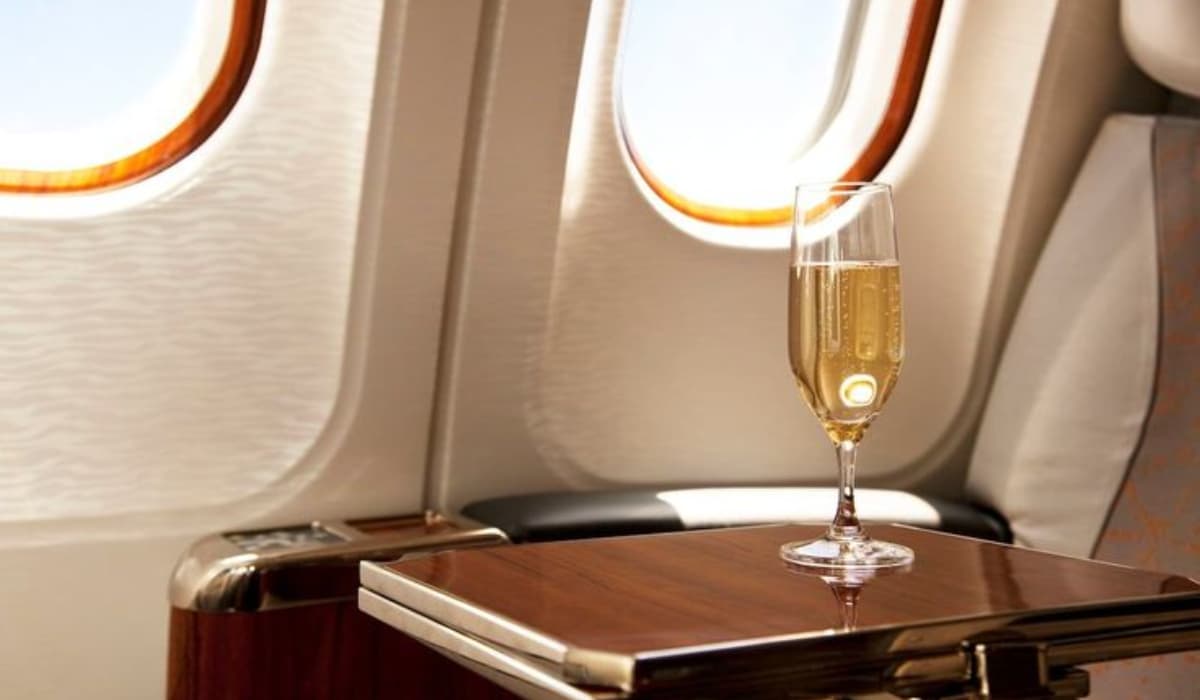
The question is simple: Can you carry alcohol on flights? The answer is yes, you can carry alcohol on domestic flights in India, but only under specific conditions. According to Directorate General of Civil Aviation(DGCA) guidelines, passengers are allowed to carry up to five litres of alcohol in checked baggage, provided the alcohol content falls between 24% and 70% Alcohol-by-Volume (ABV). Anything stronger than 70% ABV is completely prohibited because it is considered a fire hazard.
All bottles must remain sealed, unopened and packed in the original retail packaging. Open or partially consumed bottles are generally not allowed. Most travellers run into trouble not because of the quantity, but because of poor packaging or confusion around airline-specific cabin baggage policies.
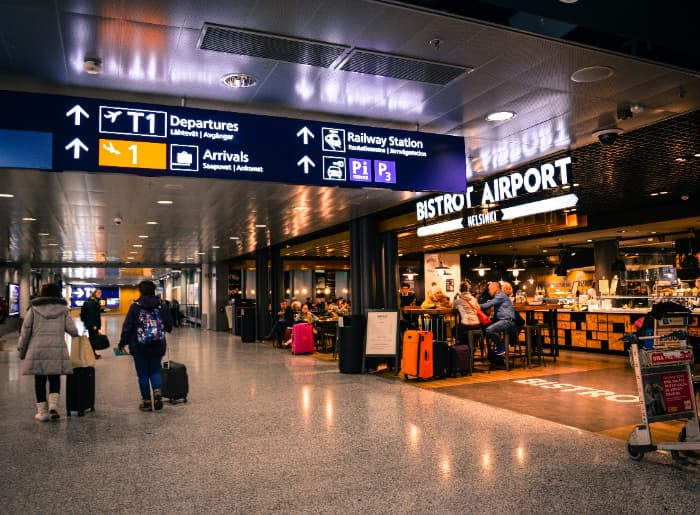
While DGCA broadly discourages passengers from carrying alcohol in hand luggage on domestic flights, some airlines make exceptions for duty-free or airport purchases.
Air India generally does not allow alcohol in cabin baggage, while airlines like IndiGo and Akasa Air may permit up to one litre if the bottle is purchased after security screening and remains sealed in its original packaging. SpiceJet allows duty-free alcohol onboard if it is packed in tamper-proof bags.
The important distinction is that carrying alcohol does not mean you can consume it during the flight. Personal alcohol consumption onboard is prohibited across Indian airlines, regardless of where the bottle was purchased.
For most standard spirits like whisky, vodka, rum, gin, or wine, the practical limit on domestic Indian flights is five litres per adult passenger in checked baggage. Drinks below 24% ABV, such as beer, wine, and some ciders, are often treated more leniently and may not face the same strict quantity limitations under airline baggage rules.
However, even if aviation rules permit transport, state-specific alcohol laws still apply after landing. States like Gujarat and Bihar continue to maintain strict alcohol regulations, which can create legal issues even if airport security clears your baggage.
.webp&w=1920&q=75)
Drinking your own alcohol onboard is strictly prohibited on Indian flights. Only alcohol served directly by cabin crew can legally be consumed during the journey. Passengers drinking personal alcohol can face warnings, confiscation of bottles, or even more serious penalties if the behaviour becomes disruptive. Airlines treat onboard alcohol consumption as a safety issue, which is why cabin baggage rules remain stricter than checked baggage regulations. This rule is not only applicable to domestic flights but also to international flights.
Bottles purchased after airport security are usually packed in tamper-evident security bags, commonly known as STEBs. These can often be carried onboard, depending on airline policies and transit rules. Problems usually arise during connecting flights, especially international connections, where passengers may have to clear security again. Once the sealed packaging is broken, airport authorities may treat the bottle like any other liquid and confiscate it if it exceeds liquid restrictions.
For international travel, customs allowances and destination country laws also become important. India’s aviation rules may permit transport, but the arrival country could still apply separate quantity limits or taxes.
Bottles should ideally remain in their original packaging or be wrapped carefully using bubble wrap, clothing, or protective sleeves to prevent leaks and breakage. It is also advised against carrying carbonated alcoholic beverages like champagne or sparkling wine in checked baggage because pressure changes during flights can increase the risk of leakage or damage.
DGCA rules, airline-specific policies, customs limits, and state alcohol laws all operate simultaneously, and they do not always align perfectly. If one airline may allow limited cabin baggage alcohol, while another completely prohibits it. Similarly, airport security may clear a bottle that later becomes an issue under local state liquor laws after landing. That overlap is what often catches travellers off guard. The safest approach is to keep alcohol in checked baggage, stay within the five-litre limit, use sealed retail packaging, and always check destination state laws before travelling.
Domestic Indian flights generally allow passengers to carry sealed alcohol bottles in checked baggage, with a five-litre limit for most spirits. Cabin baggage rules are far stricter and vary between airlines.
The most important thing to remember is that carrying alcohol and consuming alcohol are treated very differently. You may be allowed to transport it, but drinking your own liquor during the flight remains prohibited almost everywhere.
.jpg&w=3840&q=100)
.jpg&w=3840&q=100)
.jpg&w=3840&q=100)