
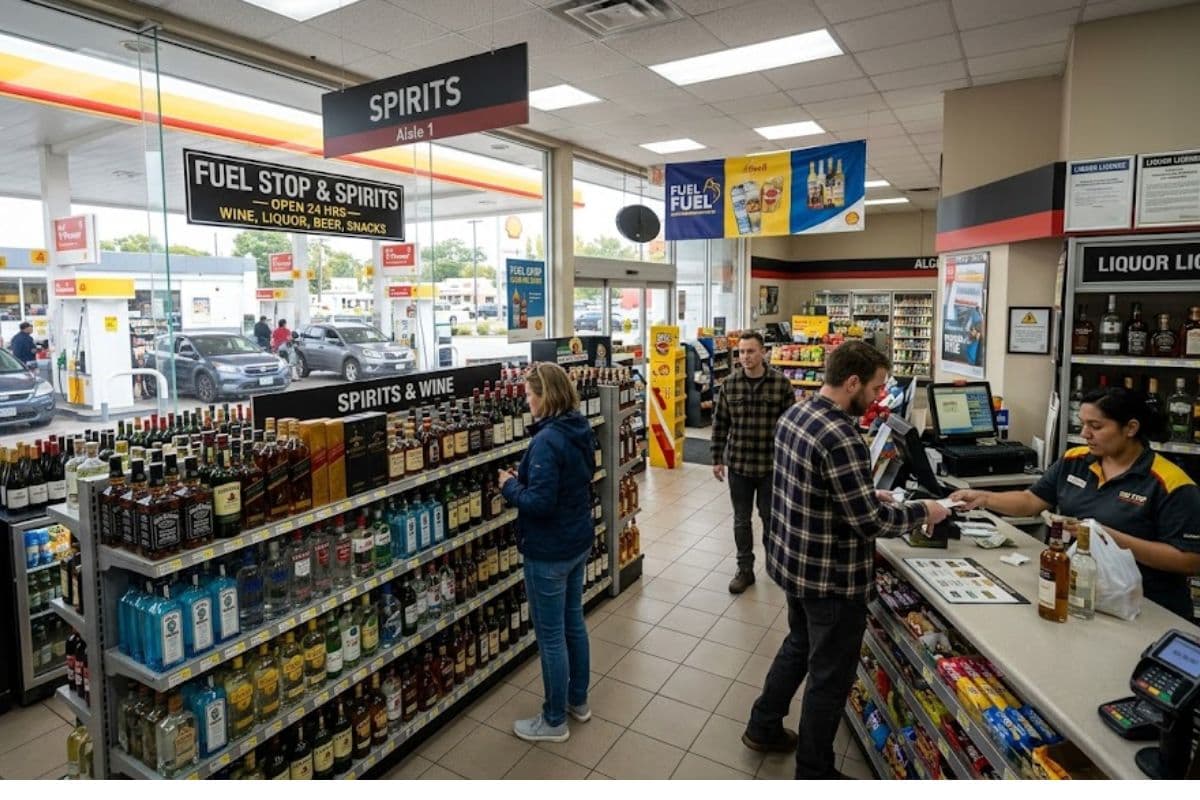
Gone are the days when you visited liquor stores to buy alcohol. Under the new excise policy for 2026-27 by the Chandigarh Administration, liquor sales in the city will move beyond traditional outlets. This means that the sale of alcohol will take place even at petrol pumps, departmental stores, local markets, shopping markets, etc. Here’s everything you must know about this.
The Chandigarh administration approved a new excise policy, which has led to alcohol sales moving to shopping markets, local markets, departmental stores, petrol pumps, and similar spaces.
The Excise Policy 2026-27 of Chandigarh has introduced some changes. These changes aim to improve revenue collection, widen access, and tighten compliance. According to the revised framework, there will be organised retail participation in the sales of alcohol. So now the departmental stores, after acquiring the required licenses, can easily sell beer, liquor, and wine.
This policy’s revised framework is all set to permit the sales at markets, malls, and petrol pumps, in order to increase the accessibility of the same in the city. This will also reduce the pressure and dependence on standalone liquor shops. Also, the sales will be more in the regulated retail environment.
With the reserve price fixed at INR 454.34 crore and a total of 97 retail outlets for the same. The security amount has been increased to 17 percent of the bid value, and the payment system has also been revised.
In order to make things more transparent, digital payments have now become more compulsory. All the liquor shops will have to offer digital payment options, which include various Point Of Sales machines (POS) and cards as well. This will clearly help in streamlining transactions and also reduce cash-based transactions.
Along with these changes, the policy is also going to mandate installing alcometers. So, bars, hotels, and restaurants will have alcometers installed, which will help all the customers to check the alcohol levels. This will help in the promotion of reliable consumption.
.jpg&w=1920&q=75)
There will also be a 2% increase in the ex-distillery price of Indian beer, wine, and liquor as allowed by the policy. The prices will not change for any of the imported liquor. The L-10B license has also been reintroduced as it promises to support organised retail sales. The bars will have to source liquor from the nearest retail vendors.
The rules for transport and logistics have been tightened along with GPS tracking. This will be for all the vehicles carrying liquor. The additional storage facilities will have mandatory CCTV installations for monitoring the space strictly. The penalties for illegal liquor advertising have also been tightened.
The Chandigarh administration has introduced the sale of alcohol at petrol pumps, local markets, and malls. Along with this, the new excise policy also has some additional changes like GPS tracking, mandatory digital payments, and more.
.jpg&w=3840&q=100)
.jpg&w=3840&q=100)
.jpg&w=3840&q=100)