
Most people assume a bottle of whiskey hidden in the back of a cabinet can survive forever, while others panic the moment they spot an old beer sitting in the fridge for too long. The fact of the matter is, there's a lot more predicting if alcohol is consumable
Alcohol usually does not “expire” the way food does, but that does not mean every bottle stays perfect forever. Shelf life depends on the type of alcohol, whether the bottle has been opened, and how it has been stored. Spirits, wine, beer, and cream liqueurs all behave very differently over time.
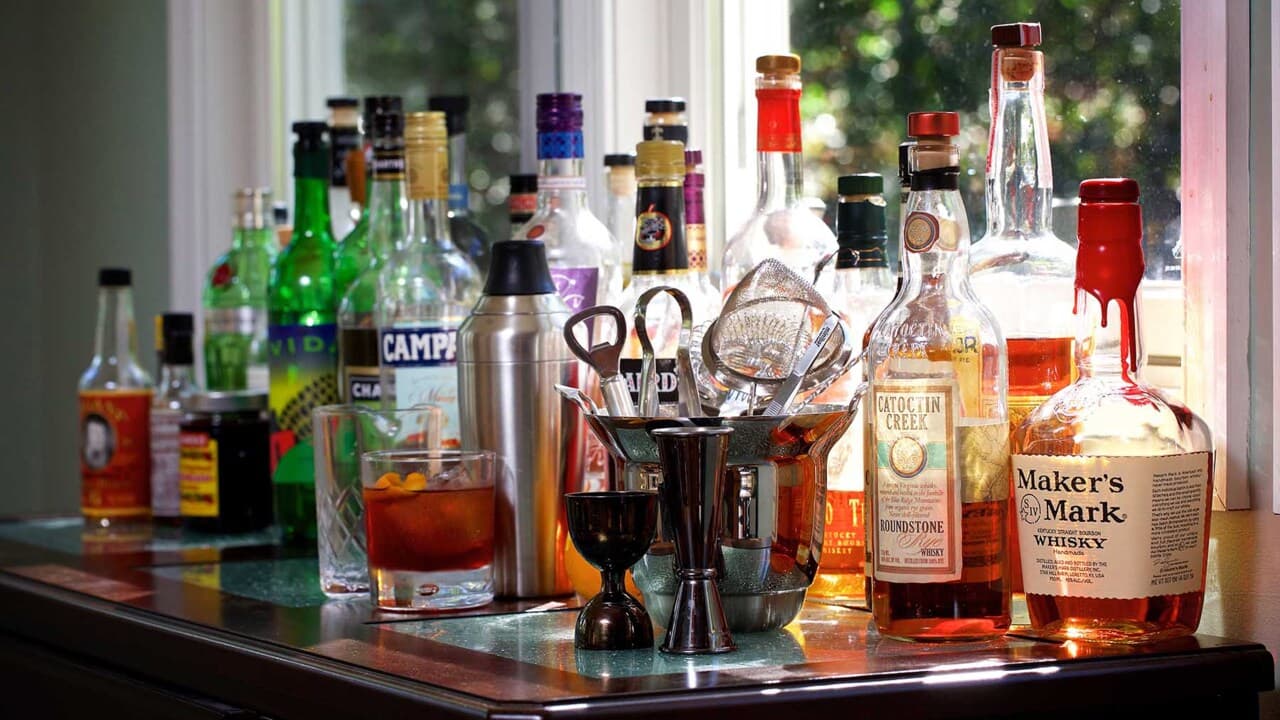
Technically, most high-proof spirits do not expire dangerously because alcohol acts as a preservative. Unopened bottles of vodka, whiskey, rum, tequila, gin, beer, and brandy can remain stable for years if stored properly. Think about bottles of wine; they are aged for years on end before they are sold via retail channels.
Once you open the bottle and expose it is then that the change comes through, oxygen slowly changes the flavour, aroma, and texture of the liquid through oxidation. Heat, sunlight, and poor storage conditions help speed up the process. So while an old bottle of whiskey probably will not make you sick, it may not taste nearly as good as it once did.
Vodka has one of the longest shelf lives because of its high alcohol content and neutral flavour profile. An unopened bottle can last indefinitely, while an opened bottle can still remain drinkable for several years if sealed properly. Signs of decline usually appear as a slight dullness in flavour rather than spoilage.
Whiskey, bourbon, and rum are all relatively stable spirits with long shelf lives. Unopened bottles can last indefinitely, while opened bottles are generally best consumed within one to three years. Oxidation can reduce depth, aroma, and overall complexity, especially if the bottle is frequently opened or exposed to heat.
.webp&w=1920&q=75)
Tequila and gin also last for years unopened, but their flavour profiles tend to fade slightly faster after opening because of their more delicate botanical and agave notes. Gin may lose some of its herbal brightness, while tequila can gradually lose its distinct agave character.
Brandy and Cognac are stable for long periods when sealed properly. Once opened, they slowly lose some complexity and richness over time, but generally remain drinkable for one to two years.
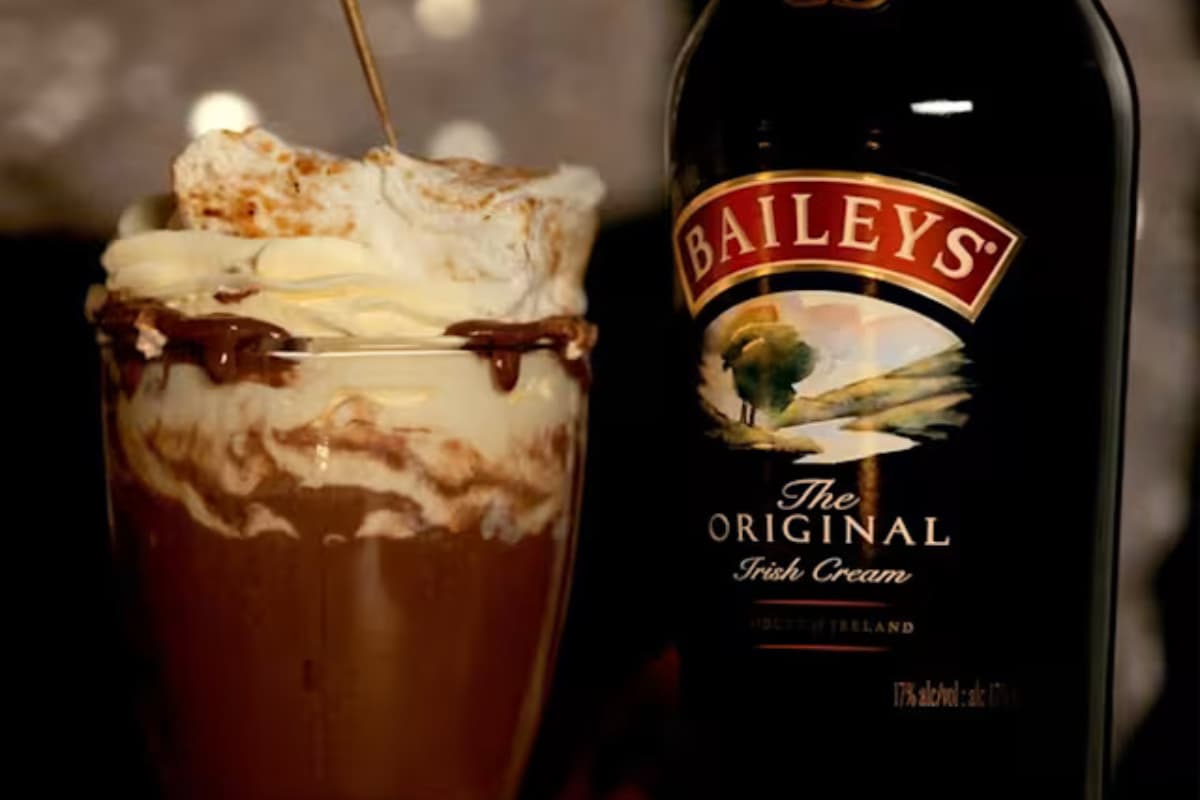
Non-cream liqueurs can usually survive several years unopened and about one to two years after opening. Cream-based liqueurs are far more sensitive than their peers due to the presence of dairy-based ingredients; however, they are far more sensitive because of dairy content. A Baileys can eventually curdle or separate if stored improperly or kept too long after opening. Cream liqueurs are best consumed within six to twelve months after opening.
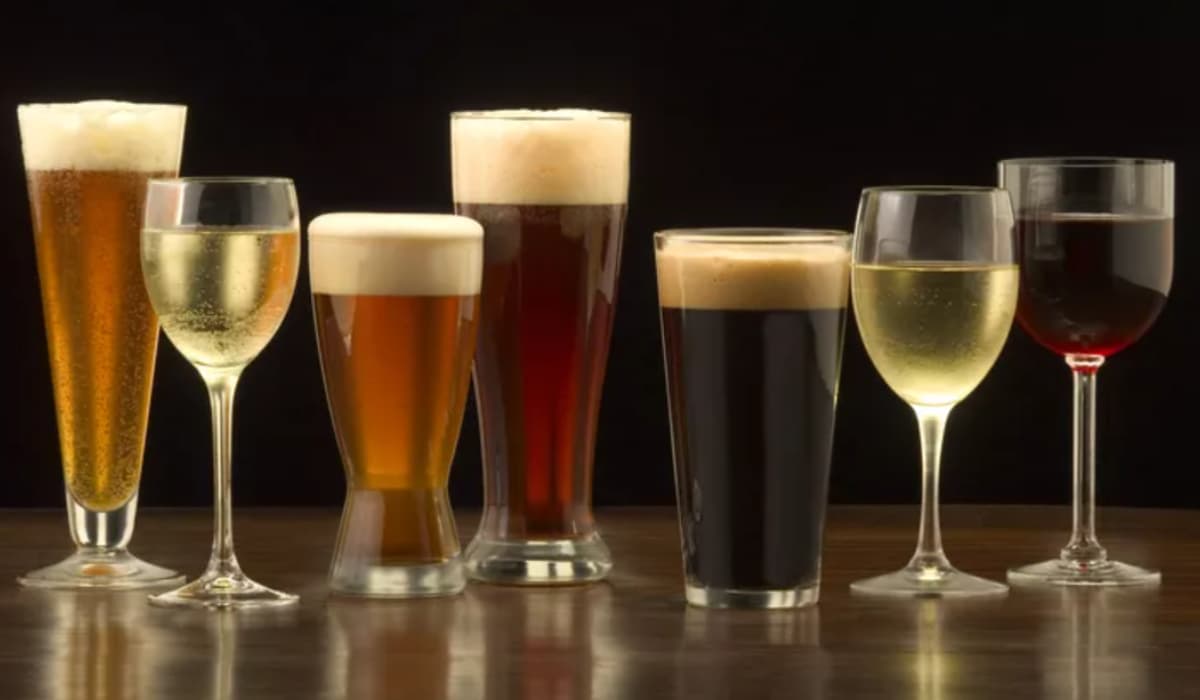
Wine is significantly more sensitive compared to spirits. Once opened, oxidation starts affecting the flavour quickly. Most wines stay enjoyable for only three to five days after opening, especially without refrigeration or preservation systems.
Beer has one of the shortest shelf lives among alcoholic beverages. Most beers stay fresh for around six to twelve months unopened, depending on style and storage conditions. Once opened, beer quickly loses carbonation and freshness. Flat texture, stale flavours, or a skunky smell are the usual telltale signs.
Champagne and sparkling wines are highly sensitive to oxidation and carbonation loss. Unopened bottles can last anywhere from three to ten years, depending on quality and style, but once opened, they are best consumed within one to two days. A noticeable loss of bubbles is usually the first sign that the wine has started declining.
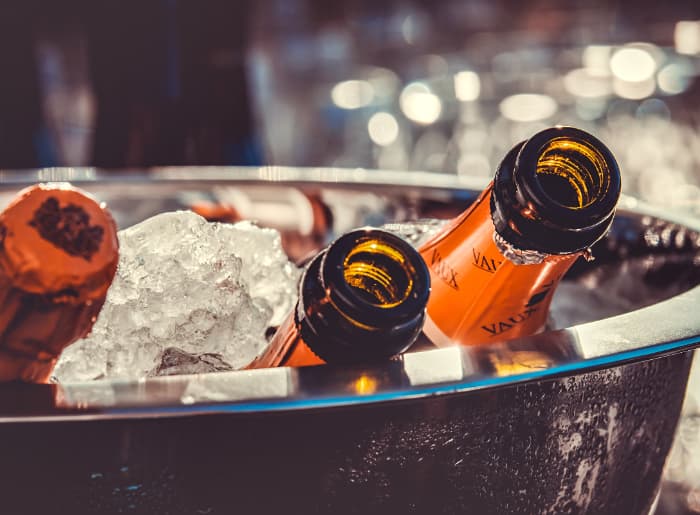
Storage naturally plays a major role in preserving alcohol quality. Most bottles need to be kept in cool, dark spaces away from direct sunlight and major temperature changes.
Unlike wine, spirits are generally best stored upright because high alcohol content can slowly damage corks over time. Simply keeping the bottles tightly sealed also helps slow oxidation. Lower-ABV products like wine, vermouth, beer, champagne, and cream liqueurs benefit from refrigeration after opening.
In most cases, old alcohol simply tastes unpleasant rather than becoming dangerous. High-proof spirits are generally very resistant to harmful bacterial growth. The bigger concern usually comes from improper storage or counterfeit alcohol rather than natural expiration.
Home bars, cocktail culture, and premium spirits collecting have changed how people store alcohol. Many consumers now keep partially used bottles for months or even years, especially products like whiskey, vermouth, aperitifs, and liqueurs. Understanding the shelf life of different types of alcohols helps preserve flavour quality while also preventing expensive bottles from going to waste.
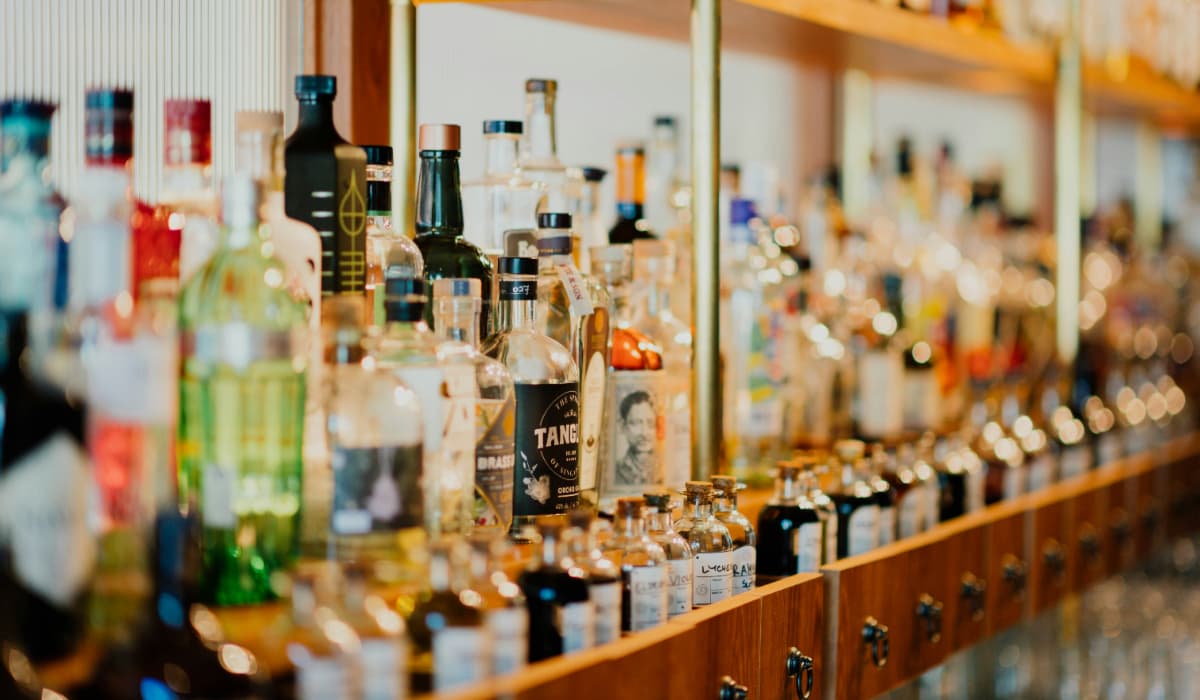
Spirits like whiskey, vodka, and rum can remain stable for years, while wine, beer, champagne, and cream-based liqueurs are far more sensitive to air and storage conditions. In most cases, old alcohol will not make you sick, but it may no longer taste the way it was intended to. Proper storage and understanding how different drinks age can make a major difference in preserving flavour and quality.
.jpg&w=3840&q=100)
.jpg&w=3840&q=100)
.jpg&w=3840&q=100)