
Ordering a drink should never feel intimidating. Yet bar menus, bottle labels, and casual conversations around alcohol are full of terms that can confuse even regular drinkers. Understanding common drinking terminology not only helps you order confidently but also deepens your appreciation of what’s in your glass.
This guide breaks down essential drinking terms - from strength and serving styles to cocktails, bar slang, and cultural expressions – every alcohol lover should know.
ABV refers to the percentage of pure alcohol in a beverage.
Knowing ABV helps you pace yourself and compare drinks accurately.
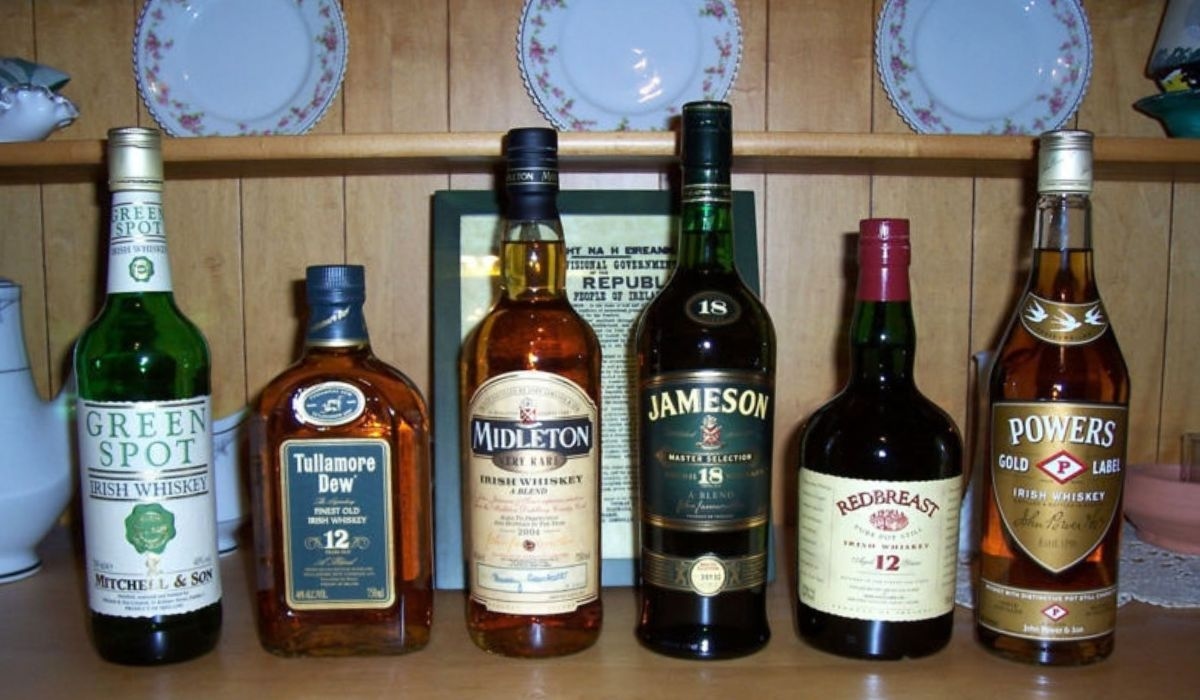
Spirits (or liquor) are distilled alcoholic beverages such as whiskey, vodka, gin, rum, tequila, and brandy. Distillation increases alcohol concentration compared to fermented drinks like beer and wine.
Often confused with liquor, liqueurs are spirits sweetened and flavored with herbs, fruits, spices, or cream. Examples include triple sec, amaretto, and coffee liqueurs.
A spirit served by itself at room temperature – no ice, no mixer. Common for premium whiskies and aged spirits.
Served over ice. The melting ice slightly dilutes the drink and softens the alcohol intensity.
A drink that’s been shaken or stirred with ice, then strained into a glass without ice. Martinis and Manhattans are classic “up” drinks.
A small, measured serving of alcohol meant to be consumed quickly. Shot sizes vary by country and bar, but consistency matters more than speed.
A drink made with two or more ingredients, including at least one spirit. Cocktails often involve balance – sweet, sour, bitter, and strong elements working together.
Any alcoholic beverage combined with a non-alcoholic mixer, such as rum and cola or vodka soda.
A style of mixed drink made with a spirit and a larger proportion of a carbonated mixer, served in a tall glass (e.g., gin and tonic, whiskey soda).
.webp&w=1920&q=75)
A drink consumed after a shot to cleanse the palate or reduce the burn—commonly water, juice, or beer.
A non-alcoholic drink served alongside a spirit (for example, whiskey with a glass of water).
A low-alcohol drink served before a meal to stimulate appetite. Common examples include dry vermouth, aperol, and sparkling wine.
Served after a meal, digestifs are typically stronger or herbal drinks such as brandy, amaro, or certain liqueurs.
A refreshing mix of beer and lemonade or citrus soda, popular in warm climates and known for its lower alcohol content.
Wine that contains bubbles from natural fermentation or added carbonation. Champagne, prosecco, and cava all fall under this category.
Short for Bring Your Own Bottle/Beer/Booze. Indicates guests should bring their own alcohol to an event.
A final drink at the end of the evening, usually something sipped slowly rather than consumed quickly.
A drink enjoyed in the early evening, traditionally while watching the sunset – often light, refreshing, and social.
A non-alcoholic beverage designed to mimic the flavor and presentation of a cocktail.
Slang varies by region, but these terms are widely understood across bars worldwide.
Knowing drinking terminology isn’t about sounding impressive – it’s about making informed choices, communicating clearly at bars, and understanding what you’re paying for. Whether you’re sipping a cocktail, ordering wine with dinner, or exploring spirits, language is part of the experience.
The more you understand the words behind the drinks, the more confidently and responsibly – you can enjoy them.