

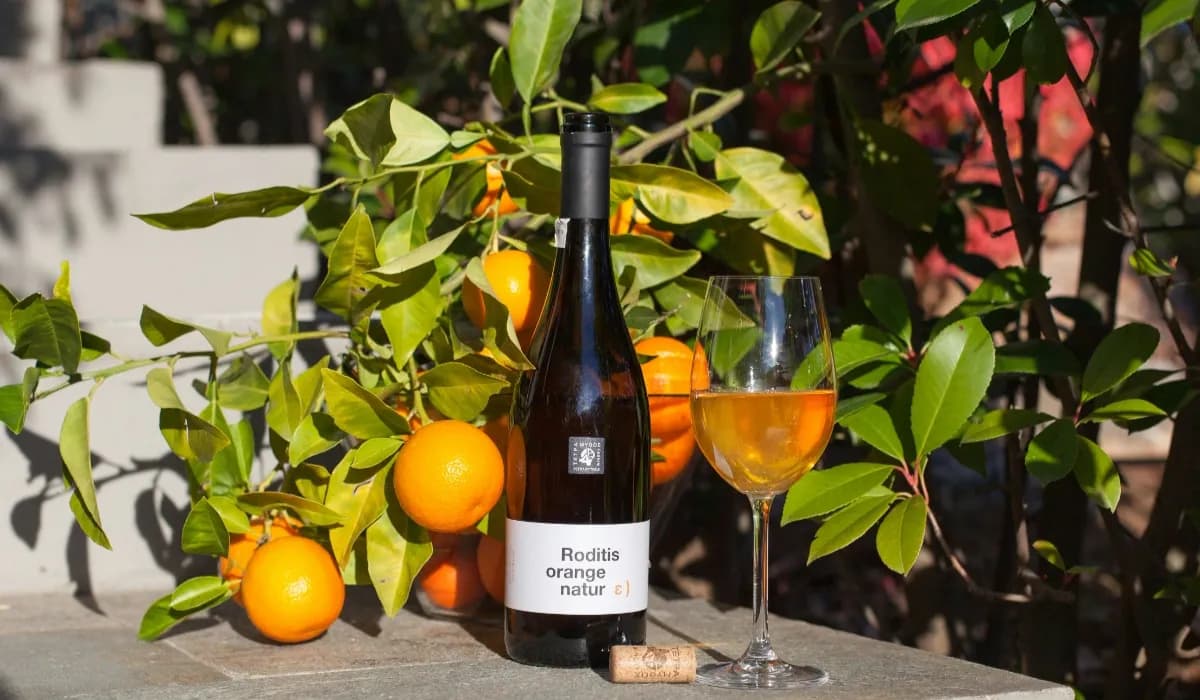
Despite its vibrant name, orange wine has nothing to do with citrus fruits. If you’ve noticed glowing amber bottles popping up on wine lists from New York to New Delhi, you’re witnessing the revival of an ancient tradition. While it may seem like a modern "Instagrammable" fad, orange wine is actually one of the oldest styles of winemaking in the world (approximately 8,000 years old).
If orange wine is explained simply, it is a type of white wine made using the methods typically reserved for red wine.
While standard white wine is made by pressing grapes and fermenting only the juice, orange wine – often referred to by sommeliers as skin-contact wine – is made by leaving the skins and seeds of white grapes in contact with the juice during fermentation. This process can last anywhere from a few days to several months.
This technique originated roughly 8,000 years ago in the Caucasus region (modern-day Georgia), where wine was fermented in large, beeswax-lined terracotta urns called Qvevri buried underground.
The orange wine fermentation process is the "secret sauce" that defines its character. Here is the step-by-step breakdown:
Many producers also follow a philosophy of natural orange wine, meaning they use organic grapes, skip commercial yeasts, and add little to no sulfites.
.webp&w=1920&q=75)
The primary difference lies in structure and color. In orange wine vs. white wine, the former gains a deep gold or sunset-orange hue and a much heavier "mouthfeel."
If you are expecting the crisp, fruity notes of a Sauvignon Blanc, prepare for a surprise. The orange wine taste profile is famously bold and savory. Common tasting notes include:
The current orange wine trend isn't just about the striking color in a glass. Several factors explain why orange wine is popular right now:
What is orange wine? It is a bridge between worlds – an ancient technique that feels entirely fresh in the 21st century. By embracing the skin-contact wine method, winemakers are producing bottles that challenge our perceptions of flavor and texture. Whether you are drawn to it for the history, the sustainability of natural orange wine, or simply the complex orange wine taste profile, this "fourth color" of wine is clearly here to stay.
.jpg&w=3840&q=100)
.jpg&w=3840&q=100)
.jpg&w=3840&q=100)