
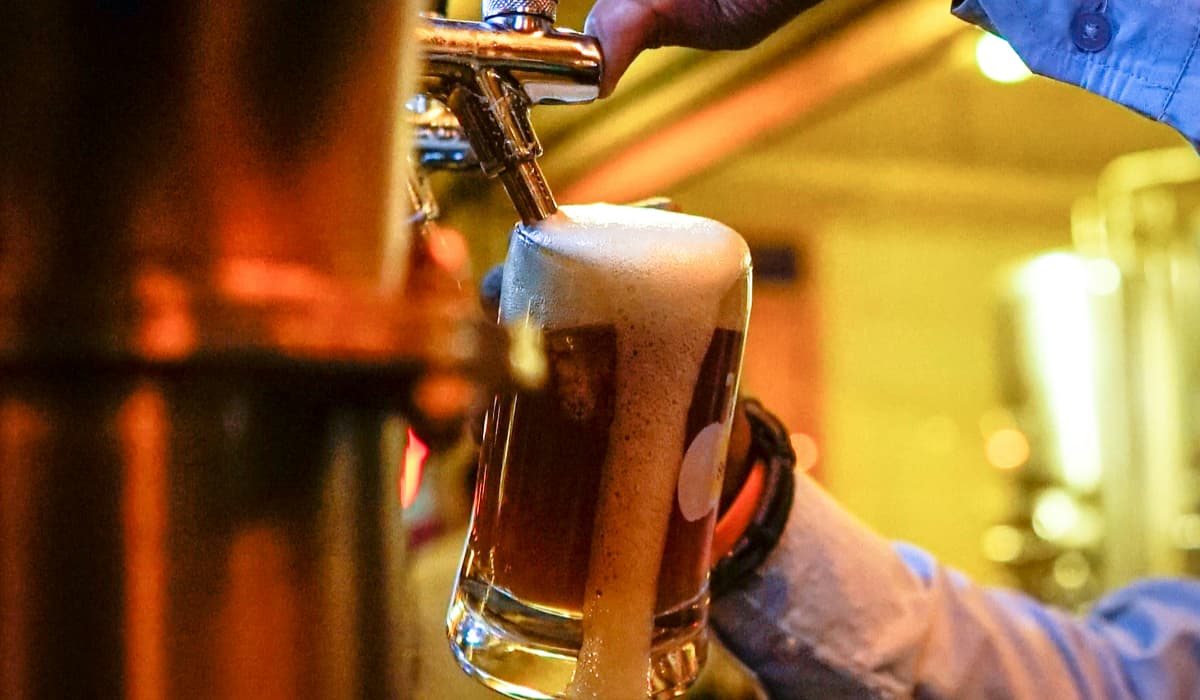
There’s something deeply soul-satisfying about cracking open a chilled bottle of beer after a long day. However, when it comes to beer, the right temperature can make or break your experience. Just as wine enthusiasts consider serving temperatures, beer lovers should too. A beer served ice cold can not only taste refreshing, but also elevate the overall experience. So how cold should beer actually be served? Let’s dive deep into it!
Temperature plays a crucial role in defining your experience of drinking beer. When beer is extremely cold, the molecules responsible for aroma become less volatile. Since much of what we perceive as flavor comes from aroma, an overly chilled beer can lose many of its defining characteristics.
On the other hand, warmer temperatures allow aromas to emerge more readily. Many components like malt sweetness, fruity ester, hop aromas, and roasted flavors become more noticeable. However, if beer becomes too warm, bitterness and alcohol can become more pronounced.
The goal is to find the sweet spot where the beer remains refreshing while still showcasing its intended flavors.
Many mass-market lagers are advertised as being best served ‘ice cold’. However, light lagers have a clean, crisp profile with relatively subtle flavor complexity. Serving them chilled can enhance their flavor slightly while enhancing the refreshing feel of the beer.
However, not all kinds of beer taste best when served chilled. A rich stout, aromatic IPA, or Belgian ale can lose much of its character when served near freezing temperatures. Serving them extremely cold can feel refreshing, on a hot day especially, but it can also hide a lot of their flavors.
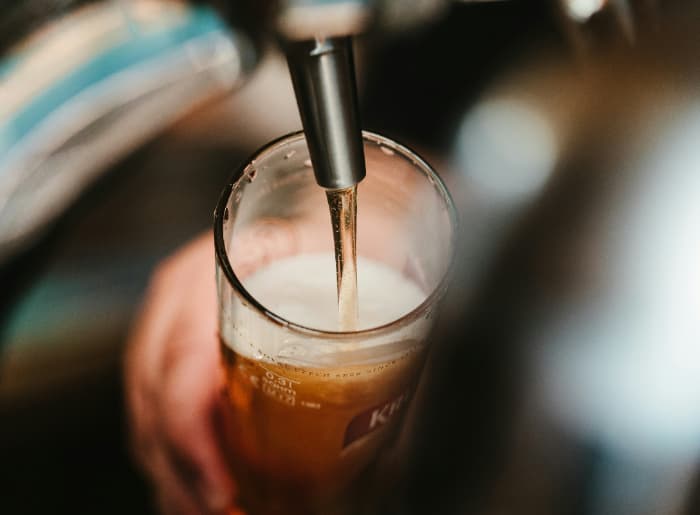
Beer experts often joke that if a beer tastes best when ice cold, it's because the cold is hiding the flavor rather than enhancing it.
Here’s a general guide to serving temperatures for different beer styles.
Ideal Temperature: 3°C to 7°C
These beers are designed to be crisp, clean, and refreshing. Colder temperatures highlight their thirst-quenching qualities and sparkling carbonation.
Examples include:
Serve them straight from the refrigerator for the best experience.
Ideal Temperature: 4°C to 8°C
Wheat beers are known for their fruity and spicy aromas. While they should remain refreshing, slightly warmer temperatures allow banana, clove, citrus, and floral notes to emerge.
Examples include:
Ideal Temperature: 7°C to 10°C
Hop-forward beers, such as pale ales and IPAs, rely heavily on aroma. Serving them too cold can suppress the citrus, tropical fruit, pine, and floral notes that brewers work hard to create.
Popular examples:
Allowing these beers to warm slightly before drinking can significantly improve their aromatic intensity.
Ideal Temperature: 10°C to 13°C
Dark beers contain roasted malts that create flavors reminiscent of coffee, chocolate, caramel, nuts, and toffee.
Serving them too cold can make them seem thin and one-dimensional.
Examples include:
A stout taken directly from an ice-filled cooler may taste completely different from the same beer served a few degrees warmer.
Also Read: How To Enjoy Hoegaarden Wheat Beer: Taste Notes, Food Pairings & Serving Tips
The feel of a beer doesn’t solely depend on the temperature, but also depends on the glassware.
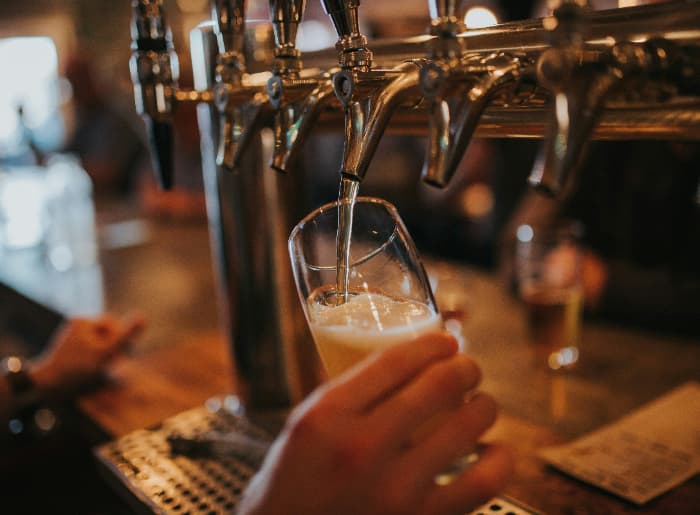
A chilled glass can keep beer colder for longer, making it ideal for lagers and pilsners.
For complex and more nuanced ales, a room-temperature glass works just fine because it allows aromas to develop naturally.
If you are getting overwhelmed keeping up with this information, here’s what you need to remember:
The lighter the beer, the colder it can be served.
The darker and stronger the beer, the warmer it should be served.
Light lagers thrive when icy and refreshing, while rich stouts and strong ales reveal their full personalities only when allowed to warm slightly.
Also Read: Why Is Nepali Beer So Popular? Best Beer Brands You Must Try
The perfect beer temperature isn’t about making beer as cold as possible, it’s about bringing out the best qualities of each style. Next time you pour a beer, consider giving it a few minutes before your first sip.
Not necessarily. Light lagers and pilsners are often served ice-cold. More complex beers can lose aroma and flavor when served too cold.
IPAs are usually best at around 7°C to 10°C. Letting them sit for a few minutes after refrigeration can help their hop aromas become more noticeable.
The alcohol content doesn't change, but warmer temperatures can make alcohol flavors and aromas more noticeable.