

.png&w=3840&q=75)
Summer and social drinking usually go hand in hand, beach plans, rooftop nights, long weekends. But the combination of alcohol and heat can hit harder than usual, making hangovers feel more intense. The good news is that avoiding one isn’t about some miracle cure. It’s about a few smart habits before, during, and after you drink. Here’s how to keep your next day as smooth as your night.
What you do before drinking matters more than most people think. According to Healthline, eating beforehand can help stabilise blood sugar levels and slow alcohol absorption. A proper meal, especially one with carbs, protein, and fats, creates a buffer so alcohol doesn’t hit your system too quickly.
Drinking on an empty stomach, on the other hand, is almost a guaranteed way to feel worse the next day. Hydration is just as important. Alcohol acts as a diuretic, meaning it makes you lose more fluids. Starting your night already dehydrated, especially in summer heat, only makes things worse later.
Also Read: 5 Cucumber Cocktails to Keep You Cool All Summer Long
The simplest rule still works best: drink less. Hangover severity is directly linked to how much alcohol you consume. That doesn’t mean you have to skip the night entirely, but spacing your drinks makes a big difference. A useful habit is alternating every alcoholic drink with a glass of water.
Harvard Health also recommends this to reduce dehydration and slow intake. Another underrated tip is choosing your drinks wisely. Dark spirits like whiskey and cognac contain higher levels of congeners, compounds linked to worse hangovers. Clear drinks like vodka or gin tend to be easier on the body.
If there’s one thing that every health expert recommends, it's to drink more fluids. Alcohol suppresses a hormone that helps your body retain water, leading to dehydration, which is a major contributor to headaches, fatigue, and dizziness.
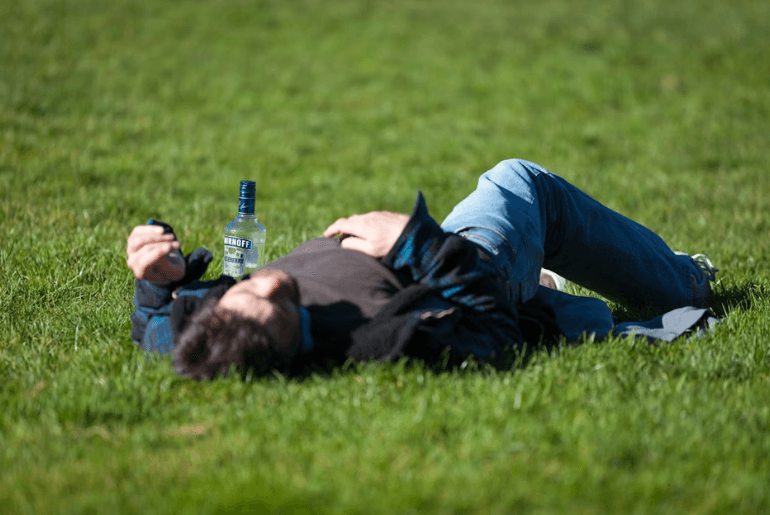
In summer, this effect doubles because you’re already losing fluids through sweat. Make it a habit to drink water throughout the night while consuming alcohol and have a full glass before going to bed. Electrolyte drinks or simple fluids like coconut water can also help restore what your body loses.
A late night out often means poor sleep, and that’s another reason hangovers feel worse. Alcohol disrupts sleep quality and duration, which contributes to fatigue and irritability the next day. Even if you’ve had a few drinks, giving yourself enough time to rest helps your body recover faster. Think of sleep as part of your recovery plan, not an afterthought.
Also Read: Beat the Heat: Summer Cocktails Without the Hangover
If you still wake up feeling off, don’t reach for quick-fix myths. There's no proven “cure” for a hangover, only ways to ease symptoms.
Start with water. Even small sips help. Eating light, carb-rich foods like toast or fruit can help stabilise blood sugar, which may reduce headaches and weakness. As pr Healthline, pain relievers like ibuprofen can help, but avoid mixing alcohol with certain medications like acetaminophen, as it can be harsh on the liver. And that “hair of the dog” idea? It only delays recovery, not fixes it.
There’s no magic hack to completely avoid a hangover, especially in summer. But small, consistent habits make a real difference. Eat before you drink, hydrate throughout the night, choose your drinks wisely, and don’t overdo it. At the end of the day, your body doesn’t need a cure, it just needs less stress to deal with.
.jpg&w=3840&q=100)
.jpg&w=3840&q=100)
.jpg&w=3840&q=100)