
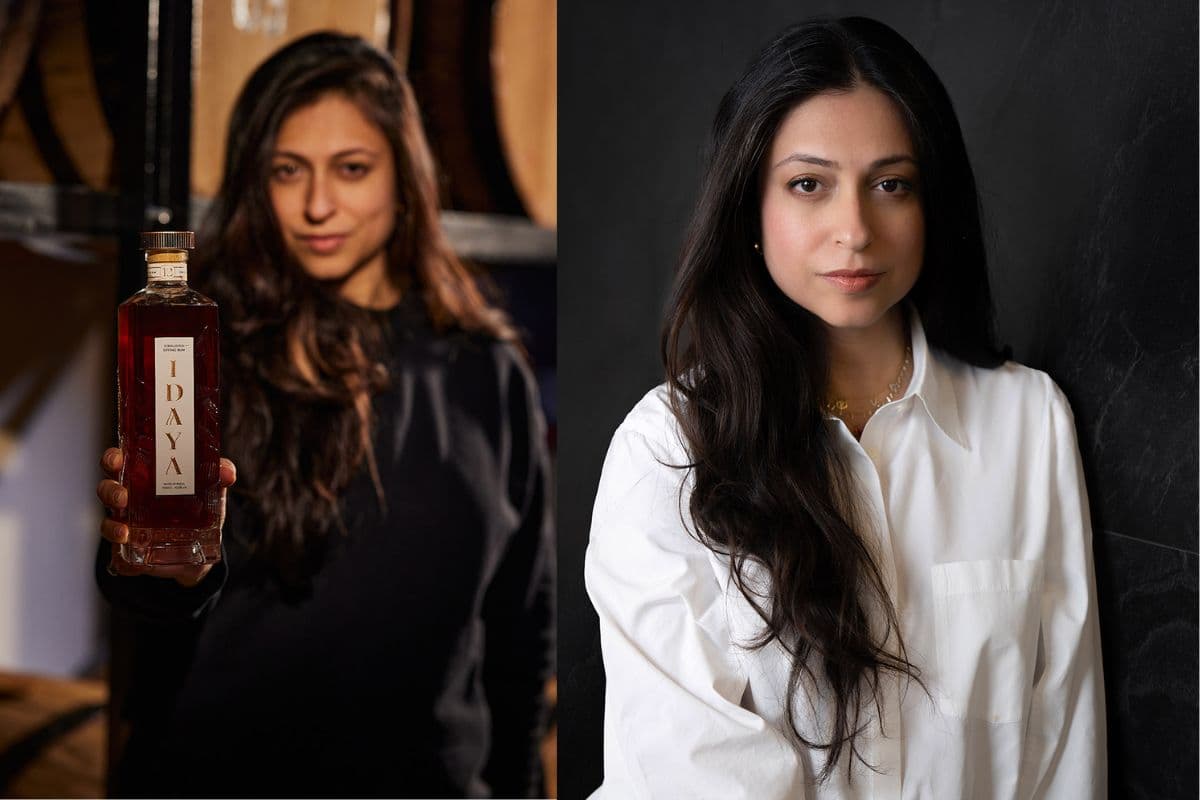
What happens when 20-plus years of experience in luxury brand building, one random day during COVID, and ancient Ayurveda meet? Well, a promising brand like IDAAYA emerges! Yes, Karishma Manga Bedi didn’t just enter the alco-bev industry with Those Good Distillers; she redefined what Indian luxury could taste like with IDAAYA. In a category that was completely obsessed with Whisky and Scotch, she’s making rum sit with heads high. And we at unsobered got this opportunity to get in conversation with her about the brand and her journey. Check it out!
unsobered: How did your journey into the alco-bev industry begin? What made you take the risk and leave leading global luxury brands to become the founder of Those Good Distillers?
Karishma: My journey into luxury spans over two decades, working across sectors from LVMH brands and Dior watches to Forest Essentials and Jo Malone. That rich experience in brand building, manufacturing, and distribution taught me a lot of things.
The turning point arrived during COVID over a glass of exceptional dark spirit with my husband. Suddenly we realized India lacked a homegrown luxury rum that could stand with global icons. That conversation gave birth to IDAAYA and also Those Good Distillers.
unsobered: Coming from a luxury background, what was the biggest culture shock you experienced in the world of spirits?
Karishma: The biggest shock was understanding and navigating India’s tight advertising bans. This also included state-by-state excise laws, which required a total rethinking in terms of marketing and distribution.
.jpg&w=1920&q=75)
unsobered: As a female founder breaking glass ceilings in a traditionally male-dominated alcobev space, did you face any challenges?
Karishma: While the industry is traditionally male-dominated, I have never let gender dynamics dictate how I operate or make decisions. I focus entirely on evaluating conversations purely by the value, learning, and collaboration they bring, and simply filtering out the rest.
Also Read: Meet Vaniitha Jaiin: The Trailblazer Redefining Craft Spirits Landscape In India
unsobered: For decades, rum in India has been seen as a winter comfort drink. How is the scene changing for Indian consumers today?
Karishma: Historically, sugarcane-rich India was always a rum-drinking nation. This was until colonial influence brought in whisky. Then regional narratives wrongly portrayed rum as a winter warmer. But on the contrary, the warm tropical regions globally enjoy it year-round.
Today, modern Indian consumers are driving a major mindset shift by embracing the philosophy of "drinking less, but drinking better." With craft expressions like Idaaya, rum is reclaiming its rightful voice as a year-round sipping spirit.
unsobered: Premiumisation is reshaping Indian drinking habits. What do you think is driving consumers towards crafted pours?
Karishma: Premiumisation is a lifestyle shift driven by rising disposable incomes and an aspirational younger generation. Consumers today measure true value through unique craftsmanship and quality rather than just volume.
unsobered: How does a premium homegrown rum redefine global perceptions of Indian spirits, standing beside single malts or scotch?
Karishma: True luxury is about resilience, craftsmanship, and telling a story that is unique. With IDAAYA, we brought in unique luxury markers inside and out, like a decanter-style bottle featuring a copper compass cap that doubles as an ice stamper, and a sophisticated liquid matured through the gold-standard Solera method.
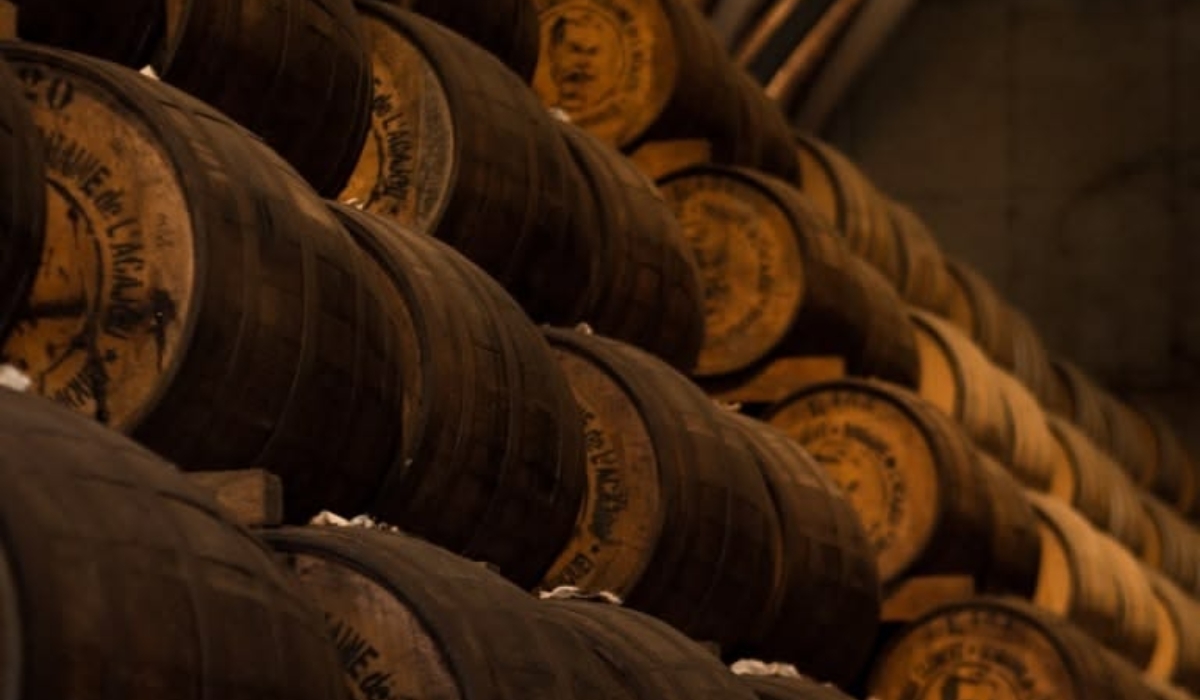
By aging a 12-year-old rum in ex-bourbon and dense Sal wood casks, we crafted a complex profile that easily rivals the best of whiskies.
Winning major international spirit awards even before our official launch proved that a homegrown Indian rum can effortlessly stand shoulder-to-shoulder with global icons on liquid merit.
.jpg&w=3840&q=75)
unsobered: IDAAYA draws inspiration from ancient texts like the Arthashastra and historic drinks like Amlasidhu. How did you think of bringing them into a modern bottle?
Karishma: Drawing from my family’s deep roots in Ayurvedic beauty, I wanted IDAAYA’s creation to be rooted in India with uniqueness. During my initial research into ancient texts, I partnered with a Bangalore-based Ayurvedic and food technology institute to study historic fermented concoctions like Amlasidhu and understand how traditional herbal alcohols functioned.
That research led us to learn Indian techniques like Dhoopam and Lepam for cask treatment. By embedding these ancient scriptures into modern craft production, we built IDAAYA.
unsobered: You use traditional cask-treatment techniques like Lepam and Dhoopam. What are these and how do they impact the final flavor profile?
Karishma: Dhoopam (smoking) and Lepam (anointing with paste) are ancient Ayurvedic wood-treatment techniques. They use pastes and smoke derived from Himalayan herbs and fruits. We apply these methods to dense Sal wood casks, which hold flavor tightly.
As the 12-year-old rum rests in these treated casks, it absorbs these aromatic botanical notes, offering a layered complexity.
unsobered: If IDAAYA were a person, what kind of vibe, wardrobe, and personality would they have at a cocktail party?
Karishma: Idaaya would be a confident woman who quietly commands attention the moment she walks into a room. She doesn’t follow the crowd; think an oversized black blazer paired with sharp black heels. She’s strong and unapologetic.
Also Read: Mumbai’s Luv Restaurant Launches First Cocktail Menu; In Conversation With Chef Akash Deshpande
https://www.instagram.com/p/Dbnfb8Mqvc-/?igsh=cTd3dTlhbzR4Mndm
unsobered: What is the biggest myth or misconception about founding a craft liquor brand in India that you’d love to debunk?
Karishma: The biggest category myth is that rum is strictly a winter drink. No, it is not! It’s actually a versatile, year-round spirit.
unsobered: Gen Z is reshaping the global alcobev landscape with trends like "mindful drinking" and lower-alcohol preferences. Does IDAAYA fit here?
Karishma: If mindful drinking is the trend, then IDAAYA was practically built for Gen Z. Our sipping culture is designed around quality over quantity. This means that you don't need six drinks when you can turn a single pour into a ceremony. It’s all about creating intentional moments of pause.
unsobered: In an industry where traditional advertising is not used, what role do authentic storytelling and consumer experience play?
Karishma: In the absence of traditional advertising, the ultimate metric of success is genuine recommendations. Authentic storytelling and strong consumer experiences drive organic word-of-mouth, allowing the brand to build real credibility.
unsobered: What is your message to women entrepreneurs looking to step into competitive, male-dominated industries?
Karishma: My biggest advice is to never settle. Keep knocking on doors persistently, refuse to take 'no' for an answer, and never compromise your ambition