

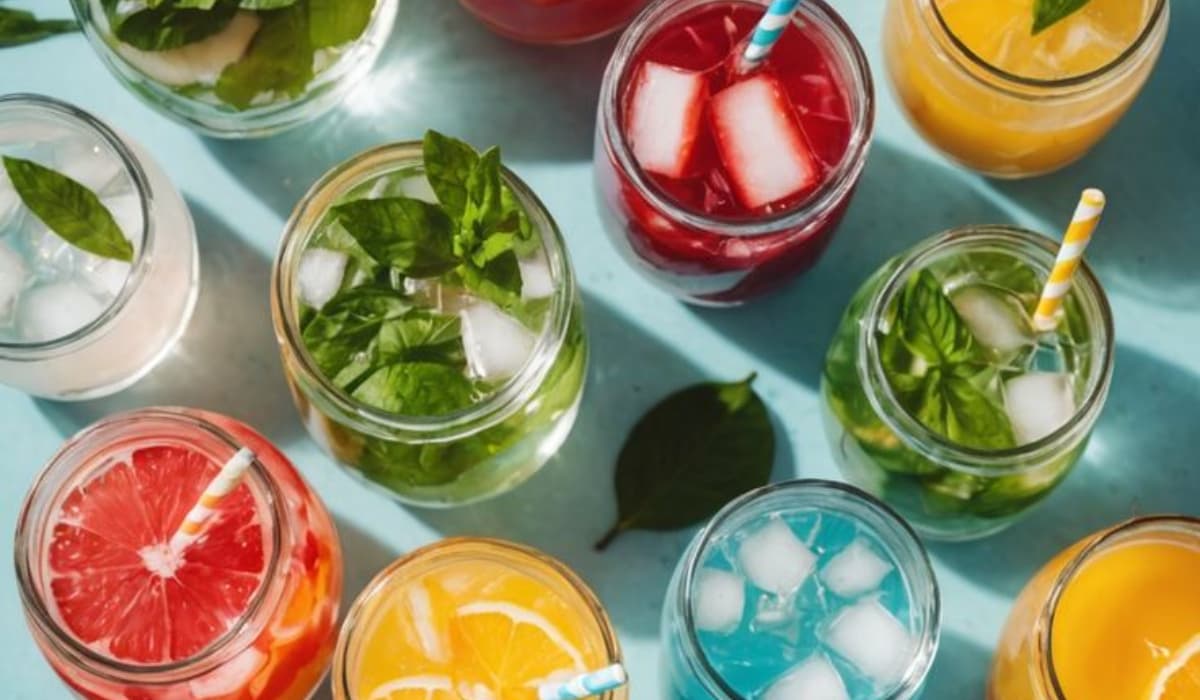
Alcohol and fitness goals were once treated like complete opposites, but drinking habits have changed heavily over the last few years. More consumers today pay attention to calories, sugar intake, mixers, and portion sizes without necessarily wanting to stop drinking altogether. That shift has made low-calorie alcoholic drinks increasingly popular across India, especially among younger urban consumers looking for lighter and more balanced drinking options.
The important thing to understand, however, is that no alcohol is truly “healthy.” Most low-calorie choices simply work because they reduce sugar, mixers, and unnecessary calories compared to heavier cocktails, creamy drinks, or large beer servings. In many cases, the extra calories come less from the alcohol itself and more from syrups, juices, tonic water, and sugary mixers.
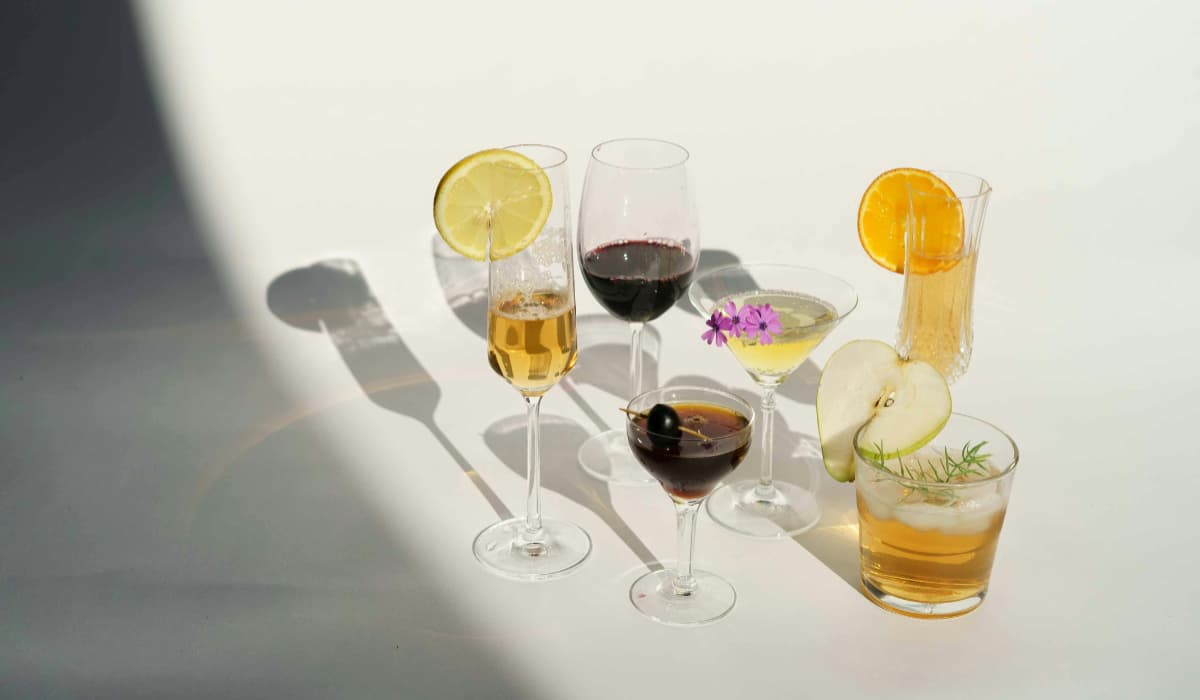
Alcohol can absolutely affect weight loss, even when the drink itself is relatively low in calories. One of the biggest reasons is that alcohol provides what are often called empty calories, meaning the body receives calories without much nutritional value in return. Alcohol can also temporarily slow fat metabolism because the body prioritizes processing alcohol first.
The impact also goes beyond the drink itself. Late-night eating, bar snacks, disrupted sleep, dehydration, and reduced activity the next day often contribute more heavily to weight gain than people realize. Even lighter drinks can become calorie-heavy very quickly when consumed repeatedly across long nights or weekends.
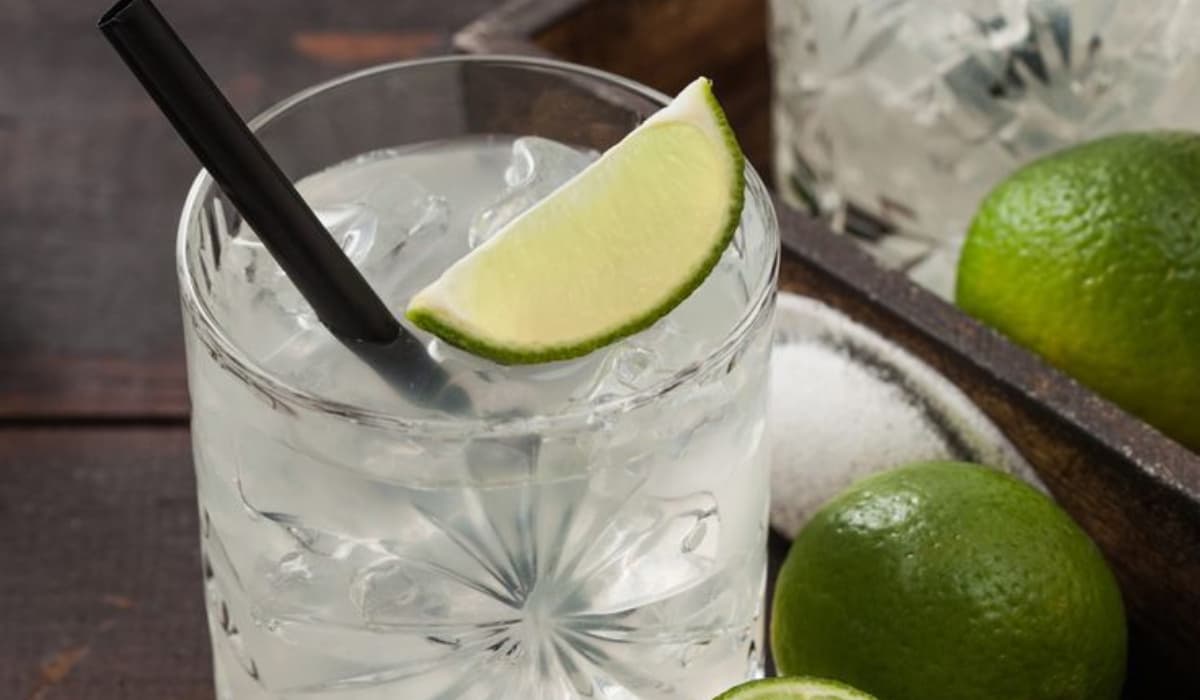
Vodka soda remains one of the most popular low-calorie alcoholic drinks globally because it keeps things extremely simple. Soda water adds almost no calories, while vodka itself stays relatively low-calorie when consumed in moderate portions.
Adding lime, mint, cucumber, or lemon helps improve flavor without dramatically increasing calorie intake. Many consumers prefer vodka soda specifically because it avoids sugary mixers completely.
Approx Calories: 90–100 calories per serving
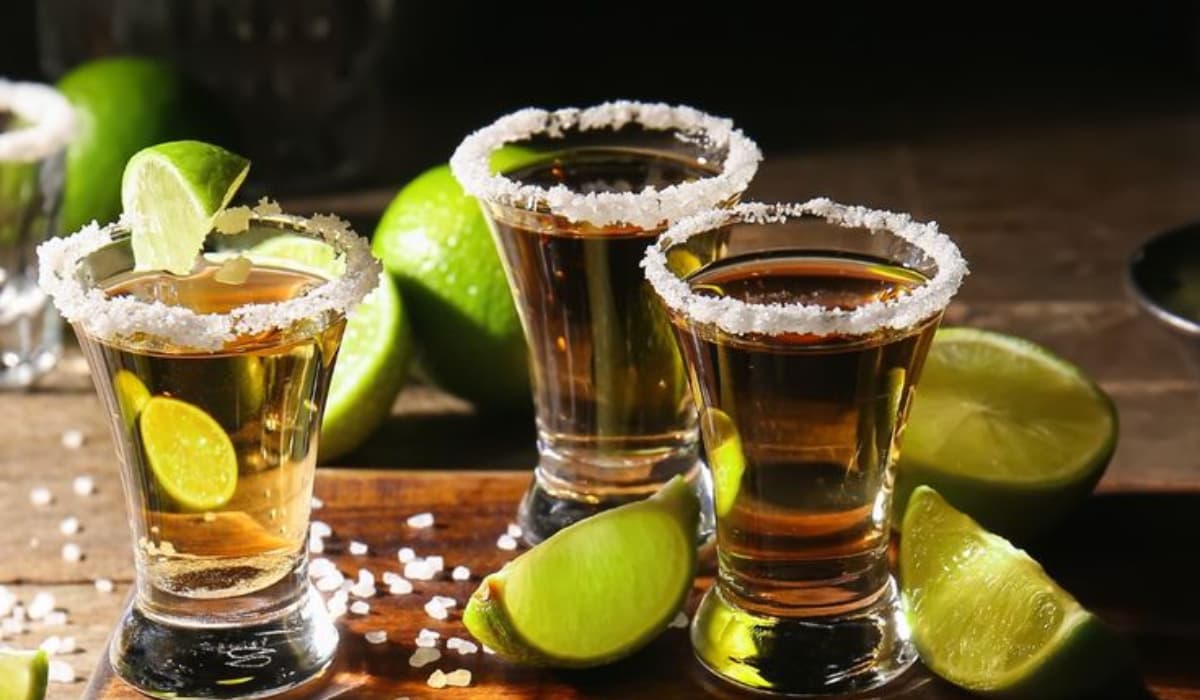
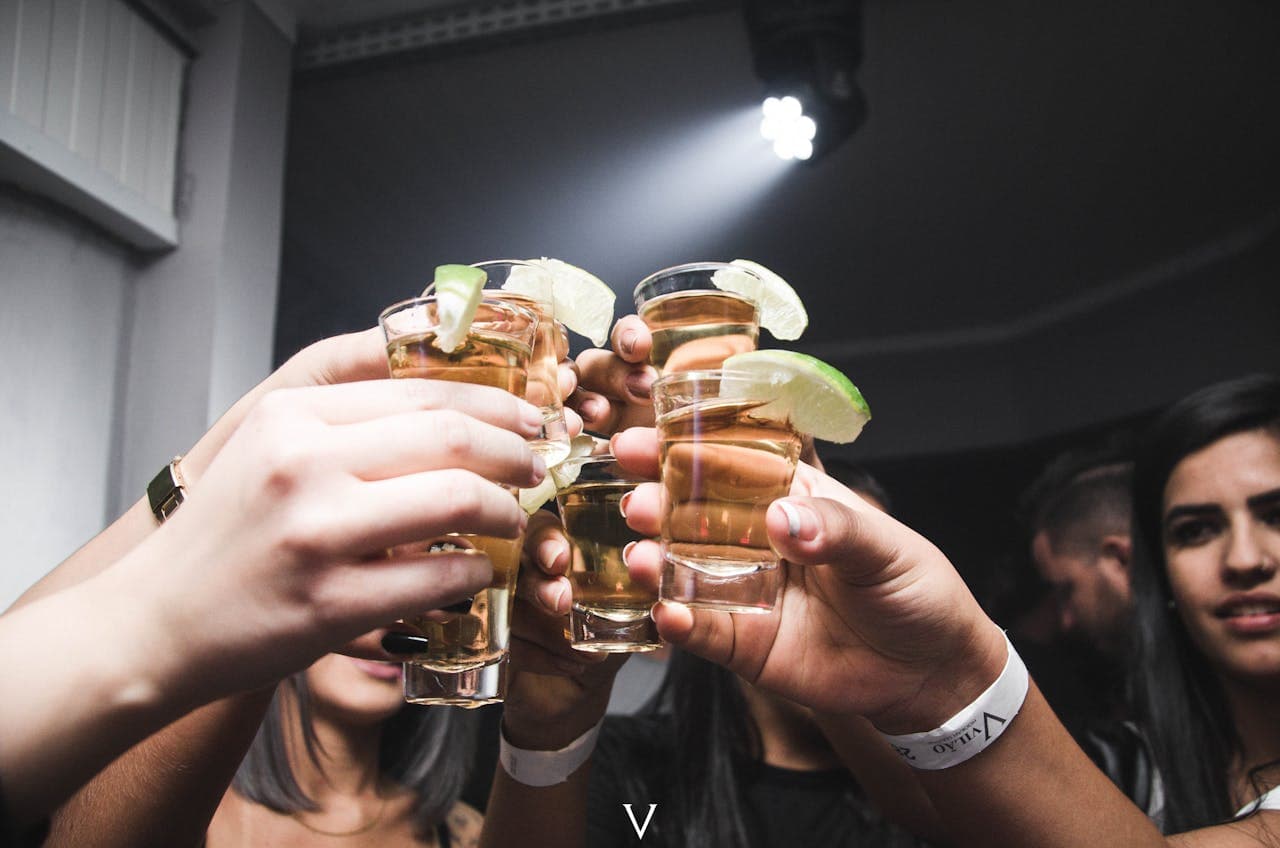
Tequila has increasingly become associated with lighter drinking choices, especially when paired with lime or sparkling water instead of sugary cocktail mixes. A basic tequila soda feels refreshing while still staying relatively low in calories.
Premium tequila consumption has also grown rapidly across India over the last few years as cocktail culture continues expanding in major cities.
Approx Calories: 95–110 calories per serving
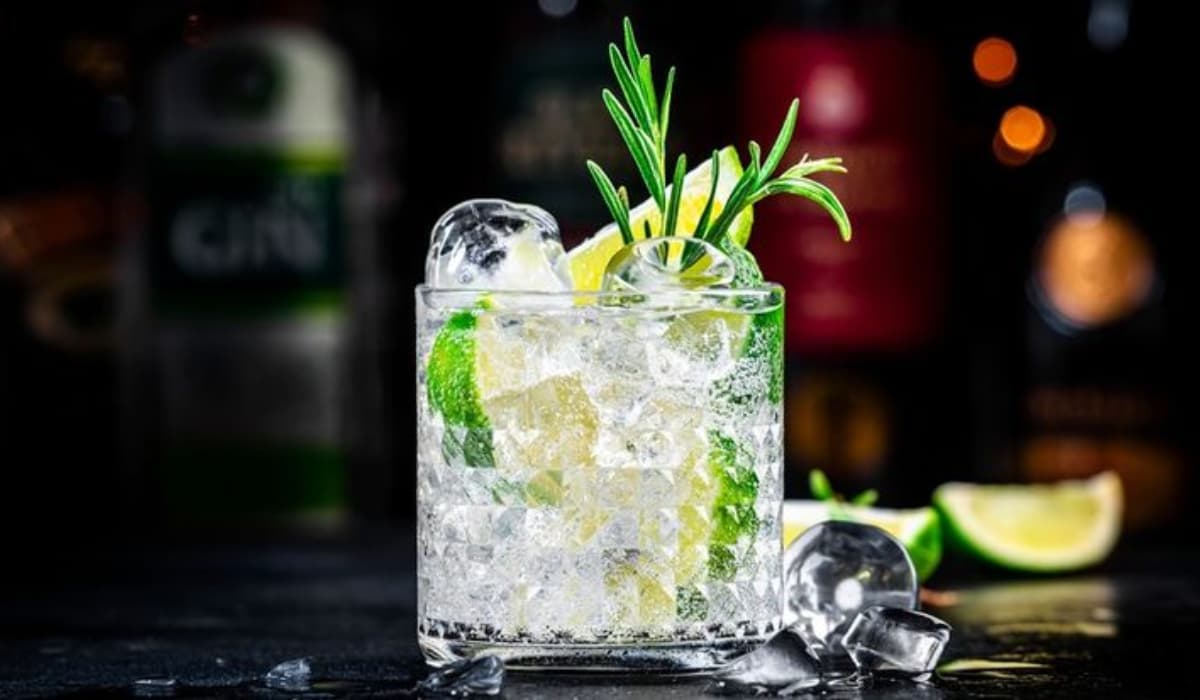
Gin works especially well as a lower-calorie option when paired with soda water instead of tonic. Traditional tonic water often contains surprisingly high sugar levels, while soda water keeps the drink much lighter overall.
Botanical-heavy gins also naturally carry stronger flavors, which means they usually do not need excessive mixers or syrups to taste balanced.
Approx Calories: 100–120 calories per serving
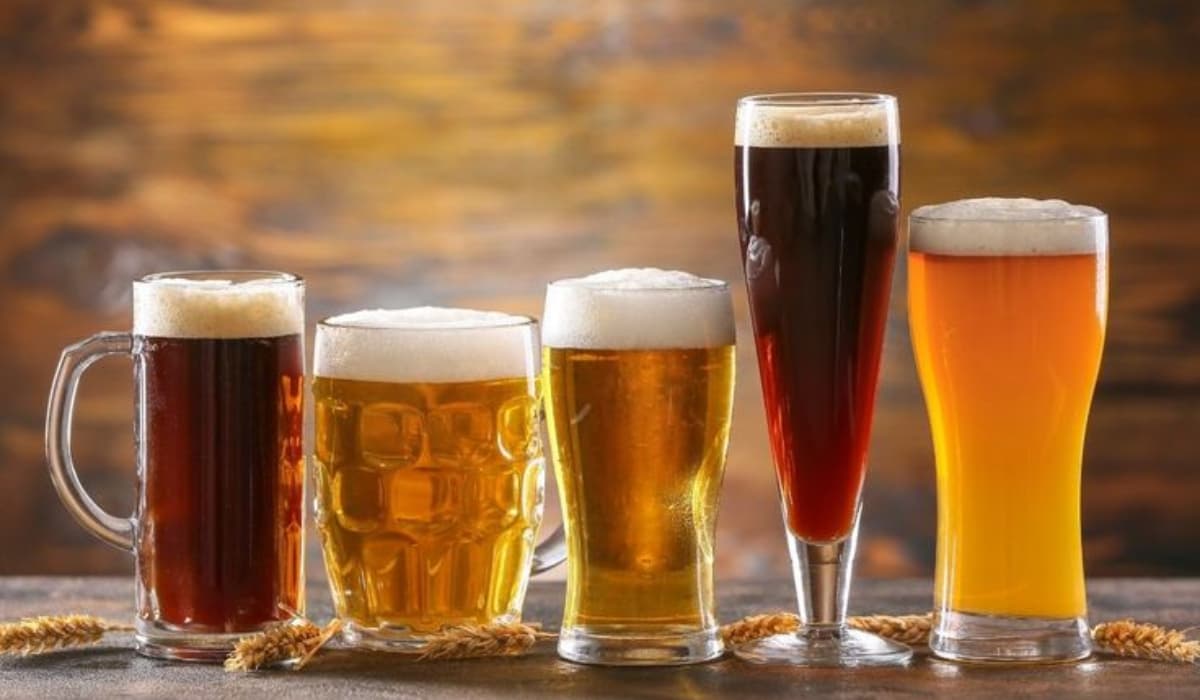
Beer generally carries more calories because of carbohydrates and serving size, but light beers reduce both carb and alcohol content significantly. Several lighter beer options have also become more visible in India as consumers increasingly look for lower-calorie drinking alternatives.
Approx Calories: 90–120 calories per bottle
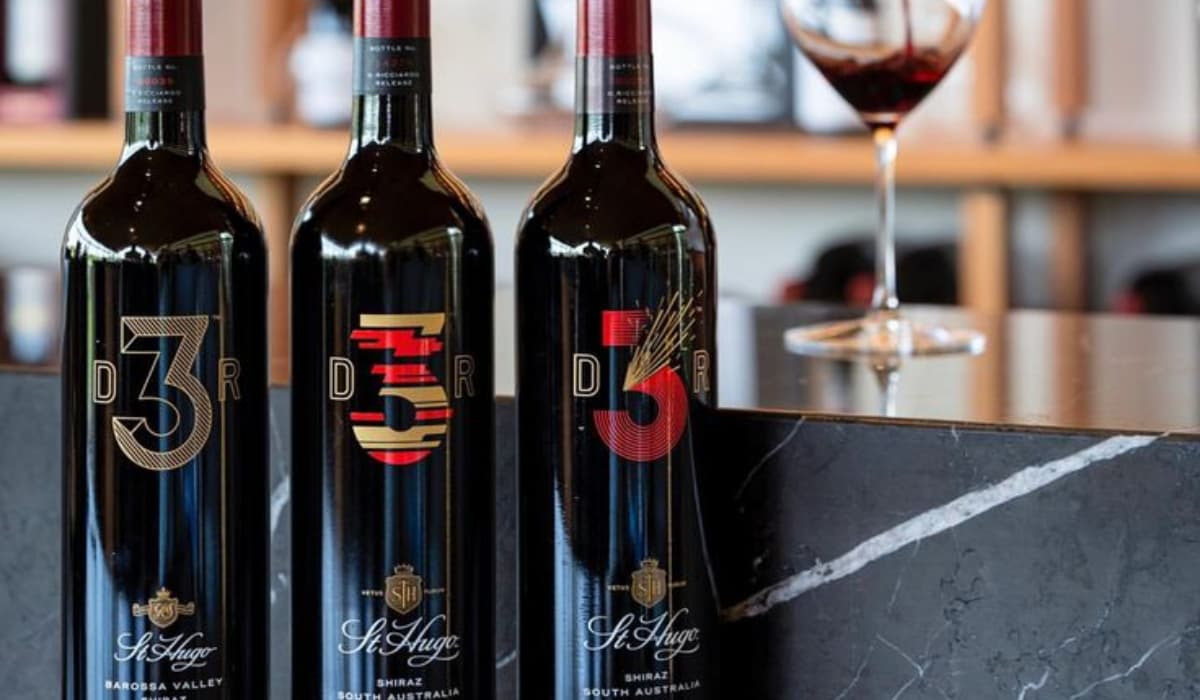
Dry wines generally contain fewer calories compared to sweeter wine varieties or dessert wines. Wine also tends to encourage slower drinking, which is another reason many consumers consider it a lighter social-drinking option. Portion size matters heavily, however, because larger pours can increase calorie intake very quickly.
Approx Calories: 120–130 calories per glass
The mixer often matters more than the alcohol itself when it comes to calories. A spirit with soda water usually remains relatively light, while sugary juices, syrups, tonic water, and soft drinks can quickly make the same drink far heavier.
Some of the better low-calorie mixer options include:
At the same time, drinks mixed with cola, packaged juices, sweetened tonic, energy drinks, or cocktail syrups usually contain far more sugar and calories than expected.
One of the biggest mistakes people make is assuming certain alcohol categories are automatically healthy. Drinks like wine, hard seltzers, or vodka soda may be lighter compared to sugary cocktails, but calories can still add up quickly depending on serving size and frequency.
Another common issue is focusing only on the drink itself while ignoring everything around it. Heavy bar food, late-night meals, sugary mixers, and weekend binge drinking often contribute far more calories than one or two drinks alone. Even low-calorie alcohol can become counterproductive when moderation disappears.
Even relatively light spirits can quickly become calorie-heavy depending on how they are served. Drinks that usually contain significantly higher calories include:
Large serving sizes and repeated sugary mixers usually matter far more than the base spirit itself.
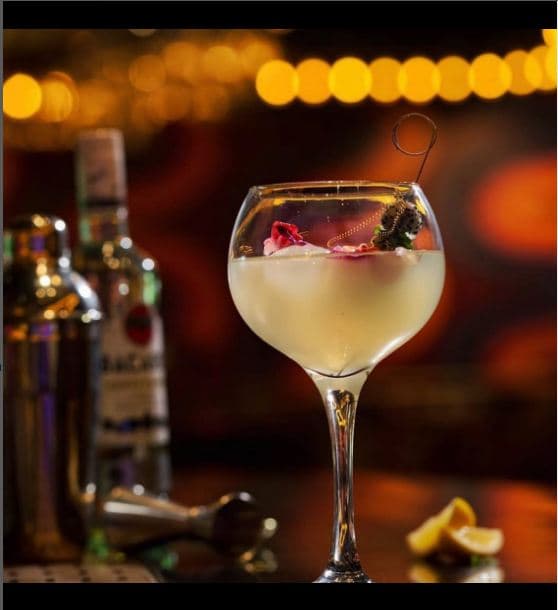
Low-calorie drinking does not necessarily mean avoiding alcohol completely. In most cases, it simply comes down to choosing cleaner spirits, avoiding sugary mixers, and drinking more consciously overall.
Vodka soda, tequila with lime, gin and soda, light beer, and dry wine continue to remain some of the most practical lower-calorie alcoholic drink choices available in India today. At the same time, moderation still matters far more than the specific drink itself.
.jpg&w=3840&q=100)