
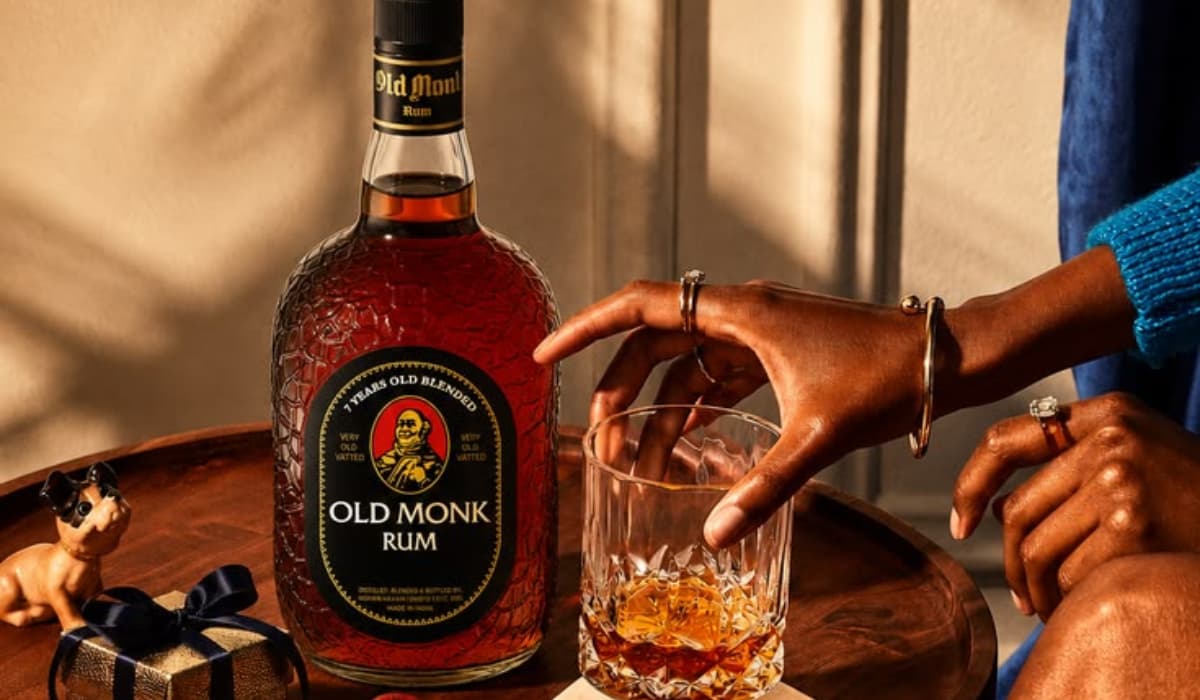
Old Monk, one of India's best-known rum brands is at the center of a regulatory dispute in Maharashtra. The FSSAI has objected to the labeling of certain Old Monk products, which they believe should be described as 'rum-like' rather than 'rum.' The matter has now come before the Bombay High Court, with the manufacturer challenging the restrictions on the sale of the product from its Maharashtra plant.
The issue has also raised serious financial concerns, with Mohan Rocky Springwater Pvt Ltd (the manufacturer in the case) claiming that the restrictions have resulted in losses of over Rs 500 crore. Does that mean Old Monk is no longer rum in India? The answer is more nuanced, as the dispute is really about the ingredients, the use of flavoring, and the way an alcoholic drink is presented to the consumer.
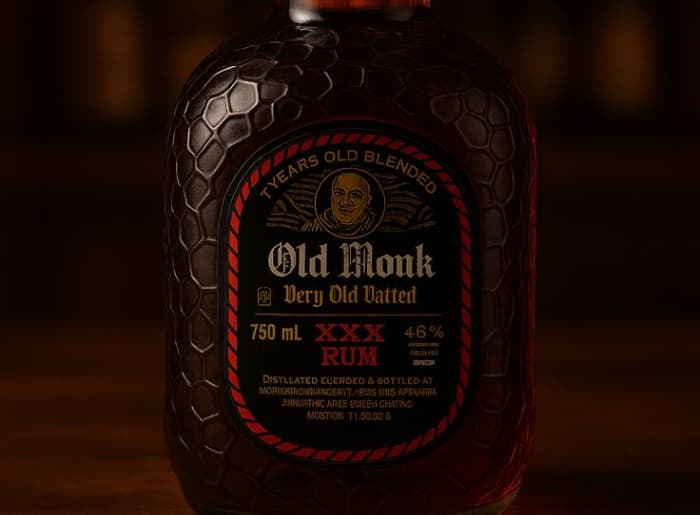
The FSSAI and Old Monk dispute began it raised concerns about certain Old Monk products produced at a plant in Thane, Maharashtra. Lab tests revealed the use of artificial or nature-identical rum flavoring in the products, and therefore, they could no longer be classified as rum.
FSSAI contends that the addition of rum flavoring will, in fact, alter how a consumer perceives a spirit's composition. The regulator's position is that such products should be appropriately labeled (e.g., "rum-like" or containing added rum flavor). The manufacturer has opposed the regulator's view, and the matter has now come before the Bombay High Court.
The 'rum-like' label is at the heart of the dispute, as it distinguishes a product marketed as rum from one that merely has a rum-like flavor or character. FSSAI's objection is that the ingredients and method of manufacture of the products in question would entitle them to the 'rum-like' label. The regulator's view is that the consumer should be able to identify when flavoring has been added to give a rum-like character.
This by no means indicates that every bottle of Old Monk has been reclassified or that the brand can no longer sell rum in India. The reported restrictions pertain to products made at the facility at the center of the dispute in Maharashtra. The issue is whether those products satisfy the relevant labeling requirements and how their composition is to be disclosed to consumers.
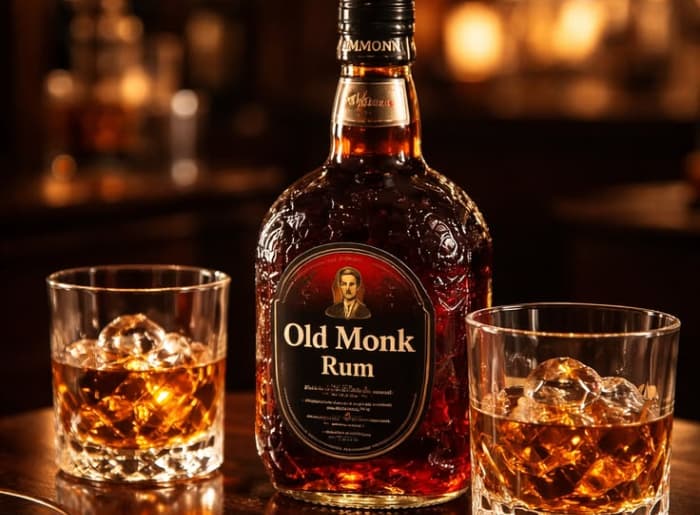
At the Bombay High Court, senior advocate Venkatesh Dhond, for Mohan Rocky Springwater Pvt Ltd, stated that the restrictions on sales from the Thane plant had caused the company to incur losses exceeding Rs 500 crore. The company also indicated that around 300 employees had been affected and were out of work.
The manufacturer also submitted that the Maharashtra excise department had effectively lost Rs 350 crore in revenue as a result of the restrictions. Those figures were the manufacturer's own submissions during the course of the litigation and should not be taken as indicative of actual losses suffered. The manufacturer was also at a loss as to why similar products were being sold in other states while the Maharashtra products in question were not.
The matter came before the Bombay High Court on October 12, 2026. ASG Anil Singh for FSSAI said sales could go ahead if the manufacturer was willing to alter the labels of the product in question from 'rum' to 'rum-like.' The regulator's position was always going to focus on how the product was described to the consumer.
The manufacturer opposed the requirement and was seeking relief from the restrictions. The High Court had previously refused an immediate interim stay of the prohibition. With no agreement reached regarding the new labeling, the matter was before the Court for further consideration.
Looking for the perfect rum drinks on a rainy day? Explore the best Old Monk cocktails for monsoon season, from comforting classics to easy mixes you can make at home.
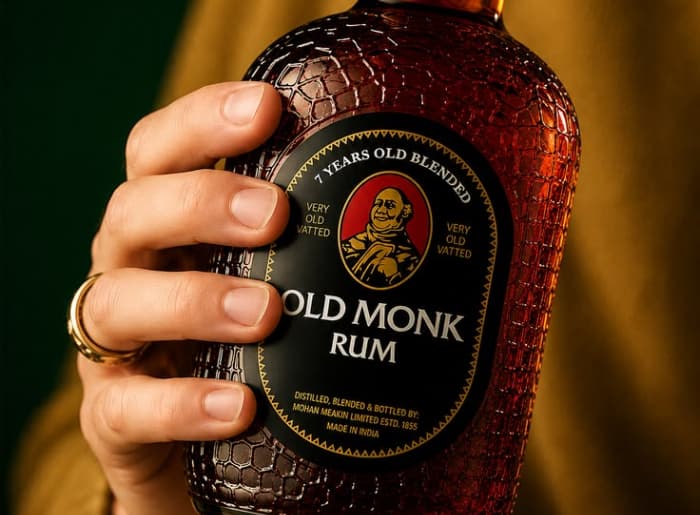
As part of earlier attempts to resolve the dispute, the manufacturer had also offered to revise the labeling. As reported by India Today and CNBC-TV18, the proposed changes would have removed age descriptors such as '7 years old blended' and 'very old vatted.' The company also agreed to clearly state that 'added flavor' was present on the packaging.
FSSAI didn't accept the revised labeling. They remained concerned about the use of added rum flavoring and how the product was being presented. They also believed that some of the age statements might lead consumers to believe that the entire blend had aged for the period stated on the label.
There is no nationwide ban on Old Monk, according to reports of the dispute. The restrictions referenced in the court documents pertain to sales from the manufacturer's facility in Maharashtra. The company's lawyers have made it clear that Old Monk was still being sold in other states despite the restrictions on products from the Maharashtra facility.
This is a crucial distinction, as the dispute doesn't automatically change the classification or legal status of every Old Monk product available in India. You may come across different products, manufacturing locations, and labeling across various markets. The outcome of the case will determine how the disputed products may be marketed and sold in accordance with the applicable regulatory regime.
The Old Monk case is a prime example of the importance of accurate labeling in the Indian spirits industry. The consumer looks at the label, and that's what they're buying. They're buying a certain type of spirit, with a specific set of ingredients and claims about maturation. If the issue involves the addition of flavoring or the method of production, then the language on the bottle can have huge commercial significance.
This raises questions about how labeling requirements are interpreted and applied by different manufacturers and across different products. For alcohol manufacturers, it could impact packaging, distribution, and sales. For regulators, it's about making sure that product labeling gives clear information without misleading consumers about what the product actually is.
Wondering why popular liquor brands are facing restrictions? Explore the FSSAI dispute involving Old Monk, Bagpiper, and Royal Challenge over artificial flavoring and labeling concerns.

According to the reports published on October 13, 2026, the Bombay High Court agreed to hear the matter on its merits on October 23. The manufacturer is seeking relief from the restrictions, while FSSAI continues to insist that the disputed products carry labeling indicating the presence of added rum flavoring.
The outcome could determine whether the affected Old Monk products can resume sales under their existing labels or require label changes. Until the court reaches a decision, the dispute remains unresolved, and the manufacturer's reported financial losses remain claims made during the proceedings.
Growing up in India, Old Monk was one of those names you heard long before you knew much about rum. It’s a brand that has always felt familiar, almost like something that would never change. So, when I came across the news of its labeling dispute, I was genuinely surprised. It felt strange to see a rum that generations of Indians have known and loved suddenly facing questions about its identity. That curiosity is what led me to explore the controversy and understand what it really means for a brand that has become such a recognizable part of India’s drinking culture.
Old Monk has not ceased to be rum across India. The current controversy concerns FSSAI's objections to the labeling of certain products manufactured in Maharashtra, particularly the use of added rum flavoring and descriptions that the regulator considers potentially misleading. The disagreement has resulted in sales restrictions and a legal challenge before the Bombay High Court.
With the manufacturer claiming losses exceeding INR 500 crore and the next hearing scheduled for October 23, 2026, the case has implications beyond a single brand. It highlights the commercial importance of labeling requirements and the need for clarity about what consumers are buying. For now, the outcome will depend on the court's consideration of the competing arguments.