
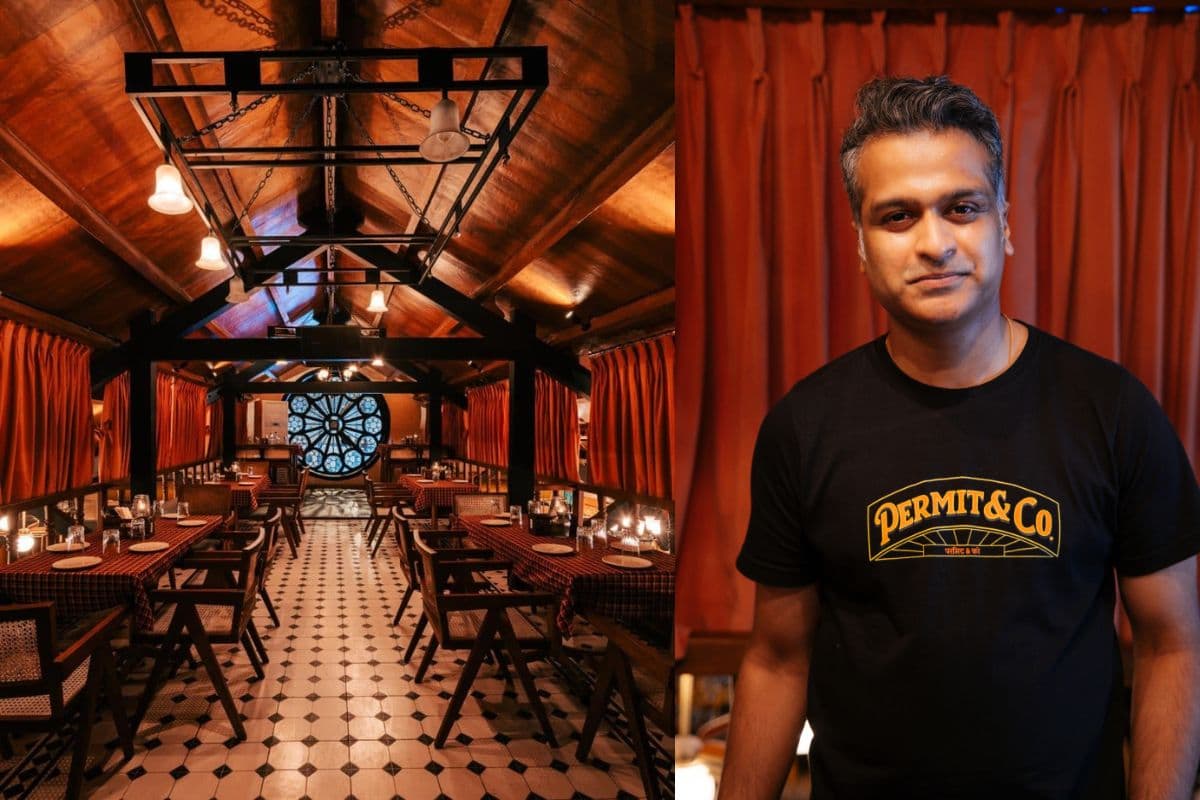
In an era dominated by hyper-modern lounges and glamorous nightlife fads, Aditya Hegde is building spaces that are far more than that: places that evoke memory and nostalgia. From the classic charm of Gymkhana 91 to the reinvented permit room ethos of Permit & Co., he has mastered the art of transforming vintage cultural roots into dynamic destinations. For him, retro is not just a decorative aesthetic; it is a living entity that bridges generational divides, which allows people to live in an era they could not live in! We, at unsobered, got this opportunity to discuss hospitality, vintage roots, and the Gen-Z approach with him.
unsobered: From Gymkhana 91 to Permit & Co., nostalgia has been a central narrative in your projects. Why do you think modern Indian consumers, especially Gen Zs, are so drawn to retro, heritage-driven spaces over sleek, hyper-modern bars?
Aditya Hegde: Nostalgia, to me, isn't an accent; it's an entity of its own. What I find fascinating with Gen Z is that the memory doesn't even need to be lived; they're drawn to an era they never knew, almost inheriting it rather than remembering it. That's the thread running through Gymkhana 91 and Permit & Co.
Both made the leap from an old-school eatery to a new-age cocktail bar, but never let go of that permit room narrative. Because no matter how far you modernize, a heritage-driven space will always pull you back in time, whether it's a time you lived, or one you simply wish you had.
unsobered: Nostalgia sells, but it can also age quickly. How do you ensure a retro-inspired concept stays relevant and fresh once the initial curiosity wears off?
Aditya Hegde: Nostalgia is the foundation; it's why people want to walk in. But the menu can't stay frozen in it; it has to grow with time. We did a Mangalorean menu in 2025, a Northeast menu in 2026, with cocktail programs evolving alongside.
The permit room narrative stays constant, but what's new each time keeps guests coming back: our monthly permit room crawl, bar takeovers with names like Paro from Jaipur, or a food takeover by Sando Club from Bangalore. Nostalgia sets the mood; food and alcohol carry the rest.
Also Read: Mumbai’s Luv Restaurant Launches First Cocktail Menu; In Conversation With Chef Akash Deshpande
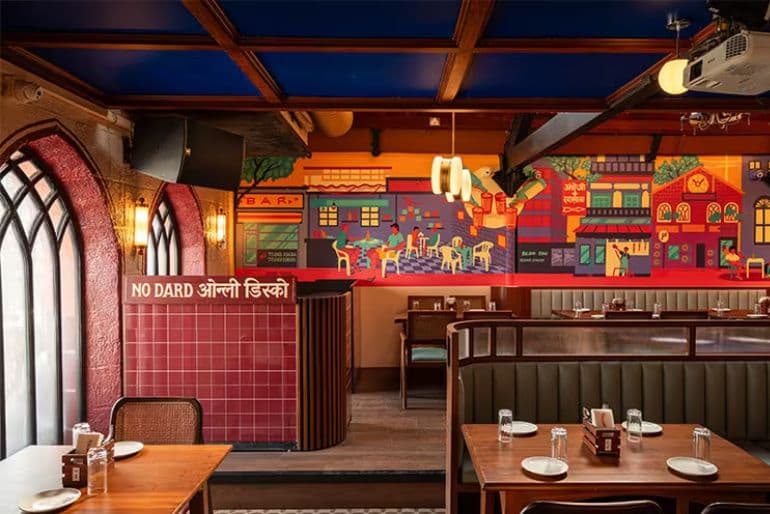
unsobered: Permit & Co. has woven hyper-local ingredients like Pallonji-style raspberry sodas and Campa Cola-inspired mixers into craft cocktails. Is "local flavor nostalgia" becoming India’s biggest competitive advantage against imported spirit trends?
Aditya Hegde: There's a genuine hyper-local revival happening in India in what we wear, eat, and drink. Pumpkin and sunflower seeds were once dismissed as idle; today they're celebrated as superfoods. Campa Cola is being rediscovered, Ayurvedic products like Ashwagandha and Shilajit are thriving, and homegrown spirits like Stranger & Sons, Pistola, and Indri are now competing globally. That's a real shift.
So yes, I do believe local flavor nostalgia is becoming India's biggest edge over imported spirit trends. Anything that brings back a genuine memory, a Mangola, a Campa Cola, a Pallonji, deserves a place on our menu. And there's a lot more coming from us in this direction for the city, in the months ahead.
unsobered: Gen Z drinks differently than Millennials and Boomers; they're often more health-conscious, value-driven, and quick to spot gimmicks. How has your approach to beverage design changed when catering to this generation?
Aditya Hegde: Gen Z is a generation with real spending capacity; they're not price-conscious so much as value-driven. But they move with trends fast, and those trends don't last more than a few months, unlike with millennials or boomers. They're also the first generation with real influence over where their parents choose to go out, something we never saw before.
This has changed our approach to beverage design in two ways: we've had to get far more deliberate with the mix of alcoholic and non-alcoholic offerings, and we've had to sharpen our attention to detail. This generation reads a storyline quickly and doesn't forgive a lazy one; you can't take them for granted. Every drink has to be thought through with real intent.
Also Read: Meet Karishma Manga Bedi: Founder Of IDAAYA, India’s Award-Winning Rum
unsobered: Low-ABV cocktails, non-alcoholic craft sodas, and mindful drinking are gaining traction globally. How is the Indian market responding to this shift, and is "sober-curious" culture becoming a real commercial force here?
Aditya Hegde: Low-ABV, craft non-alcoholic drinks, and mindful drinking are genuinely gaining traction in India, and it's a shift I welcome. People are as thoughtful about sugar now as they are about alcohol content, and I believe low-calorie, low-sugar is where things are headed, across cocktails, mocktails, and sodas alike, because the driver underneath it all is the same: people making a conscious, caring choice for themselves.
Is "sober-curious" a real commercial force here? I'd say yes, but I don't see it staying still. I think this generation eventually circles back to alcohol, just with more intention, drinking to enjoy rather than to get drunk. What I'm certain of is that experience will lead the way ahead. If what you offer is built around a genuine experience, the story, the ritual, the craft, people accept it warmly, without any taboo attached to whether there's alcohol in the glass or not.
unsobered: How do you transition a venue’s energy, through lighting, sound BPM, and service tempo, from a relaxed daytime casual diner into a lively night-out destination?
Aditya Hegde: Sound: In the afternoon, we keep things soft, maybe Prateek Kuhad or Kishore Kumar, where the music is there but you can still have an easy conversation. As evening comes in, we start moving into ABBA and Michael Jackson, then maybe Backstreet Boys and Lucky Ali. Later you’ll hear Bappi Lahiri, and depending on the crowd, the night can eventually move towards Afrobeat or Afro tech. It’s quite an unusual mix for Bombay, but somehow it works for us.
Lighting: The lighting follows the same journey. Afternoons are brighter, warmer and more functional. As evening sets in, the overhead lighting starts coming down and the bar lighting becomes warmer. By the time you’re hearing Bappi Lahiri, the space feels much moodier and more like a bar.
Service: Lunch is naturally more relaxed. People take their time, and the pacing is slower. As we move into the evening, the floor picks up as well. Resets become quicker, more shareable plates start coming out, and there’s more energy in the room.
The important thing for us is that none of these changes should feel sudden. You shouldn’t notice someone turning the lights down and think, “Okay, now it’s night.” The music, lighting, and service all gradually move together.
.jpg&w=1920&q=75)
unsobered: Indian consumers historically preferred "chakna" and small bites over sitting at a bar with just a drink. How has bar-snacking evolved into a serious culinary category?
Aditya Hegde: Bar snacking in India has always been very regional. Chakna isn’t one universal thing. What you eat with a drink in Mumbai can be completely different from what you’d have in Delhi or Kolkata. These small bites developed for a reason, and very often they’re salty, spicy, or tangy because they work well between sips.
At Permit & Co., we call it “time pass”, and then the chakna starts. Our current menu plays with that idea through dishes like Lotus Root Kurkure, Permit Chaat topped with Alu Bhujia, and hummus with curry flavours served with Kichiya.
I think what has changed is how seriously bars now take this part of the menu. Earlier, chakna was just something you automatically had alongside your drink. Now there’s much more thought going into it.
Also Read: Meet Vaniitha Jaiin: The Trailblazer Redefining Craft Spirits Landscape In India
unsobered: In an era of QR codes, digital menus, and reservation apps, how important is old-school, human hospitality in building a loyal customer base?
Aditya Hegde: QR codes, digital menus, and reservation apps are useful, but at the end of the day they’re just the first point of contact. They can make things easier, but they can’t build the relationship for you. That still comes down to people.
At Permit & Co., we’ve always tried to have a “feel like home” philosophy. If someone wants something that isn’t exactly on the menu and we can make it happen, we will. The idea is that the guest should feel genuinely looked after rather than just served. Nearly 50% of our guests are repeat customers, which is something we’re very proud of. Our staff remembers guests and, equally, guests remember the staff.
Technology can make hospitality more efficient, but I don’t think it can replace that human connection.
unsobered: Operating a bar concept in India comes with licensing, excise, and operational hurdles. What is one regulatory change you believe would transform India’s nightlife and bar culture for the better?
Aditya Hegde: There are two regulatory changes I’d really like to see.
The first is a single window, digitised licensing system. Ideally, you should be able to go onto one portal that connects excise, police, BMC and fire, and verifies everything required for a property. Right now, operators spend a huge amount of time going from one agency to another. It’s not only frustrating, but it’s also expensive. When a new venue is sitting there waiting for approvals, you’re burning through capital before you’ve even properly opened.
The second would be designated late night zones in non-residential areas, with a limited number of extended hour licences available within each zone. I think that could work for everyone. Operators get clarity on where late-night businesses can function, the government has a cleaner system for allocating licences, and law and order becomes easier to manage because nightlife isn’t scattered everywhere.
About Permit & Co.
Permit & Co is a casual dinning bar in Mumbai co-founded by Aditya Vijay Hegde along with his brother Adesh Vijay Hegde. It brings back Bombay's old-school nostalgic permit room drinking culture.
Address: 1st Floor, Raghuvanshi Mills, Senapati Bapat Marg, Lower Parel, Mumbai.
Timings: 11:30 AM to 1:30 PM
Cost For Two: INR 1,800