
Gin was once seen as a category that was dominated by the larger international brands, especially in India. The rise of homegrown brands and their willingness to experiment with local flavors, fruits and botanicals has allowed India to develop its own range of premium craft gin brands.
If you’re looking for the perfect bottle, with the perfect balance and most importantly at the best price possible? These premium homegrown gin brands give you a variety of different styles such as classic London Dry to contemporary Indian expressions.
Generally, premium gin is linked with rare and selected botanicals, a distinct production method not rarely accessible to most and a very specific flavor profile. Certain distillers emphasize on traditional recipes and processes while others are sourcing local ingredients and unconventional combinations.
In order to understand the word, “Premium” we must also highlight that we don't necessarily mean the most expensive bottle but rather the quality of the gin. A higher price does not guarantee quality of product. The ingredients, distillation process and the general balance of flavors are more useful when comparing different gins.
As the word suggests, botanicals are herbs, spices, fruits, and any plant based ingredient used to flavor gin. Juniper berries are a great example as they are essential due to the pine like aroma that defines the spirit. Some other commonly used botanicals include coriander seeds, citrus peels, cardamon, angelic root and pepper.
Indian craft gins have taken it a step further by integrating local ingredients such as tulsi, vetiver, and Gondhoraj lime. Each botanical contributes different aromas and flavors, making the recipe central to a gin's identity.
Planning to explore craft gin in India? Find out what you should know before buying your first bottle.
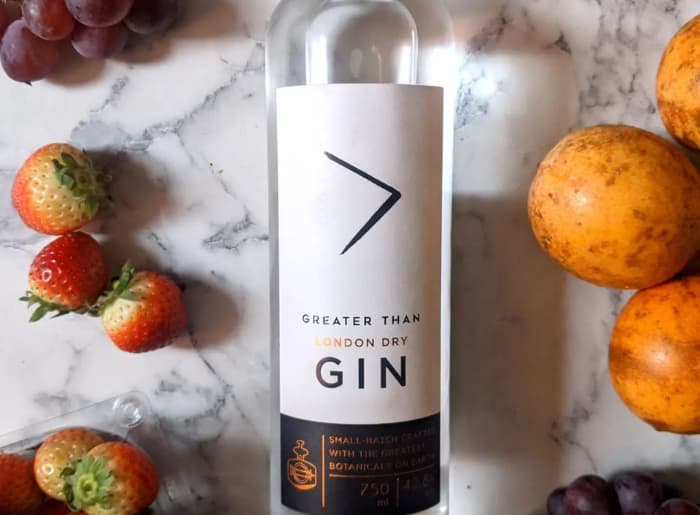
Greater Than was among the early Indian craft gins to make a case for a straightforward, well-made London Dry style. Created by Nao Spirits, it doesn't rely on unusual ingredients to distinguish itself. Instead, its recipe brings together juniper, coriander, ginger, fennel, and citrus peels, allowing the familiar pine-like character of juniper to remain prominent. The citrus adds freshness, while ginger and fennel introduce a gentle warmth and herbal complexity. It is a useful reminder that Indian craft gin isn't always about reinventing the spirit. Sometimes, the distinction lies in how well the traditional elements work together.
Curated by Nao Spirits, Greater Than was amongst the first Indian craft gins and one of the first London Dry style bottles. It leans on juniper, coriander, ginger, fennel and citrus peels, thereby allowing for a familiar pine-like character to remain at the center. Citrus adds freshness while ginger and fennel introduce a general warmth to it. It’s a useful reminder that Indian gin need not always try to reinvent the spirit, the simple distinction lies in the combination of different ingredients.
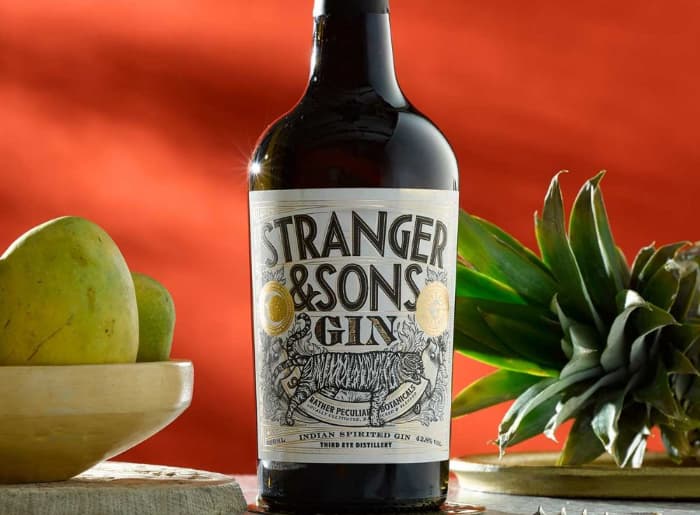
Stranger & Sons approaches gin through the flavors and aromas of India's spice trade. Produced in Goa, it brings together juniper with botanicals such as coriander, pepper, mace, nutmeg, and citrus peels. What makes this combination interesting is the way familiar kitchen spices take on a different character when distilled. Mace and nutmeg contribute warmth without making the gin taste like a spice mixture, while citrus provides a brighter contrast. The result is a gin that acknowledges India's long relationship with spices without allowing any single ingredient to overshadow the others.
Approaching the gin via the flavors and aroma, we have Stranger & Sons. Made in Goa, it is a mixture of juniper with botanicals such as coriander, pepper, mace, nutmeg and citrus peels. This proves to be a rather interesting combination as the familiar kitchen spices mixed with mace and nutmeg give you a gin that does not let any ingredient get overshadowed, giving customers a truly well balanced mixture of warmth, spice and flavor.
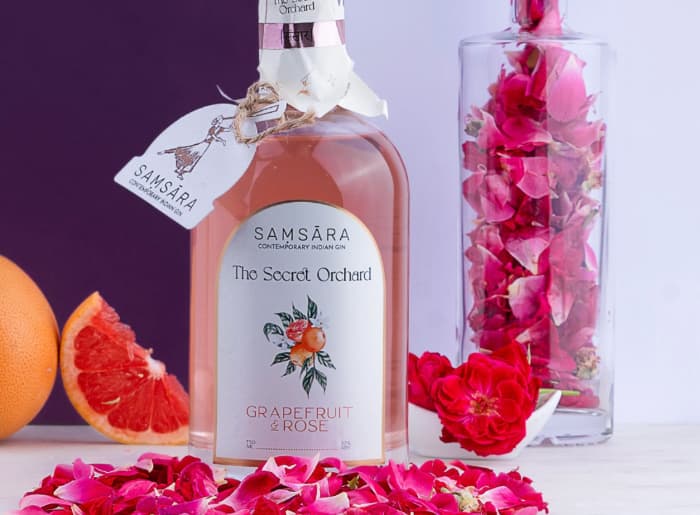
Samsara takes a noticeably different approach from traditional juniper-heavy gins. Its botanical selection includes rose petals, vetiver, hemp seeds, and cardamom, ingredients that create a more layered aromatic profile. Rose introduces floral notes, while vetiver contributes an earthy quality that keeps the fragrance from becoming overly delicate. Cardamom adds a familiar Indian spice character, bringing the different elements together. Rather than treating juniper as the only flavor worth noticing, Samsara gives other botanicals room to express themselves, making it an interesting example of India's contemporary gin-making approach.
The aroma is at the center, with a mixture consisting of a botanical selection of rose petals, vetiver, hemp seeds and cardamon, these ingredients create a more layered aromatic profile. Samsara gives other botanicals the chance to shine as opposed to sticking to traditional sources. While rose introduces floral notes, the vetiver gives an earthiness to it that is well balanced out with the Cardamom spice flavor. It is an interesting example of how India’s gin making landscape has been evolving.
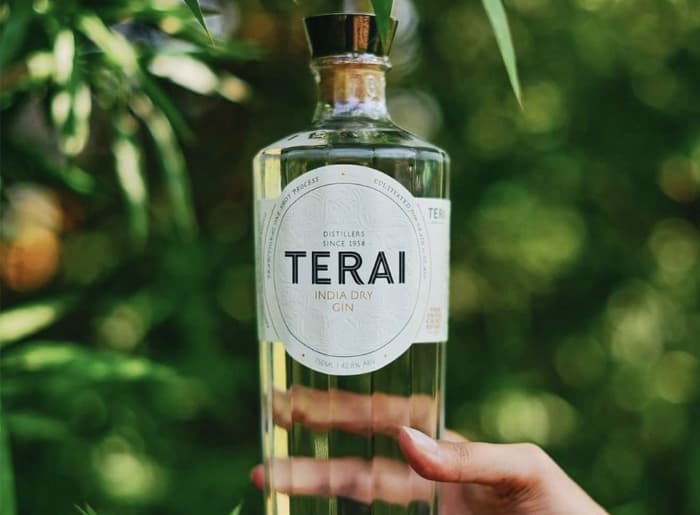
Together, they create a gin whose identity comes from the relationship between its ingredients rather than one dominant botanical.
This one draws on India’s agricultural traditions and its botanical diversity. Made in Rajasthan, using botanicals such as tulsi, lavender, rose, coriander, fennel and juniper. Consider it a combination of ingredients that associate with different culinary and aromatic traditions. They create a gin which has developed a distinct identity between ingredients rather than having one dominating aroma.
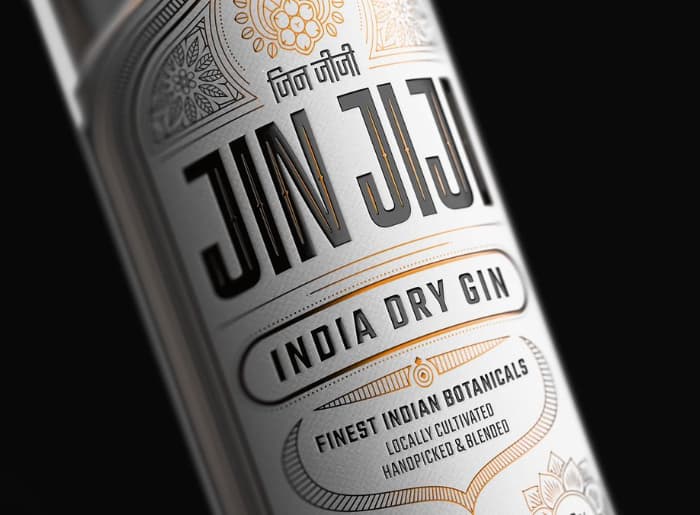
Jin Jiji used botanicals that are not commonly used with gin recipes. While the Himalayan juniper provides the basic foundation, other botanicals such as tulsi, chamomile, black tea and cardamom give it an aroma that is distinct and instantly recognizable. Black Tea is especially intriguing as it brings a familiar household and pairs it with a softer floral like Chamomile. Combinations like this reflect an understanding of gin making and the inspiration behind it.
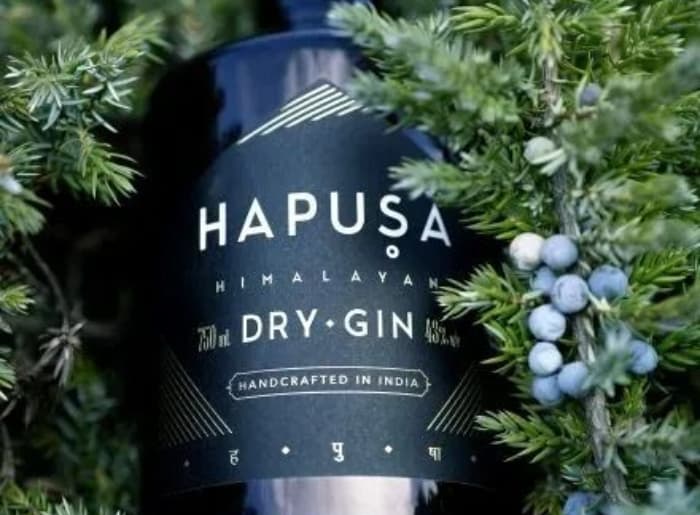
No coincidence here, it is derived from the Sanskrit word for juniper, a good choice for a gin built from Himalayan variety botanicals. It is a combination of turmeric, ginger, mango and Godndhoraj lime. Hapusa associates itself with earthy and pine-like notes. Its main appeal is in how its ingredients work together to create a character that feels rooted in the landscapes and flavours of India.
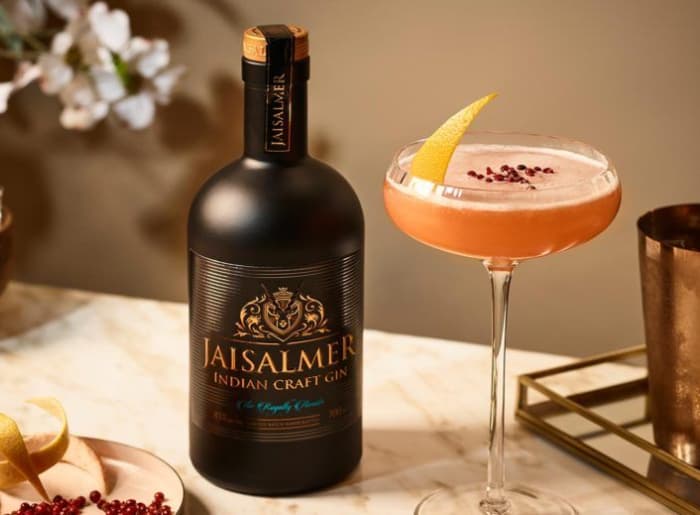
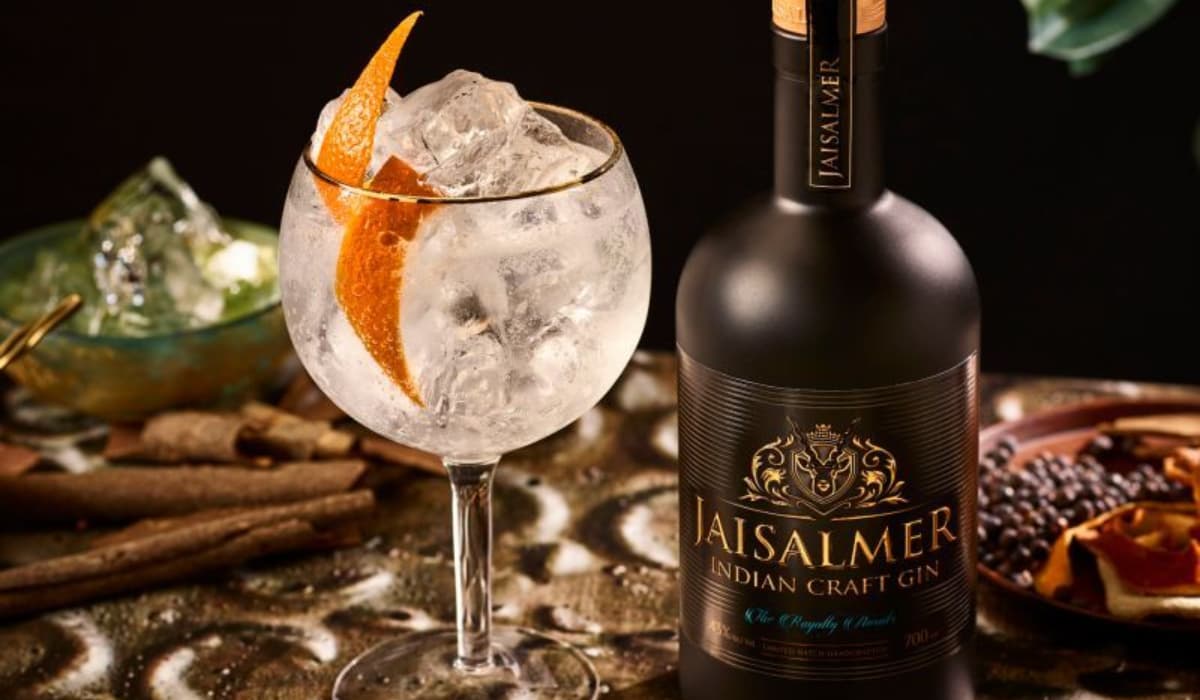
Named for the historic desert city in Rajasthan, the recipe for this gin combines botanical recipes, Indian herbs and spices. Produced by Radico Khaitan this gin leans into the interplay between citrus and herbal notes while employing other botanicals such as juniper, coriander, lemongrass and vetiver. The connection to the desert city is not merely a visual identity but a representation of the flavors and aroma’s you find across the city.
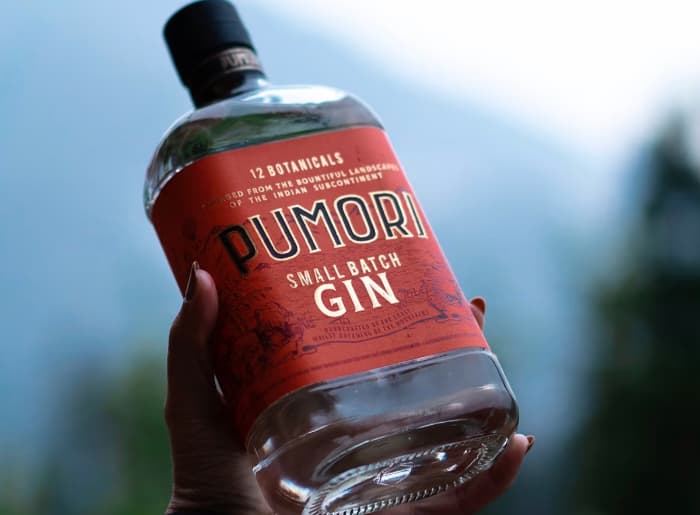
Pumori takes its name from a Himalayan peak, and its botanical selection reflects that geographical inspiration. Produced in Goa, the gin uses Himalayan juniper alongside ingredients such as Gondhoraj lemon, rosemary, cardamom, and vanilla. Gondhoraj lemon is particularly significant because of its intense, distinctive citrus aroma, which differs from the more conventional lemon peel found in many gin recipes. Rosemary adds a savory herbal dimension, while cardamom and vanilla contribute warmth and softness. The combination brings together ingredients with contrasting aromatic qualities, giving Pumori a character that extends beyond a conventional citrus-forward gin.
Named after a Himalayan peak, Pumori Small Batch Gin is produced in Goa and uses Himalayan juniper as its base alongside Gondhoraj lemon, rosemary, vanilla and cardamom. The Gondhoraj lemon gives it an intense and distinctive citrus aroma, while rosemary is your savory herb and cardamom and vanilla offer it, its warmth and softness. This combination gives Pumori a character that is distinctively different from its counterparts.
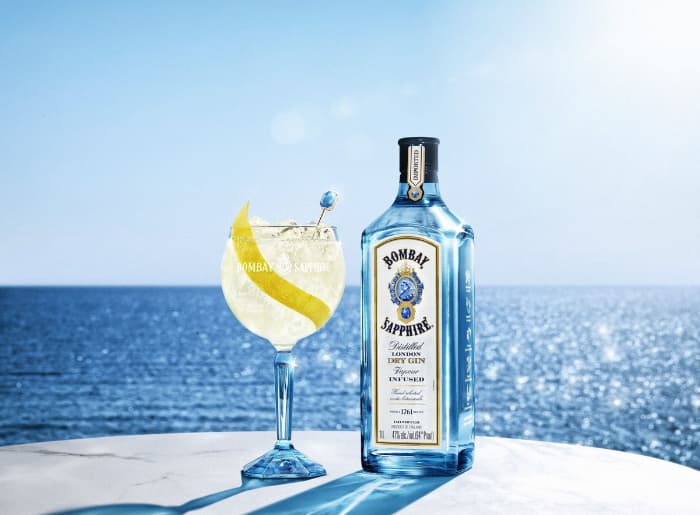
This gin took the relation between Bombay and the No.10 a bit too seriously, but nobody ever said that was a bad thing. This gin uses ten botanicals, including juniper, coriander, lemon peel, cubeb berries and grains of paradise. The production of this gin is slightly different as instead of boiling the botanicals directly into the spirit, the production employees vapor infusion to allow the vapor to properly pass through them and carry their aroma. Bombay Sapphire has a more intricately woven together character, thereby creating a profile that is not only distinct but also deceptive in the right way.
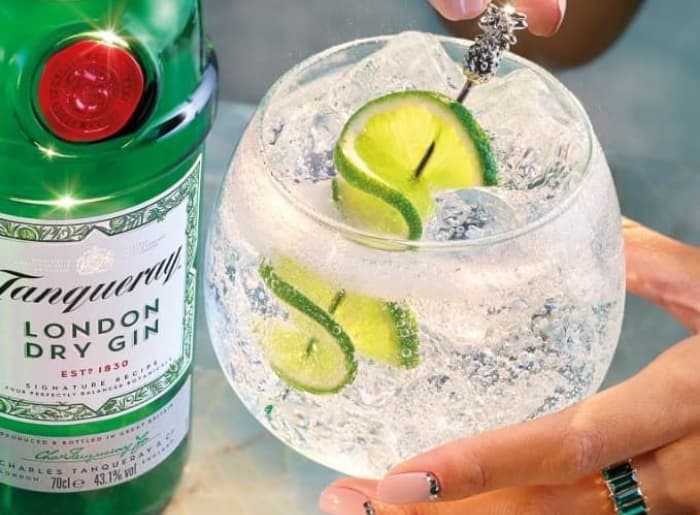
One of the oldest brands in the gin category, Tanqueray London Dry Gin was established by Charles Tanquerary in London in 1830. Built around just four ingredients, juniper, coriander seeds, angelica root and licorice root. It has a pine-like character while the coriander adds a subtle citrusy spice and the angelica gives it its earthy depth. It gains its identity from a relatively straightforward recipe showcasing of even a small selection of botanicals when paired right can create one of the best and longest-lasting gin brands.
Ever wondered what makes Indian craft gin different from London Dry Gin? Discover the key differences.
While London Dry gin follows a specific approach in terms of production requirements, it is generally the one associated with the most prominent juniper characters. In spite of the name, it does not have to be produced in London, examples of this style of production are Bombay Sapphire and Greater Than.
Contemporary gin covers a broader range of expressions that allows it to lean towards more botanical first characters such as citrus, flower or herbs. Samara is the perfect example for this, given the floral and earthy notes.
State-level excise duties, taxes, distribution arrangements and retail regulations are all a major part of why premium gin prices vary across the country. Imported gins are also being directly affected by the newer alcohol pricing policies, and various state governments have issues. The size of the bottle matters too, even when comparing 700ml and 850ml products.
Curious about Indian craft gin? Discover how Hapusa, Samsāra, and Cherrapunji compare in botanicals, flavor profiles, and pricing.
If you understand botanicals, it will help you always pick the perfect bottle of gin. Of course learning about the different types of botanicals might not be something you want to invest time in, so let us make it easy for you. If you enjoy the traditional pine-like flavors, look no further than Greater Than or Bombay Sapphire. If you like your gin with more floral or herbal notes, Samsara and Terai offer you distinctive botanical combinations. Looking beyond the brand name and at the ingredients, it isn’t something we do often but it tells you a lot of your own personal choices.
The information presented in this article has been sourced from the official websites of Nao Spirits, Stranger & Sons, Samsara Gin, Terai Gin, Jin Jiji, Radico Khaitan, Pumori, Bombay Sapphire, and Tanqueray. Additional references include Condé Nast Traveller India, Livcheers, and WhiskeyPrice.in for indicative gin prices across India. Prices may vary depending on state taxes, bottle sizes, and local availability.
India’s premium gin selection offers customers with a very wide range of options from London Dry expressions to craft gins and the usage of Indian, homegrown spices. While price remains an important consideration for most, understanding the right botanical and production styles can help you compare spirits in a manner beyond just the price of the bottle but actually tailor your drinking experience to your liking.