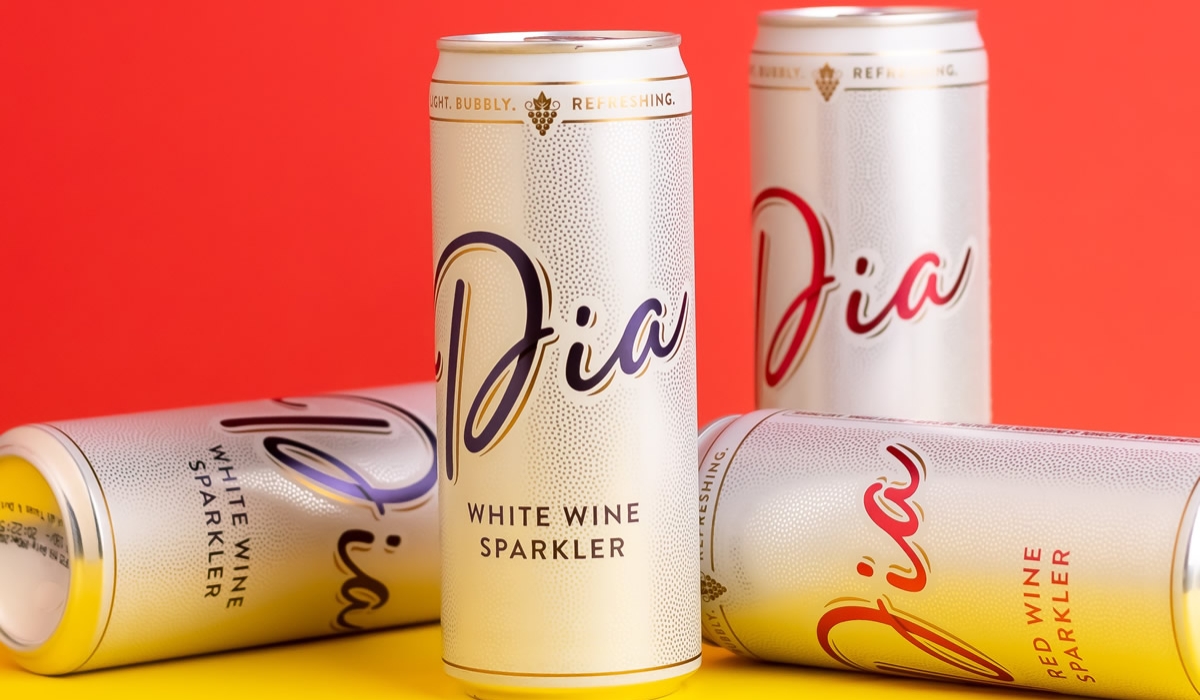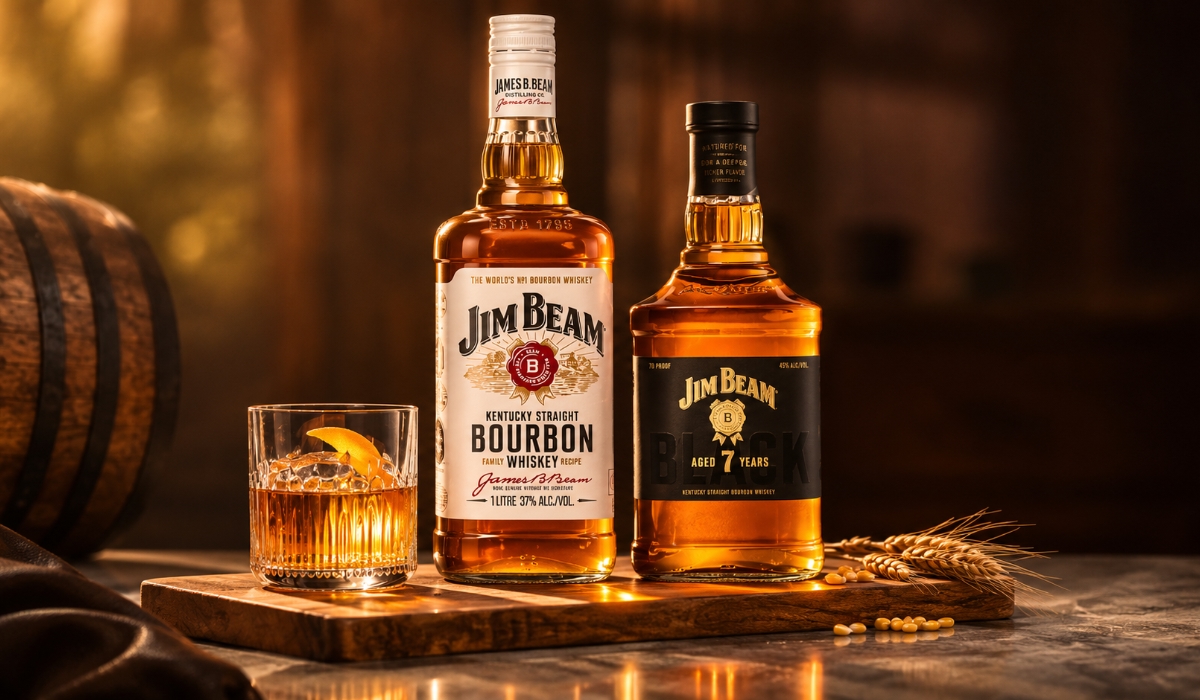


Christmas cake prep often starts well in advance of Christmas with the jars of dried fruit soaking in alcohol. The fruit (raisins, currants, candied orange peel etc.) are what give the cake its character, but the spirit used to soak them can make a huge difference to the flavor. Rum and brandy are still two of the most popular spirits for use in a traditional Christmas cake.
Although they both serve the same purpose in the preparation of the cake they bring very different characteristics to the finished product. Dark rum is generally thought of as being quite caramel and with warming spices whereas brandy brings in a more fruity and aromatic character. So which spirit is best? How long should you soak the fruit for? And what can you use in lieu of either? Let's find out.

Alcohol has a number of uses in traditional Christmas fruitcakes. It's used to soak the dried fruit (raisins, currants, dates, figs, etc.) which softens the fruit and adds its own flavor and aroma. It's very useful in that respect when you're working with the dried fruit. The alcohol also acts as a vehicle for the other flavors in the cake such as cinnamon, nutmeg, cloves, etc.
Alcohol can also be added in after baking via a process known as 'feeding.' Small amounts of rum or brandy are added to the cake as it matures to add to its moisture and flavor. It may also help with the keeping quality of a traditional fruitcake.

Rum is made from sugarcane based ingredients and dark, aged rums can bring through notes of caramel, vanilla, toffee, oak and spice depending on the method of production and maturation. They're particularly good in the Christmas plum cake which contains brown sugar, dates, raisins and warming spices. Dark rum is the rum of choice for those who want a richer cake and spiced rum will add a touch of cinnamon, vanilla or clove.
Brandy is made by distilling wine or other fermented fruit musts. Traditional grape brandy can be quite fruity and floral with notes of vanilla and oak which work very well with dried apricots, cherries, currants and candied citrus peel. Aged brandy will add further dimension without overpowering the fruit. Cognac and Armagnac can of course be used but an expensive brandy is not at all necessary for baking. A fairly good quality grape brandy will be perfectly adequate in the vast majority of traditional Christmas cake recipes.
Ever wondered how eggnog and coquito differ? Discover what sets these traditional Christmas drinks apart, from their ingredients to their cultural origins.
There's no set soaking time for the Christmas cake fruits. Some recipes will tell you to soak them overnight, others will have you getting the soaking process under way days or even weeks before you get to the baking. Mary Berry's classic Christmas cake recipe is a case in point in that it calls for the dried fruits to be soaked in brandy for three days. If you're short on time you can obviously use recipes which involve gently heating the dried fruit with the alcohol and other liquids to achieve a soft fruit without the need for a lengthy soak.
The amount of alcohol required will depend upon the quantity and type of dried fruit you are using. Once the cake has been baked and cooled it can also be fed with small quantities of rum or brandy during the maturation period. Depending on the recipe you may be advised to add one or two tablespoons at either a weekly or fortnightly interval. Too much alcohol will of course leave the cake soggy. Always adhere to the storage and feeding instructions as given in your particular recipe.
Wondering which Indian red wines work best for mulled wine? Explore this Christmas guide to choosing the right bottle for your festive drink.

Rum and brandy can pretty much be used in equal amounts for one another when you're working with spirits of a similar strength. You could also soak the dried fruit in one spirit and then feed the cake with the other. If neither of those is to hand you can actually use a number of other alcoholic drinks and they will all impart a different character to the traditional Christmas cake.
Alcoholic Substitutes:
For an alcohol free Christmas cake you can use a number of alternatives to hydrate the dried fruit and add their own flavour.
Non-Alcoholic Substitutes:
Fortified wines, liqueurs and non-alcoholic versions all vary in their sugar and alcohol content. Fruit juice should not be used in the same way as spirits for extended cake feeding. Alcohol free Christmas cakes will have their own instructions for preparation and storage.
Looking for whisky cocktails that capture the Indian winter Christmas mood? Discover 5 festive drinks perfect for the season.
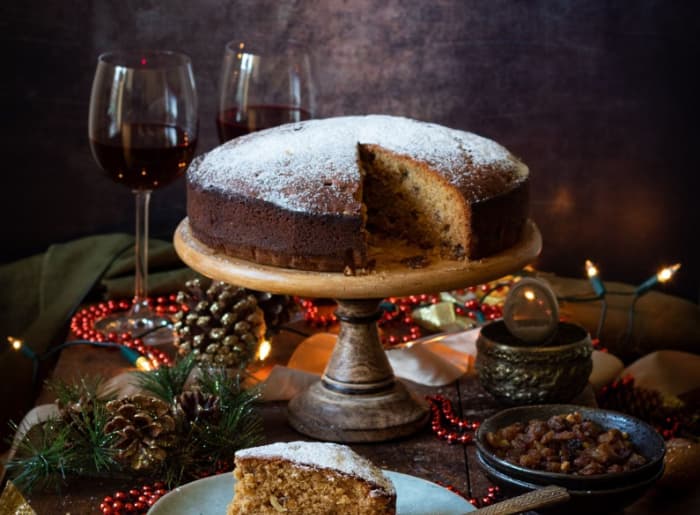
The best spirit to use in a Christmas cake is very much down to the flavor you’re after. Dark rum is probably the best in a rich, heavily spiced cake with brown sugar and dried fruit. Brandy is the way to go if you want the fruit and citrus to come through. You can also of course use both.
It's also important to remember that alcohol doesn't necessarily all evaporate during baking. The amount that remains will depend on the cooking time and the method of preparation. A Christmas cake which has been fed with alcohol after it's baked will also contain alcohol that hasn't gone through the cooking process at all. If you're absolutely keen to avoid alcohol then you're better off with an alcohol free Christmas cake recipe rather than relying on the baking process to get rid of it.
This article's content is drawn from traditional Christmas cake recipes and baking advice from Good Food, BBC Food, Mary Berry, Nigella Lawson and The Guardian. The alcoholic drink classifications are from the FSSAI (Food Safety and Standards Authority of India).
Rum and brandy both have their place in Christmas cake making. Rum works particularly well with richer, spicier cakes whereas brandy is ideal with fruitier cakes. You can use either in the soaking of the dried fruit and you can use either to feed the cake. They serve the same purpose in a way, they're just going to impart different aromas and flavors. It's really a matter of preference, what you're using in the recipe and the character of the cake you're after.