
Have you ever picked up two bottles of the same wine and noticed one says 2020 and the other says 2023? Those numbers aren't arbitrary and they don't necessarily mean the wine was bottled in that year. They're vintage. The vintage is something that tells you a lot about how the wine was made.
But does an older vintage necessarily mean better wine? And why do some bottles have no year on them at all? Understanding what the term 'vintage' actually means can go a long way to helping you make a better-informed choice the next time you're buying wine.
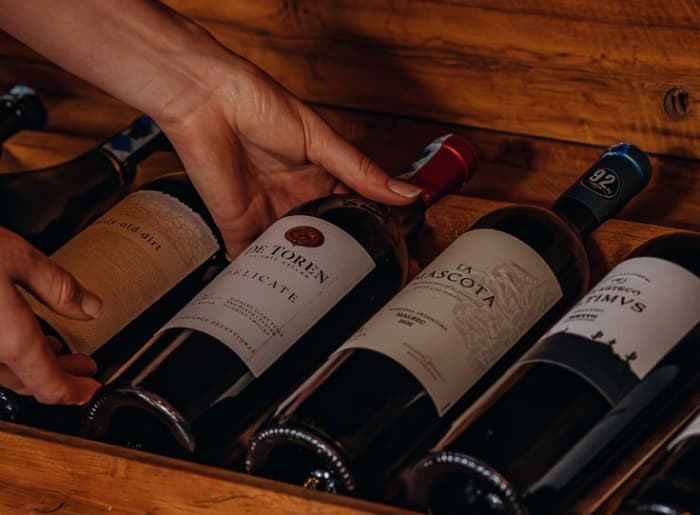
The year on a wine bottle is normally the vintage year, the year the grapes were harvested. So a 2021 bottle would have been made from grapes harvested in 2021. The wine harvest year is not necessarily the same as the bottling or release year. Winemaking is a process which involves fermentation, maturation and in some cases extended aging before the wine is finally ready to be sold. A wine made from 2021 harvest grapes could well be on the shelves in 2023 or beyond.
Another point is that vintage labeling doesn't necessarily mean that every single grape used in the wine came from that year. In many wine producing countries a small proportion of grapes from other vintages can be used. The rules around this vary from country to country.
Wine is an agricultural product so the conditions under which the grapes grow have a massive impact on the finished wine. Temperature, rainfall, sunshine and the time of harvest all have an influence on the way the grapes develop.
A very warm growing season could result in grapes with higher sugar levels and more riper fruit characteristics. Cooler conditions will tend to preserve acidity but may also make it more difficult to achieve full ripeness. Of course, heavy rain, frost,, or extreme heat can all have a bearing on both the quality of the grapes and the quantity we ultimately harvest.
This is why you can have the same wine from the same producer and it can taste very different in different vintages. A 2018 Cabernet Sauvignon might have quite a different balance of fruit, acidity and tannin to the 2020 from the same producer. Vintage quality isn't just a matter of the weather though. Vineyard management, grape selection and winemaking decisions all play their part in the final wine.
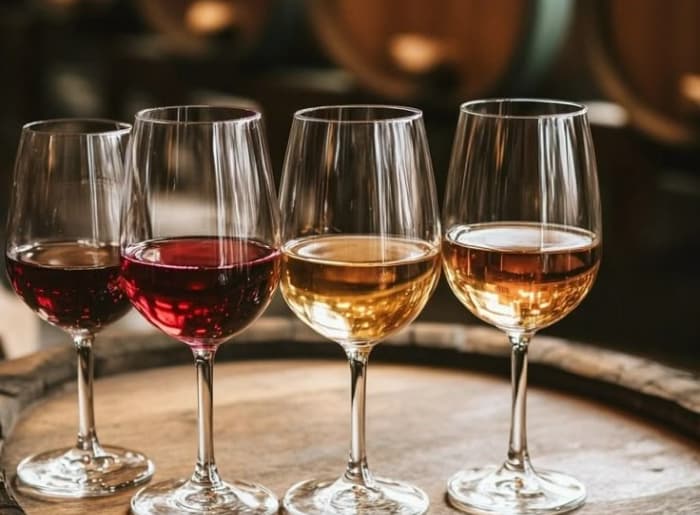
A vintage wine will have the year of the harvest on the label. Non-vintage (NV) wine will not have a single harvest year on the label and may be a blend of wines from different years. This is particularly the case with Champagne. A great many of the Champagne houses will produce a non-vintage Champagne by blending wines from a number of different vintages. The aim is of course to maintain a consistent character across the different years.
Vintage Champagne is all about using grapes harvested in the declared year. It's a complete expression of that year's vintage. Non-vintage doesn't necessarily mean it's of lesser quality though. Some houses will deliberately blend wines from different years to achieve a certain balance and consistency, others will go for a purely vintage expression.
One of the biggest myths out there is that an older bottle is necessarily better. It's not at all true. A lot of wines are made to be drunk young, when the fruit is in and the freshness is there. To keep them for years on end may well be to lose the very qualities that made them good in the first place.
Other wines are made to develop over several years. Some reds with a good deal of tannin and acidity, as well as some of the higher quality whites and sweet wines, are capable of developing with age.
As they age the fresh fruit characters will tend to evolve into more complex ones. That said, even a wine that is clearly one for the cellar has an ideal drinking window and can be damaged by poor storage. A 2024 wine can therefore be a better buy than a 2014 in the right circumstances.
Looking for luxury wines above INR 5,000 in Mumbai? Explore 10 premium wines worth considering and what makes each bottle special.
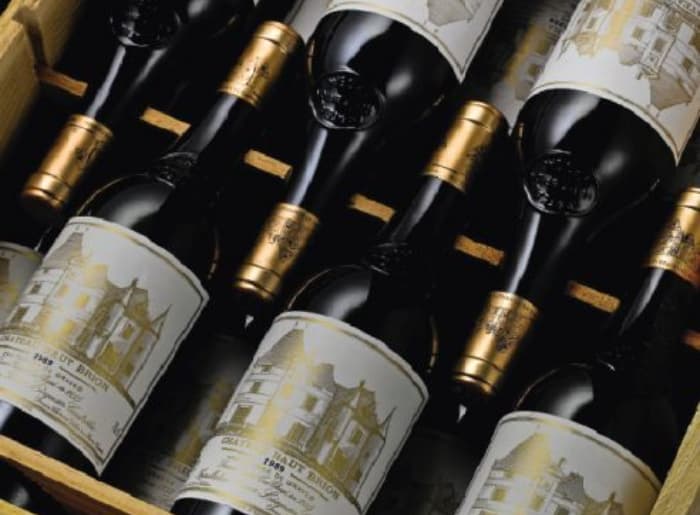
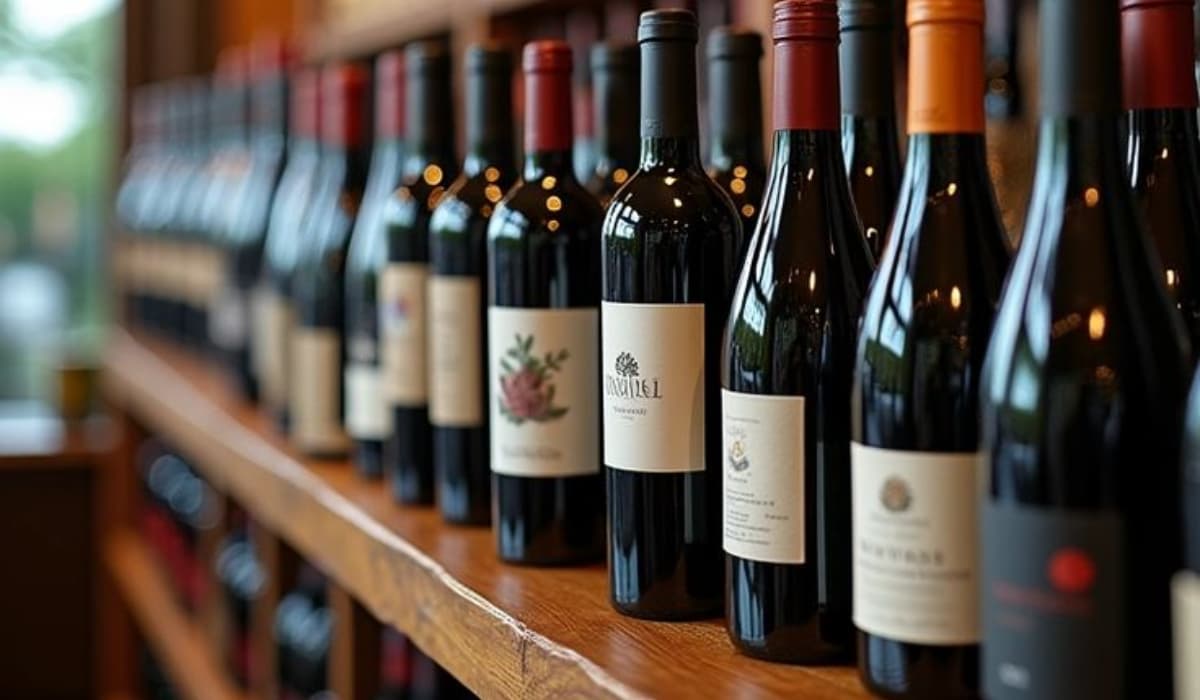
When you're looking at a wine label, the first thing to look for is the four figure year, it is usually located near the name of the wine, the variety and/or the region. That's the vintage. There's one caveat to that though: not every date on a label is the harvest date. Some producers will have their founding year on the label in the form of "Established in 1895" or "Est. 1895" which is simply the year the producer was founded, not the year the grapes were harvested.
The vintage is not to be confused with the bottling date. A producer could pick the grapes in one year, age the wine over the subsequent years and then bottle it many years later. When it comes to vintage selection you have to take into account the region, the grape variety, the producer and the type of wine. For wines you're looking at for aging, the vintage report can be of some assistance in terms of the growing conditions in that year.
Ever wondered if wine expires? Discover how long wine lasts, what affects its shelf life, and how to tell when a bottle has gone bad.
This is all drawn from the OIV guidelines, the WSET materials, the Comité Champagne and the US TTB. The OIV and the WSET have guidance about what constitutes a vintage date, the labeling rules, the impact of the weather on the harvest and the difference between a vintage and a non-vintage wine.
The year on the bottle is normally the year the grapes were harvested rather than the year the wine was bottled or released. That vintage will of course give you some idea of the growing conditions that the wine was grown in.
However an older vintage isn't necessarily better and non-vintage doesn't necessarily mean it's of lower quality. It's important to understand the difference so that you can look past the number on the label and select a wine that you actually like drinking.