
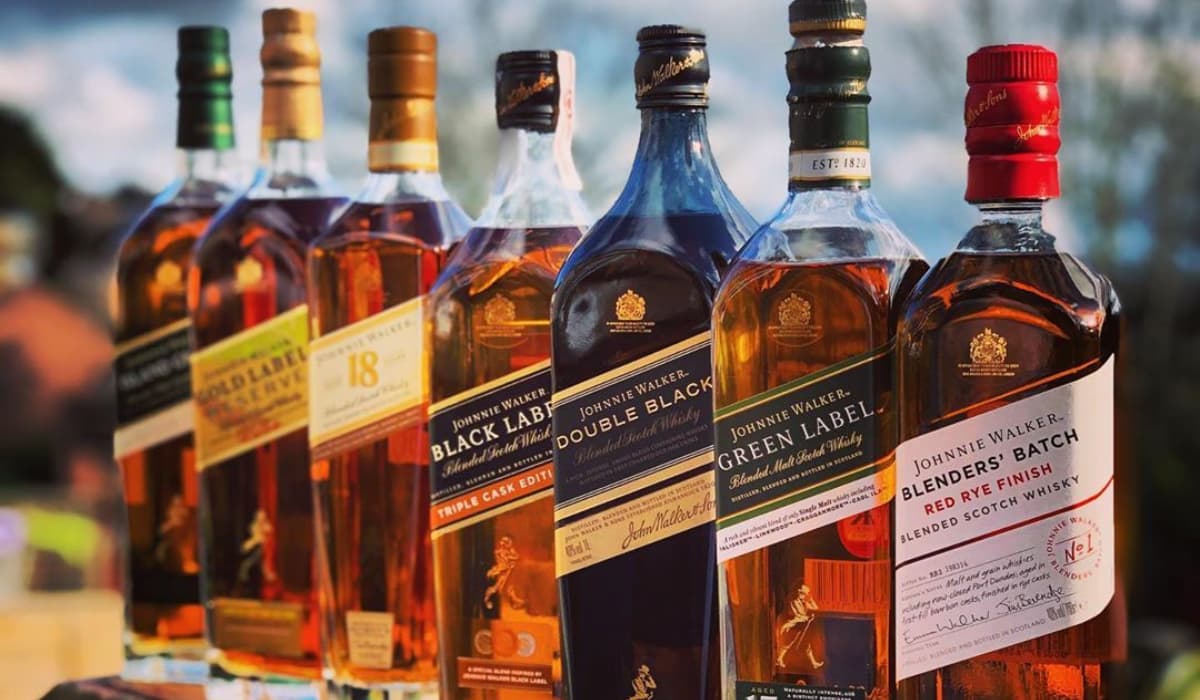
Have you ever been faced with someone's rather impressive collection of whisky and wondered which bottle is actually going to be any good to drink? You might be at a mate's place or you might be in a shop full of bottles all promising all sorts of wonderful things from 'exceptional smoothness' to 'decades of craftsmanship'. Some are absolutely astronomical in price, others are quite reasonable and yet somehow you're expected to know the difference.
But what if you could actually learn a fair bit about a whisky without even opening it? unsobered expert Tanaz Daruwalla has five things she'd recommend looking at on a whisky label before you pour yourself a dram. You don't need to be a whisky expert to understand any of them.
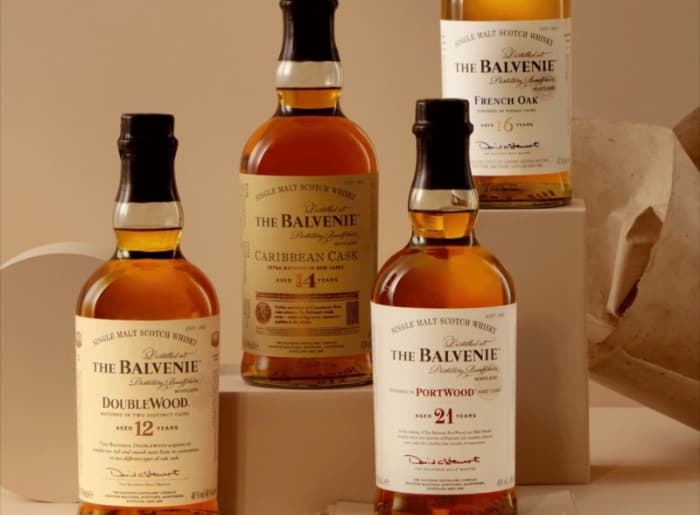
The first thing to check is the name and the info on the bottle. Beyond the branding, you need to work out which distillery the whisky actually came from and where it was bottled. If it says "Distillery Bottling" then that generally means it was bottled by the distillery or by the owner of the distillery. That gives you some idea of its provenance, though again it doesn't necessarily mean it's any better. Independent bottlers can absolutely produce some very good whisky.
Scotland, Ireland, India, Japan, Canada and the US all make whisky but their traditions aren't the same. The country of origin can tell you a bit about how it's made, the ingredients used, and the style. Scotch has to be made in Scotland and matured for a minimum of 3 years in oak casks. American bourbon has its own set of requirements (corn and new charred oak barrels), India has a fairly well established single malt industry growing up. Does one country therefore make the best whisky? Not necessarily. There are all sorts of different styles from each of these countries.
You've no doubt seen bottles with numbers on them like 12, 15 or 18. It's very easy to assume that the higher the number the better the whisky. That's not necessarily the case. The age statement is simply the age of the youngest whisky in the blend. A 12 year old blend may well contain some whisky that's older than 12 years, but it will contain no whisky that's younger than 12. Whisky stops maturing once it's bottled so leaving that bottle in the cupboard for another 10 years won't make it any older.
Ever wondered why whisky changes color? Discover how aging, different casks, and caramel coloring influence the appearance of your favorite dram.
Single malt, blended, grain and rye. You've all heard of these, what they actually mean though? Single malt Scotch is whisky made from malted barley at a single distillery. Blended Scotch is a mixture of malt and grain whisky. Grain whisky can be made from any of the cereals, not just barley (so can be wheat or corn). American rye must contain at least 51% rye in its grain bill. The categories tell you something about the ingredients and the method of production rather than in any way indicating which is the best.
Finally there's Alcohol by Volume(ABV). A whisky at 40% ABV has 40% alcohol by volume, one at 46% will have a higher alcohol content. Ever had a dram of whisky and felt that immediate 'burn' in your mouth? A lower ABV whisky may well be less of a burn, although again the ABV isn't the only thing that will affect that. The make of the whisky and the way it's served will also have an effect. Higher ABV doesn't necessarily equate to a better whisky and lower ABV doesn't necessarily equate to a worse one.
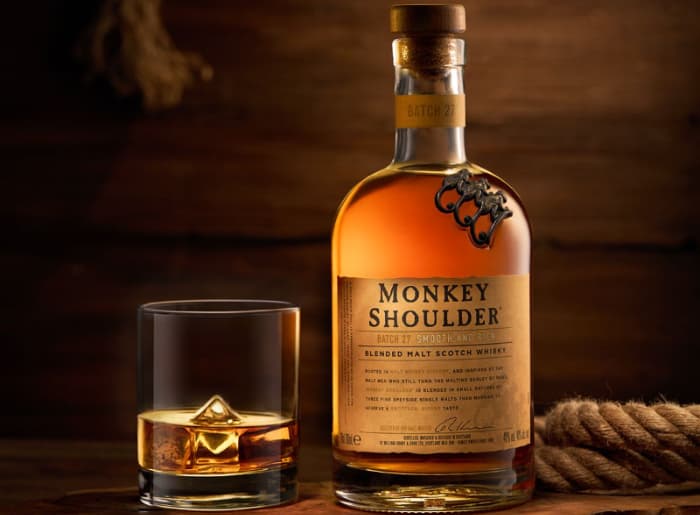
Here's a question to ponder, if one whisky is INR 2,000 and another is INR 20,000, does that mean the more expensive one is ten times better? Not necessarily. The price of whisky is a function of a number of things: the cost of production, the cost of maturation, the degree of rarity, the packaging and the brand. An older whisky will be more expensive because the maturation process itself is expensive.
But price doesn't necessarily equate to enjoyment. You may well prefer the flavour of an inexpensive blended whisky to that of a considerably more expensive single malt. In the end the bottle that's right for you may well be the one that's not the most expensive.
Curious about the Glenfiddich × Aston Martin 28 Year Old whisky? Find out when it launches and which airports will offer this limited-edition release.
There's a very common notion that single malt is better than blended. It's not quite that simple though. Single malt and blended are simply different categories of whisky. A single malt is from one distillery only, a blend is a combination of whiskies.
Some people love the individuality of a single malt, others prefer the balance that a blend can offer. There are absolutely superb examples in both categories and neither should be looked upon with disdain simply on the basis of its name.
Think international whiskies are always better? Discover 5 Indian whiskies that rival global favorites and what makes them worth exploring.
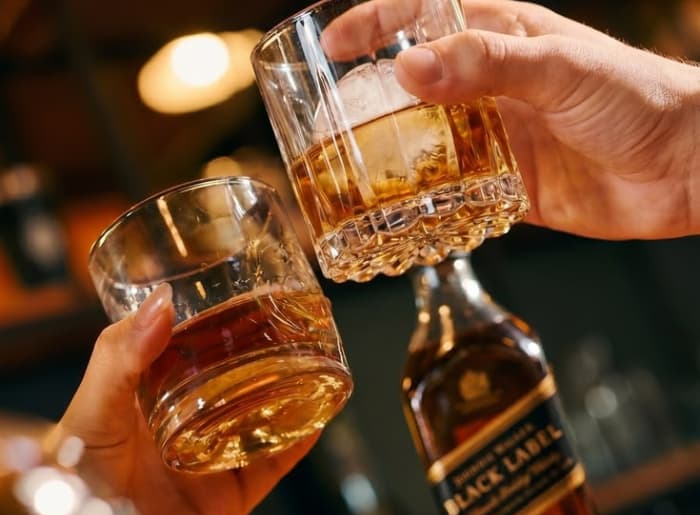
Here's where it gets interesting. A whisky label will tell you where it's from, how old it is, what category it's in and what its alcohol strength is. That's useful information, particularly when you're looking at a range of bottles you've never heard of. Can it tell you whether you'll actually like it? Not really. You can't judge the flavor, the aroma, the texture or your own personal preference from the label.
There's loads more to look at really, cask types, peat levels and maturation methods all having an effect on the character of the whisky. That said , the five basic things we've already looked at are the most important. If you like your whisky with a Coke then that's perfectly fine. A label may help you to choose a whisky but it doesn't in any way tell you how you must drink it.
So can you tell good whisky from bad whisky without opening the bottle? Not with complete certainty, but you can certainly make a better judgment. The name, the country of origin, the age statement, the type of whisky and the ABV are all five things you can look at. The next time someone hands you an unknown whisky bottle, take a moment to look at the label. You might well be in for a surprise before you've even poured yourself a dram.