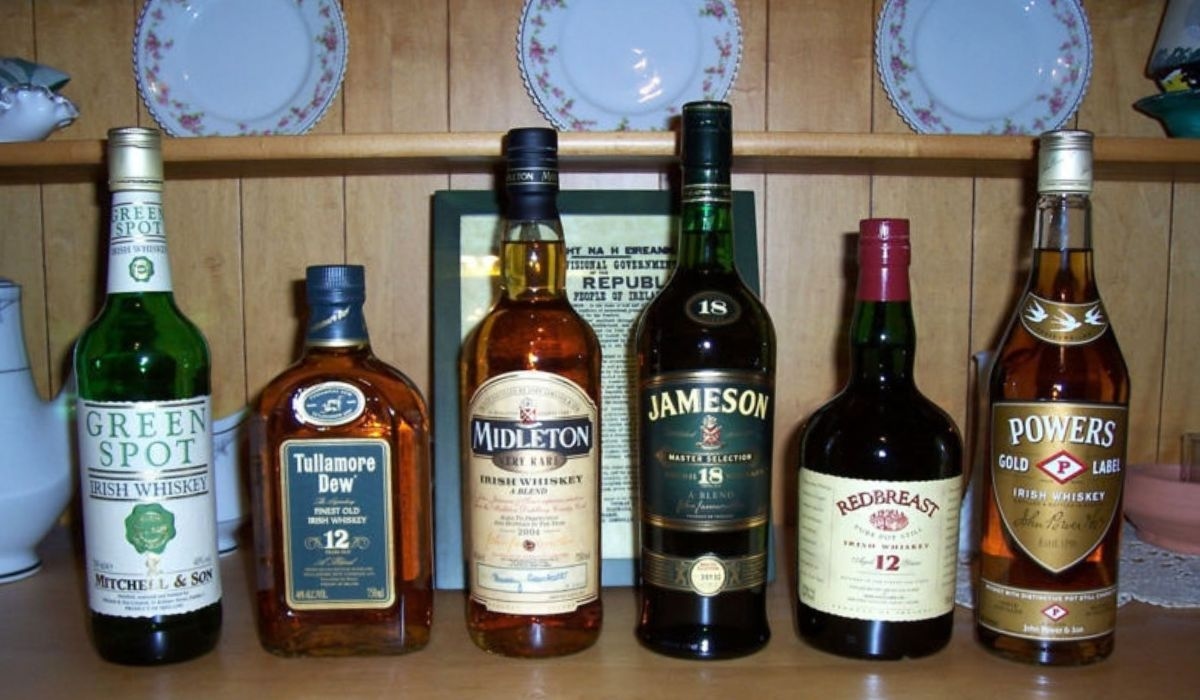

Walk into any liquor store, and you'll quickly notice that almost every variant of single malt whisky costs more than its blended counterpart. Whether it's Glenlivet, Glenfiddich, The Macallan, Amrut, or Paul John, the price difference can sometimes be significant. While a decent blended whisky can be picked up at a relatively affordable price, a bottle of single malt often commands a premium, leaving many drinkers wondering what exactly they're paying for.
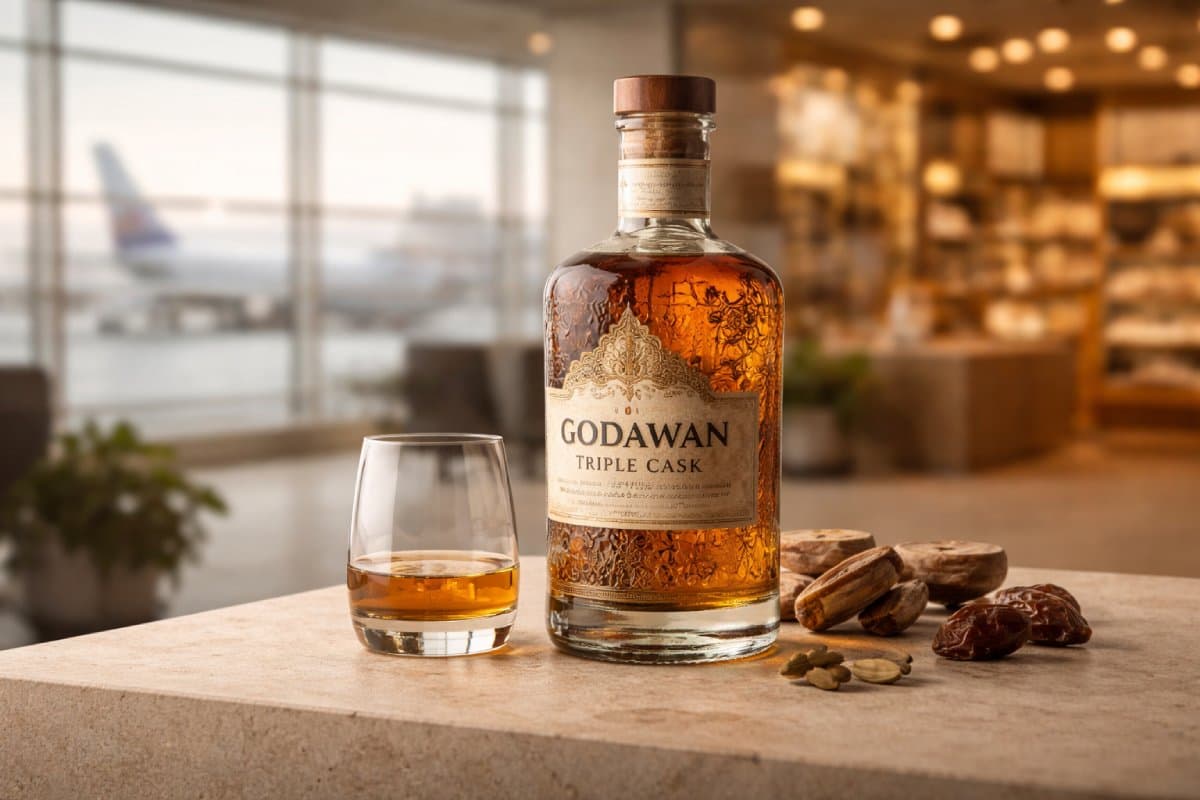
Every bottle of single malt represents years of patience, skilled craftsmanship, expensive raw materials, and a production process that simply can't be rushed. From aging whisky for over a decade to losing a portion of every barrel through evaporation, there are several reasons why single malts cost more than most other whiskies. Here's a closer look at what makes single malt one of the most premium categories in the whisky world.
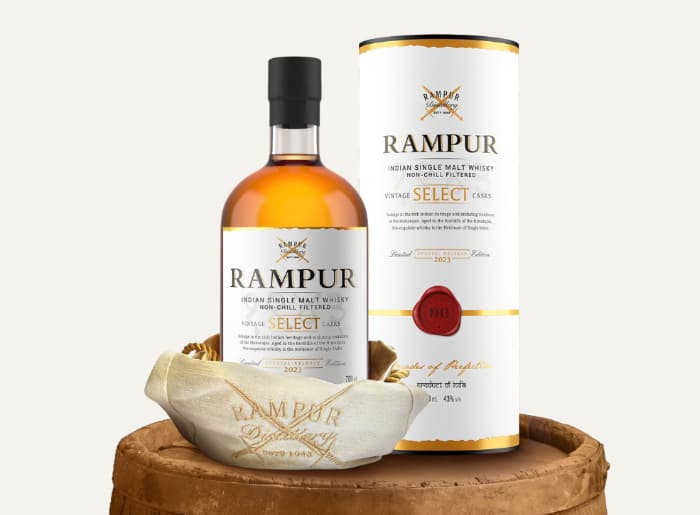
A single malt whisky is produced at a single distillery using only malted barley, water, and yeast. The difference between single malt whisky and a blended whisky, which combines whiskies from multiple distilleries and often includes grain whisky, single malt is crafted entirely at one location. This allows each distillery to develop its own distinct character, influenced by its ingredients, production methods, stills, local climate, and maturation process.
To be called a single malt, the whisky must also mature in oak casks for a minimum period prescribed by the regulations of its country of origin. However, many of the world's most sought-after single malts spend 10, 12, 15, or even 18 years inside oak barrels before they're ready to be bottled. That extended maturation plays a major role in both the whisky's flavor and its final price.
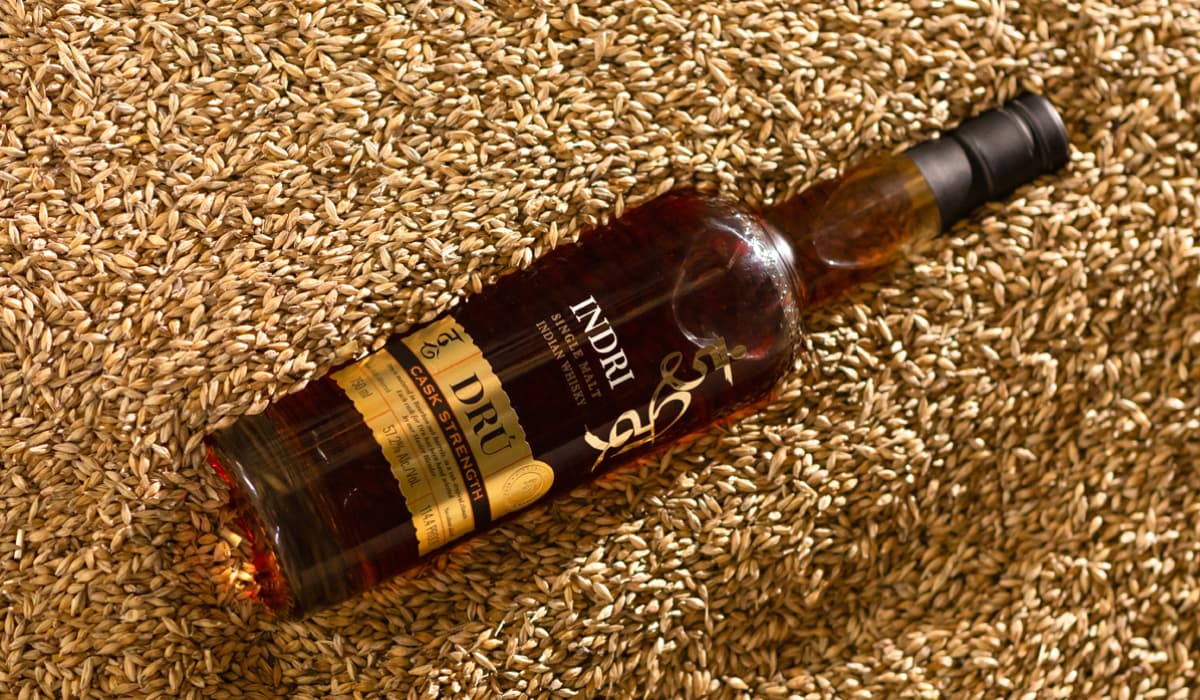
Also Read: Every Indri Single Malt Variant Explained: Which One Should You Buy?
Several factors contribute to the creation of a premium bottle of single malt whisky. While every distillery has its own production methods and costs, a few common reasons explain why these bottles consistently sit at the higher end of the whisky shelf.
Unlike many other spirits that can be bottled relatively soon after distillation, whisky must spend years maturing inside oak casks before it develops the flavors people associate with a quality single malt. During this period, the whisky isn't generating any revenue for the distillery. Instead, it occupies warehouse space while producers continue investing in storage, maintenance, insurance, and inventory management.
The longer a whisky matures, the greater the investment required. A bottle labeled 18 Years Old represents nearly two decades of waiting before it ever reaches a store shelf. That long production cycle ties up significant capital, making aged single malts naturally more expensive than younger whiskies.
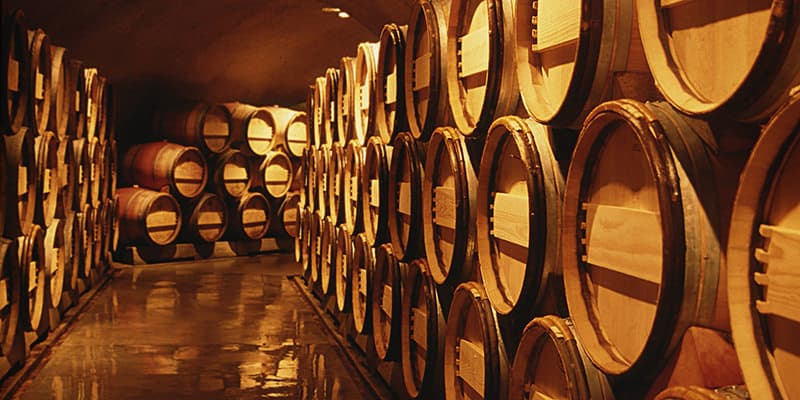
One of the most fascinating aspects of whisky maturation is something distillers refer to as the Angel's Share. As whisky rests inside oak barrels, a small portion naturally evaporates through the wood every year. Depending on the warehouse conditions, barrel size, and climate, distilleries can lose anywhere between 2% and 4% of the spirit annually.
While that may not sound like much, the losses become substantial over time. A barrel filled today will contain significantly less whisky after 12, 15, or 18 years of maturation. In other words, producers aren't just waiting longer to sell their whisky; they're also selling less of it. That gradual loss is built into the final price consumers pay for older single malts.
The barrel is one of the most important ingredients in whisky production. During maturation, oak casks contribute much of the whisky's color, aroma, texture, and flavor, introducing notes of vanilla, caramel, dried fruit, baking spices, and toasted oak that define many premium single malts.
High-quality casks are becoming increasingly difficult and expensive to source. Distilleries often rely on ex-bourbon barrels from the United States or ex-sherry casks from Spain, both of which are in high demand across the global whisky industry. As supplies become more limited and the cost of quality oak continues to rise, cask procurement has become one of the biggest expenses in whisky production.
Combined with years of storage, careful warehouse management, and the ongoing loss of spirit through evaporation, it's easy to see why single malt commands a premium over many other styles of whisky.
Unlike many blended whiskies that are produced in large volumes, single malt whisky is often made in smaller batches. Every stage of production, from selecting the barley to filling the casks, is carefully monitored to maintain consistency and preserve the distillery's signature character. Smaller production runs also mean there are fewer bottles available from each batch, increasing both exclusivity and production costs.
Because single malt is made at a single distillery, producers can't simply blend in whisky from elsewhere to increase supply. Every bottle depends on what the distillery has distilled and matured over the years, making availability naturally more limited than mass-produced blended whiskies.
Producing a quality single malt is a labor-intensive process that requires skill and patience at every stage. Distillers carefully oversee mashing, fermentation, distillation, cask selection, maturation, and bottling to ensure the whisky develops the desired character. Even small changes in fermentation time, still shape, or cask quality can influence the final flavor.
Master distillers and warehouse teams spend years refining their craft, and that expertise comes at a cost. Unlike automated mass production, single malt relies heavily on experience and attention to detail, making one of the biggest contributors to its premium price.
.webp&w=1920&q=75)
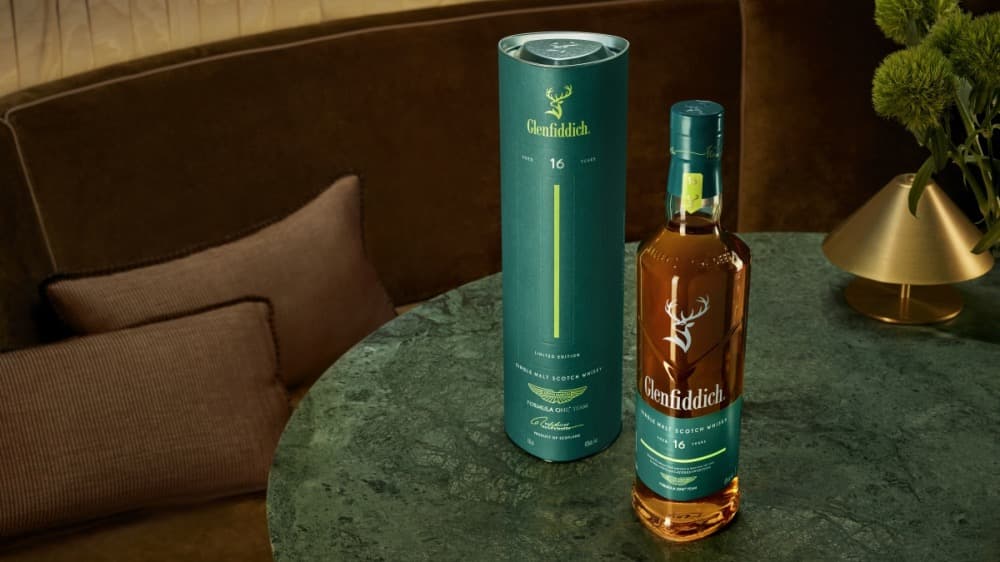
When you buy a bottle of The Macallan, Glenfiddich, Glenlivet, Lagavulin, or Yamazaki, you're paying for more than just the liquid inside. Many of the world's leading single malt distilleries have spent decades, and in some cases centuries, building their reputation for quality and consistency. That heritage carries significant value among whisky enthusiasts and collectors.
Established distilleries also invest heavily in visitor experiences, brand storytelling, innovation, and maintaining exceptionally high production standards. Consumers often associate these brands with trust, craftsmanship, and prestige, all of which influence the final retail price.
Demand has grown significantly across established markets as well as emerging whisky-drinking countries, while collectors continue chasing limited-edition single malt bottles and age-statement releases. The challenge is that supply cannot increase overnight.
A distillery can't simply produce more 18-year-old whisky because demand rises today. If enough spirit wasn't distilled 18 years ago, those bottles simply don't exist. This imbalance between growing demand and limited mature stock has contributed to rising prices across the single malt category in recent years.
Whether single malt is worth the premium depends on how you enjoy whisky. If you appreciate exploring different distilleries, sipping your whisky neat, and discovering subtle differences in aroma, texture, and flavor, single malt offers an experience that's difficult to replicate. Every bottle reflects the distillery's unique production methods, cask selection, and years of maturation.
However, if you mainly enjoy whisky with mixers or are looking for an affordable bottle for larger gatherings, a quality blended whisky may offer better value. Single malt isn't necessarily the right choice for every occasion, but for those who appreciate craftsmanship and complexity, many enthusiasts believe the extra cost is well justified.

Years of maturation, the Angel's Share, costly oak casks, small batch production, skilled craftsmanship, and growing global demand all contribute to the price you see on the shelf. Every bottle of single malt represents years of planning, investment, and patience before it's finally ready to be enjoyed. The next time you pour a glass of single malt, remember that you're experiencing the result of a process that may have started more than a decade ago.