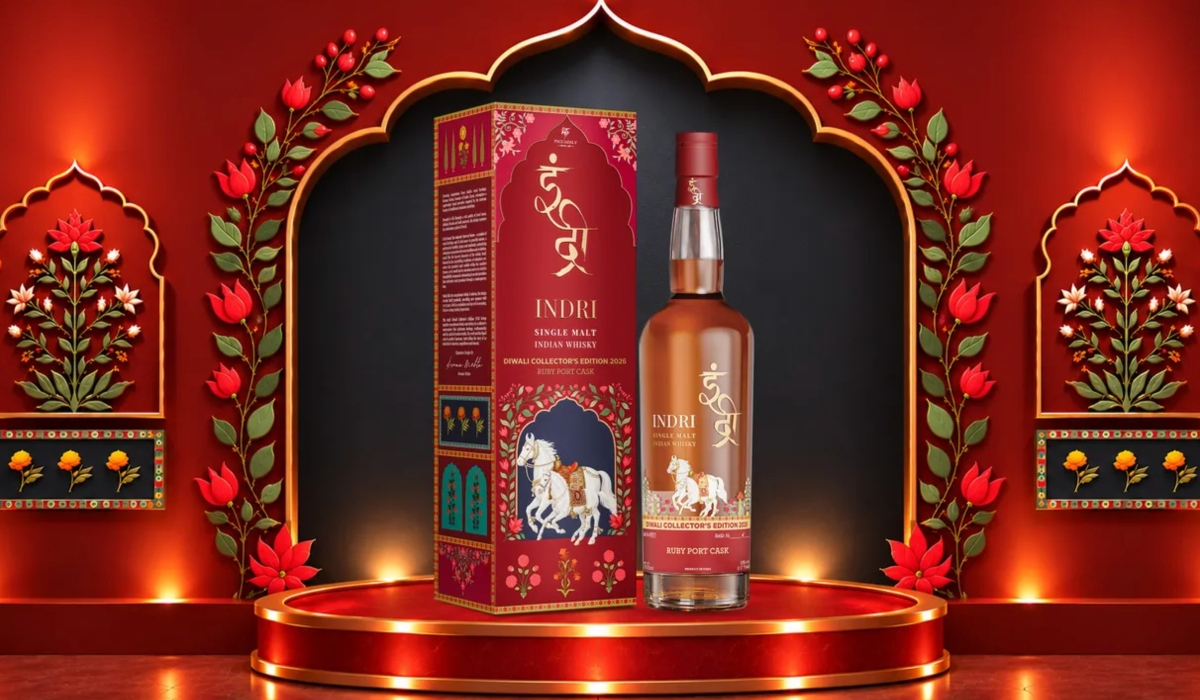


Whisky is one of the world’s most celebrated spirits, enjoyed across cultures for its craftsmanship, complexity, and variety. While Scotland is often considered the birthplace of modern whisky culture, countries like Ireland, Japan, the United States, and, more recently, India have also developed strong whisky traditions over the years. Today, whisky is produced in different styles, including bourbon, rye, Scotch, Irish whiskey, single malt, and blended whisky.
Among these categories, single malt and blended whisky remain two of the most widely consumed and recognized styles globally. Although they belong to the same spirit family, they differ significantly in how they are produced, the ingredients used, and the flavors they deliver.
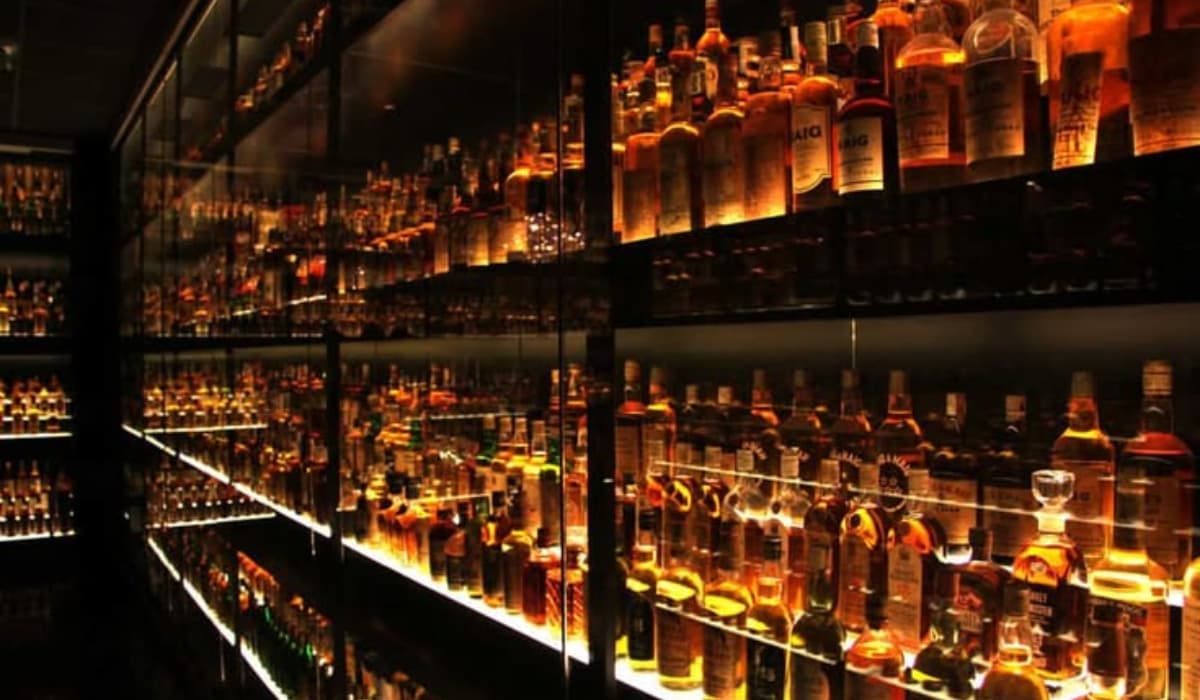
Single malt whisky is produced at a single distillery using only malted barley as its grain ingredient. Traditionally distilled in copper pot stills, which help create a richer and more layered flavor profile. Since the whisky comes from one distillery alone, it reflects the unique production style, water source, climate, and aging process of that particular location.
Brands such as Glenfiddich, The Macallan, Glenlivet, Talisker, and Lagavulin all come from single distilleries. Whisky enthusiasts enjoy single malts because each distillery offers a distinct personality and flavor experience.
Blended whisky, as you might have guessed, combines whiskies from multiple distilleries. Most blends include both malt whisky and grain whisky, which is often made using grains such as corn or wheat. The blending process is handled by master blenders who carefully create a smooth and consistent flavor profile.
Well-known blended whiskies include Johnnie Walker, Chivas Regal, Ballantine’s, and Dewar’s. Blended whisky remains extremely popular worldwide because it is approachable, versatile, and often more affordable than single malts.
.webp&w=1920&q=75)
Whilst we have already identified the two biggest differences between a Single Malt and Blended Whisky, which are the source of production and the ingredients used. Single malt whisky is made entirely at one distillery using 100% malted barley, giving it a more distinct and individual character, whereas a blended whisky combines spirits from multiple distilleries and usually includes both malt and grain whisky, resulting in a smoother and more balanced profile.
The production process also differs as single malts are traditionally distilled in copper pot stills, which help create richer and more complex flavors. Blended whisky often includes grain whisky produced in column stills, which are faster and create a lighter spirit that blends easily.
Flavor and pricing further separate the two styles as single malts are known for being bold and layered with flavors ranging from smoky and peaty to fruity and spicy, while blended whiskies focus on smoothness and consistency.
Single malts are often preferred by enthusiasts who enjoy exploring complex flavors, regional differences, and traditional craftsmanship. There is a high level of appreciation to the individuality that each distillery brings to its whisky.
Blended whisky appeals to drinkers looking for smoothness, consistency, and versatility. Blends are often easier for beginners to approach because the flavors are more balanced and less intense than many single malts.
The popularity of both categories highlights how personal whisky preferences can be. Some drinkers may enjoy sipping a smoky single malt neat, while others may prefer a refreshing whisky highball made using a smooth blend.

Whisky culture has grown far beyond simply drinking alcohol. Today, whisky is associated with storytelling, craftsmanship, hospitality, and lifestyle experiences. Across the world, whisky tastings, collectors’ editions, distillery tours, and pairing experiences have become increasingly popular.
In countries like India, growing interest in premium spirits has encouraged consumers to learn more about whisky styles and experiment with both single malts and blends as part of an evolving drinking culture.

As whisky appreciation continues growing worldwide, understanding the differences between single malt and blended whisky can help consumers make more informed choices and discover the style that suits their taste best.
Single malt and blended whisky may belong to the same spirit family, but they offer very different experiences in terms of production, flavor, pricing, and overall identity. Single malts focus on individuality, complexity, and distillery character, while blended whiskies prioritize balance, smoothness, and accessibility.
.jpg&w=3840&q=100)