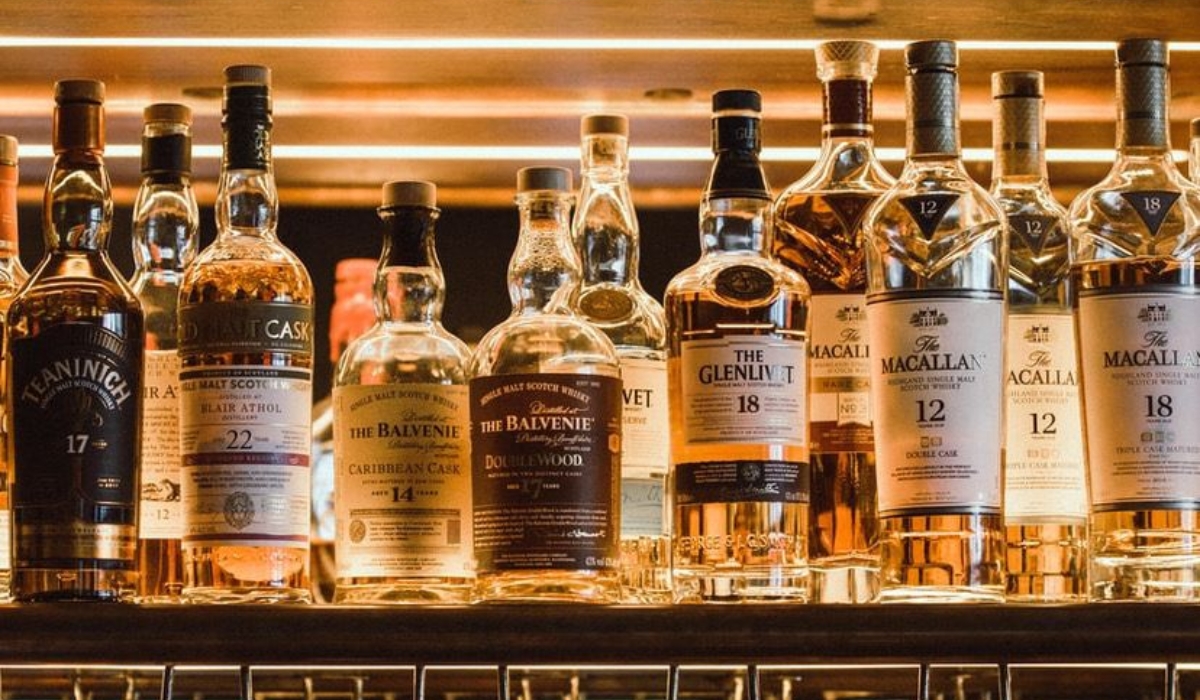


For centuries, premium whisky has shared an almost inseparable relationship with Scotland. Countries such as Australia, UK and Ireland have developed their own single malts, using different distillation techniques and ingredients.
India has carved out its own name in the international single malt market, with homegrown brands consistently challenging international labels and earning recognition for their different maturation and distillation techniques. From Rajasthan's desert climate to Goa's tropical conditions, Indian whisky has developed an identity of its own.
Due to the warmer climate in India the manner in which the spirit and the wooden cask is different. This tends to influence how the flavor develops. Indian distilleries often use locally sourced ingredients and casks with different finishes and production techniques that are more suited to the warmer climate. These factors contribute to expressions that can offer something different from traditional Scotch and other international whiskies.
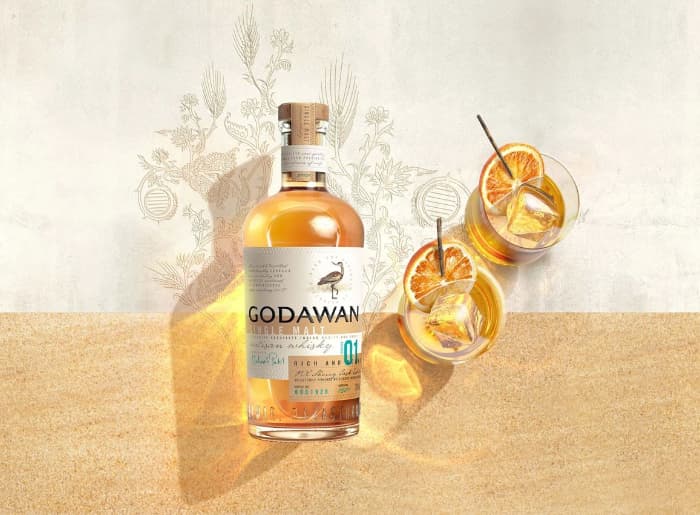
With 125 international awards, Godawan is an Indian single malt brewed in the hot, dry conditions of Rajasthan. Select expressions undergo the maturation process in casks that are influenced by Indian botanicals. Godawan 01 Rich and Rounded and Godawan 02 Fruit and Spice are examples of the brand's goal of combining traditional whisky making with Indian influences.

Amrut helped put India on the global single malt map. Amrut Distilleries established in 1948 has a portfolio expanding over 40 single malts. Amrut Fusion is its best expression, a combination of Indian unpeated barrel with Scottish peated barely. The brand's experiments with casks, maturation, and ingredients have helped establish Indian whisky internationally.

Rampur is a unique example of location as its distillery is located on the foothills of the Himalayas. The region's climate impacts the maturation period due to the hot summers and cooler winters.
Rampur Select and Rampur Double cask are two popular expressions, the latter undergoes a maturation process in American bourbon barrels and European oak sherry cakes, thereby adding the fruit, vanilla and spice characteristics.
Curious about the different types of Indian whiskies? Explore everything from popular blends to Indian single malts worth knowing.

Paul John offers both peated and unpeated expressions. Made in the warm and humid climate of Goa, its maturation process and its casks tend to lead to a high angel’s share. One of its better known variants Brilliance is known for honeyed sweetness and vanilla notes while its counterpart Bold offers a more smoky character to the expression. The brand also experiments with special cask finishes, including Oloroso and Pedro Ximénez sherry casks.

Using Indian six-row barley and copper pot stills, Crazy Cock is a company that uses its decades of brewing experience and combines traditional production techniques with different cask maturation techniques. Crazy Cock Rare offers a rich, unpeated whisky experience while Crazy Cock Dua offers a more smokier indian single malt made with peated barely.
Amrut, Paul John, Godawan have used new distillation and maturation techniques to bring out the distinctive qualities in their single malts. This has enabled Indian single malts to gain international recognition and compete with Scottish, Irish and Japanese expressions.
Beyond just the awards they also reflect the indigenous quality that each brand brings to the table with their ingredients, climate conditions and whisky making experience. Be it a peated single malt to an experimental cask finish, India’s place in the global whisky market has been a well earned achievement.
Did you know Indri leads India's top single malts ranking, followed by Godawan? Discover which other Indian whiskies made the list.
The information presented in this article has been sourced from The Whisky Exchange and the official websites of Godawan, Amrut, Rampur, Paul John, and Crazy Cock. Additional references include The Spirits Business, World Whiskies Awards, and the International Wine & Spirit Competition (IWSC). These sources provide details on Indian whisky production, brand histories, popular expressions, maturation conditions, and the growing international recognition of Indian single malts.
Godawan, Amrut, Rampur, Paul John, and Crazy Cock show how Indian single malts have developed their own identity. From different climates and ingredients to innovative cask finishes, each brand brings something distinctive to the category. Whether they're better than international whiskies ultimately comes down to personal preference, but they certainly deserve to be part of the conversation.