

Judima, is a traditional rice wine made in Assam. It is known to be made by the Dimasa tribe, particularly in the Dima Hasao district. Over generations, families in Assam have served it at weddings, festivals, religious ceremonies etc. It is an example of deeply tied Assamese foods and drinks to their culture. In September 2021, Judima rice wine became the first traditional alcoholic beverage from Northeastern India to receive a Geographical Indication (GI) tag.
While most wines are made with grapes, Judima is made with cooked rice and a local fermentation starter called Humao. It is common in households that use product techniques passed down through generations. The drink is a pale yellow color, naturally sweet and has a distinctive aroma. Often described as having a honey like flavor, although the characters depend on factors such as the rice, fermentation process and the overall production method. While it is widely referred to as rice wine, some studies also describe as a type of rice beer since it is made from fermented grains.
A GI tag is an official recognition given to products that originate from a particular region and have qualities, characteristics that closely resemble the region and its people. In India a GI Tag is granted under the Geographical Indications of Goods (Registration and Protection) Act, 1999. It helps protect traditional products from unauthorized use of their registered nakes,
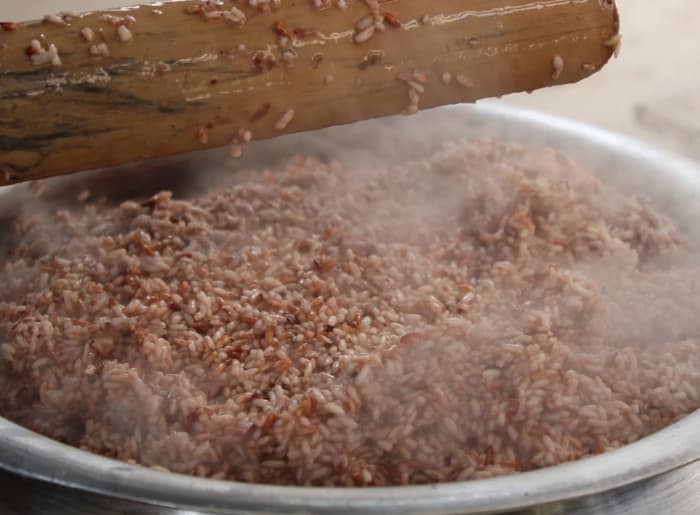
With rich being the main ingredient in Judima, traditional brewing techniques also include locally sourced varieties of glutinous rice, with water and Humao acting as traditional fermentation starters and essential ingredients
The Humao is prepared with the help of rice flour and plant ingredients such as leaves from the thembra plant. It contains microorganisms that convert rice starch into sugars and eventually alcohol. The mix and proportion of ingredients vary from household to household, which is why traditionally made Judima may never taste the same in two places.
When making Judima, you must start by cooking rice and allowing it to cool before then mixing it with powdered Humao and placing it with a traditional earthen pot. While the mixture is left to ferment, the microorganisms do their part and start breaking down the rice scratch.
The fermentation process usually takes between five to seven days, although weather and preparation method play a role in determining how long the process might take. As fermentation takes hold, a pale yellow liquid develops and it is collected as Judima. Batches are sometimes consumed fresh while others may store them. Dimasa women have played an important role in the preparation of Judima, with the brewing knowledge passed down from one generation to the next.
Looking for the best whiskey under INR 1,000 in Assam? Discover the top 10 options you can buy in 2026.
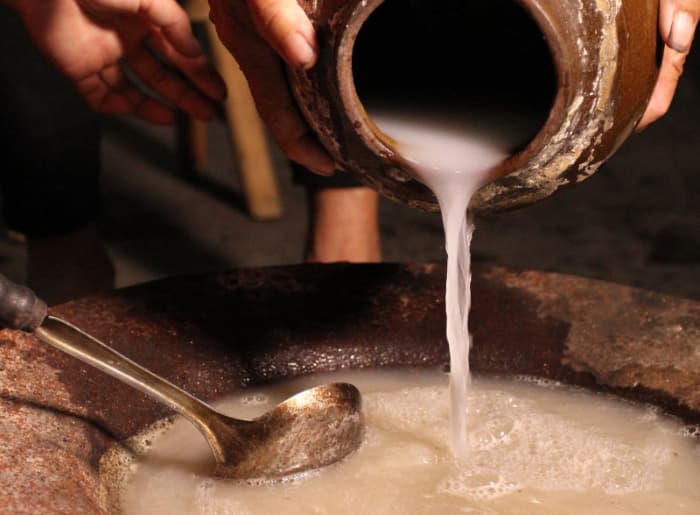
While it is generally described as sweet and mellow, the flavor comes from the honey. It has a distinct fermented aroma and pale yellow look when freshly prepared. Unlike traditional rice beets that are noticeably sour in taste, Judima is often associated with its natural sweetness.
Its appearance and flavor can change as it ages with some batches developing darker colors. The alcohol content is not standardized either as batches vary according to ingredients, fermentation period and the brewing conditions thereby making it difficult to assign one reliable ABV.
Judima’s GI tag represented the long standing association the beverage has with the region Dimasa tribe and its cultural relevance to them. As a GI tag identifies a product, its reputation quality and overall characteristics of the product are linked back to the region as a whole. As it sources its origin deep in Assamese culture and its widespread appeal within the state and region all made a competing case in Judima being awarded the GI tag.
A GI tag identifies products whose reputation, qualities, or characteristics are linked to a particular region. For Judima, this means recognizing the importance of local ingredients, traditional fermentation practices, and the knowledge involved in preparing the drink. This also offers protection against unwanted and unauthorized commercial use of the name.

The Dimasa tribe prepare and share this drink to celebrate hospitality and community, be it at a wedding festival, religious ceremony or a simple family gathering, its importance and relevance comes not from its use during a celebration but rather the traditions surrounding its preparation.
Brewing Judima has traditionally been a household skill that Dimasa women have excelled at. Right from the knowledge of selecting the rice to preparing Humao and managing the fermentation. This information and experience has been passed down generations.
The GI recognition also reflects a willingness to preserve this knowledge, members of the Dimajik Hasao women's group were involved in the development of a process that protects the beverage’s identity and creates opportunities for local producers..
Did you know India’s first beer-fermented chocolate has won international recognition? Find out what makes it unique.

Northeast India is actually one of the richest regions when it comes to the production of rice based alcoholic beverages. Zutho from Nagaland and Apong produced in Assam and Arunachal Pradesh are some of the other popular rice based alcohol beverages with even Meghalaya having its own rice beer.
While rice is the central to all other ingredients, fermentation starters and process, the overall preparation method and flavors are not identical. Judima is known for its sweet taste and use of Humao, Zutho is described as mildly sour. These differences are the result of distinct brewing techniques that communities have developed over generations.
Ever heard of 7 United, India’s first canned carbonated rice beer? Discover how it pays tribute to the Northeast.
The information presented in this article has been sourced from Intellectual Property India, the Geographical Indications Registry, and the Government of India. References include the Geographical Indications of Goods (Registration and Protection) Act, 1999, official GI registration FAQs, and Judima's GI registration records.
Judima is an example of how a traditional drink can carry the history and knowledge of an entire community. Its preparation depends on skills developed over generations, while its place in Dimasa ceremonies and hospitality shows how closely it is connected to everyday cultural life.
The Judima GI tag has brought this traditional rice wine of Assam greater recognition, but it also raises an important question about how such traditions can be preserved as they become better known outside their communities. Protecting the name is one part of that process. Ensuring that the people who have kept the tradition alive continue to benefit from its recognition is equally important.