
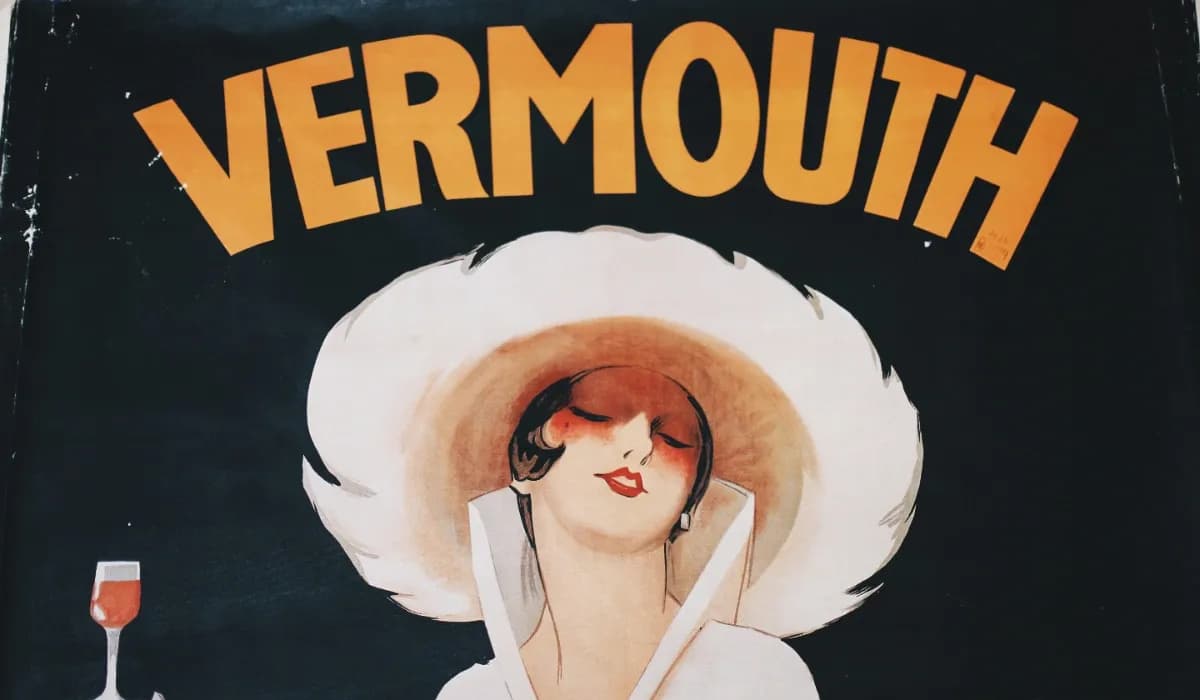
If you’ve ever looked at a bar cart and wondered why there’s a bottle that looks like wine but sits next to the gin, you’ve found the vermouth. Often misunderstood and frequently neglected, vermouth is the unsung hero of the spirits world. It is the bridge that connects harsh base spirits to delicate botanicals, turning a glass of booze into a sophisticated cocktail.
At its core, vermouth is a fortified, aromatized wine. To break that down:
Historically, the defining ingredient of vermouth was wormwood (Artemisia absinthium). In fact, the word "vermouth" is derived from the German word for wormwood, Wermut. While modern recipes vary wildly, that signature bitterness remains a hallmark of the category.
While the world of fortified wine is expanding, almost every bottle falls into one of two primary camps:
Originating in Italy, sweet vermouth is robust, floral, and – as the name suggests – noticeably sweeter. Despite its dark reddish-brown color, it is actually made from white wine grapes. The color comes from caramelized sugar or botanical infusions.
Perfected in France, dry vermouth is clear or pale straw-colored. It contains significantly less sugar and a more pronounced herbal, citrusy profile.
Pro Tip: There is also Bianco/Blanc vermouth. It is clear like dry vermouth but sweet like red vermouth – the perfect "middle ground" for a refreshing spritz.
You might wonder why we don’t just drink gin or whiskey straight. Vermouth serves three critical functions in mixology:
High-proof spirits like gin or whiskey can be "hot" and aggressive. Vermouth has a lower ABV (usually 15%–18%), which helps dilute the ethanol burn without watering down the drink. It softens the edges of the base spirit.
.webp&w=1920&q=75)
Vermouth acts as a liquid spice rack. Because it is infused with dozens of botanicals, a single pour adds layers of flavor – bitter, sweet, and savory – that would take a bartender hours to replicate using individual bitters or syrups.
Because of its sugar content and wine base, vermouth adds a silky, viscous quality to a drink. It makes a Martini feel "velvety" rather than just cold and sharp.
If you want to taste what vermouth brings to the table, start with these three pillars of the bar:
Cocktail | Vermouth Style | The Role it Plays |
The Martini | Dry Vermouth | Provides a floral, savory counterpoint to the gin's juniper. |
The Manhattan | Sweet Vermouth | Adds richness and tames the spice of the rye whiskey. |
The Negroni | Sweet Vermouth | Balances the intense bitterness of Campari with sugar and spice. |
This is where most beginners go wrong. Because vermouth is wine-based, it oxidizes and spoils over time.
Vermouth is far more than a "rinse" for a glass; it is a complex, botanical powerhouse that provides balance and depth to the world's most famous drinks. Whether you prefer the herbal snap of a Dry Martini or the spiced warmth of a Manhattan, understanding vermouth is the first step toward mastering the art of the cocktail.