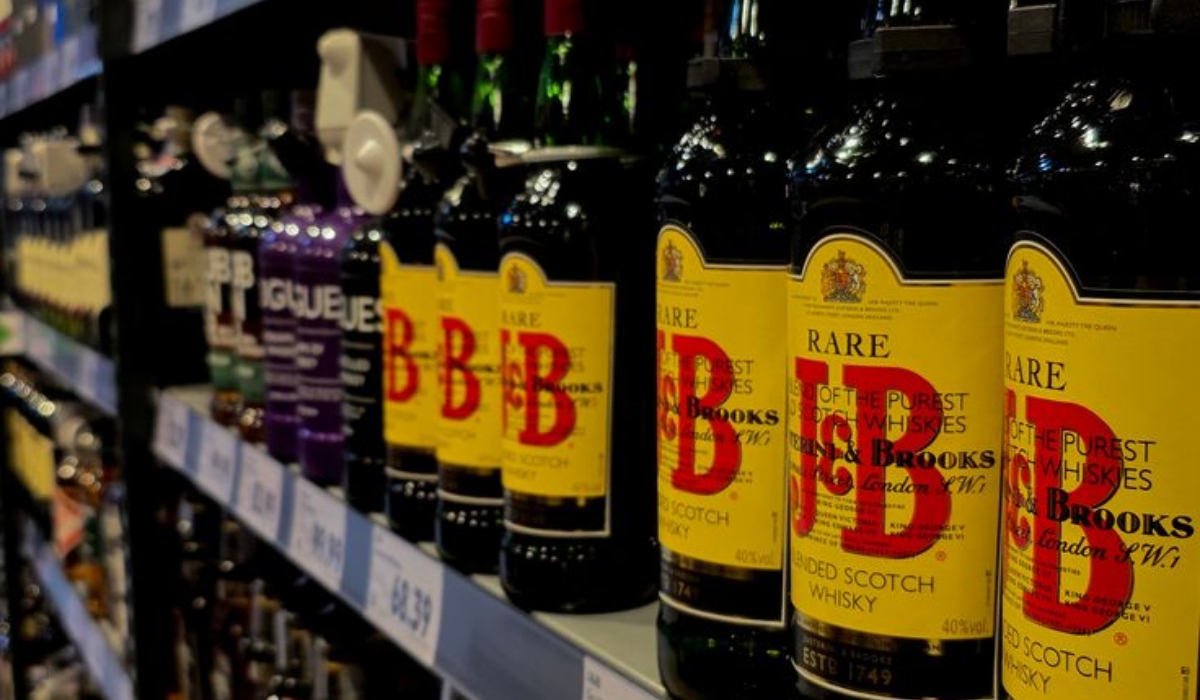


Singapore is one of the most expensive places in Asia for alcohol. It doesn't matter what you're buying really, whether it's a beer at the supermarket, a bottle of whiskey at the bar or a glass of wine in a restaurant, it's going to be quite expensive in comparison to a lot of other countries.
A big reason is Singapore's alcohol tax regime. There's an excise duty based on the amount of pure alcohol in the drink and then on top of that there's an additional 9% GST. That's how the excise duty on alcohol works and that's why it's so expensive to drink in Singapore.
Singapore Customs treats alcoholic beverages as dutiable goods. Alcohol imported into or produced in Singapore is therefore subject to excise tax. This is not an excise tax which is simply a percentage of the product's selling price. The excise tax on alcohol in Singapore is generally based on the quantity of pure alcohol it contains.
The calculation takes into account the volume of the beverage in litres, the ABV and the applicable tax rate. So a 700ml bottle of whiskey at 40% ABV contains 0.28 litres of pure alcohol. At a tax rate of SGD 88 per litre of pure alcohol that would be SGD 24.64 in excise tax prior to GST and any other costs.
Wondering what alcohol to try in Singapore? Discover local Asian spirits worth exploring during your visit.

Singapore has different excise tax rates depending on the type of alcohol. The published tax regime is beer at SGD 60 per litre of pure alcohol, wine and spirits (whisky, gin, rum, vodka etc) at SGD 88 per litre of pure alcohol. These are the rates from the 2014 alcohol tax review and are not the rates which will be in place in 2026.
To understand how the beer tax in Singapore compares with wine and spirits taxes, consider these examples:
These figures derived from Singapore Customs website, tell us why a spirit with a higher ABV will be subject to a far greater rate of tax per bottle. The actual rate will of course depend on the product's classification, its volume and its ABV. Some imported goods will also be liable to customs duty depending on their classification and the relevant trade arrangements.
Planning to buy alcohol in Singapore? Find out what time alcohol sales stop and the key rules tourists should know.
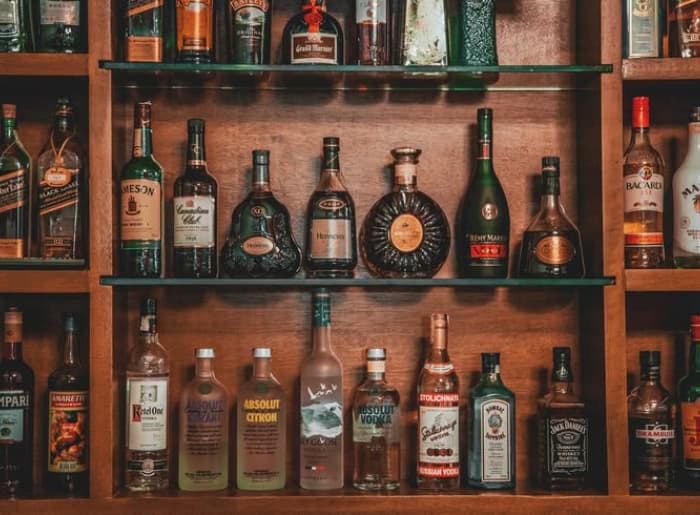
Singapore's GST on alcohol adds yet another layer of tax. The GST rate in Singapore rose to 9% on 1 January 2024 (it had previously increased from 7% to 8% on 1st January 2023). For imported alcoholic beverages, GST is calculated on the applicable import tax base.
A 700ml imported bottle of whiskey at 40% ABV with a customs value of SGD 40 would attract an excise tax of SGD 24.64. The total before GST would therefore be SGD 64.64, GST at 9% would be around SGD 5.82 and so the illustrative total would be SGD 70.46. That's not the final retail price of course as there would be distribution costs and retailer margins to absorb.

Alcohol taxes account for a large portion of the price of drinks in Singapore, but there are other costs involved in drinking at a bar or restaurant. The bar itself has to pay for its rent, staff, utilities, storage, and all the other running costs. There are also costs of transporting and storing the imported alcohol before it even reaches the consumer.
These costs go a long way to explaining why the same bottle of beer or the same bottle of whiskey can be significantly more expensive at a hotel bar than it is in a grocery store. A hotel in a prime location may well charge a premium for its service and its way of doing things. The contribution of each of those costs will vary though so it would be wrong to say that a certain percentage of the price of alcohol is attributable to rent, labour or taxes.
Tourists in Singapore may be eligible for duty free on limited quantities of alcohol. Under the Singapore Customs guidance, eligible travellers may bring in up to 2 litres of alcohol in approved combinations (1 litre of spirits and 1 litre of wine, 1 litre of spirits and 1 litre of beer, 2 litres of wine or 2 litres of beer).
However, the traveller must be at least 18 years of age, have spent at least 48 hours outside Singapore immediately prior to arrival and must not be arriving from Malaysia. The alcohol must be for personal consumption. Duty free concessions are separate from GST import relief and GST may still be applicable in certain circumstances. Alcohol in excess of the permitted allowance will be subject to applicable taxes and GST.
Wondering when Scotch whisky will become cheaper in India under the India-UK FTA? Find out what the trade deal means for whisky prices and when consumers could see the benefits.

Singapore's last major overhaul of its general alcohol excise tax was in February 2014 when the liquor tax rates were increased by 25%. The beer tax went from SGD 48 to SGD 60 per litre of pure alcohol and the wine and spirits tax went from SGD 70 to SGD 88 per litre of pure alcohol.
The more recent tax change on alcohol purchases was the GST increase to 9% in January 2024. The official guidance we reviewed for this article does not point to a new general increase in Singapore's alcohol excise tax rates in 2026.
The information presented in this article has been sourced from official Singapore Customs guidelines, the Inland Revenue Authority of Singapore (IRAS), and the International Trade Administration. These references provide details on Singapore's alcohol excise duties, applicable tax rates, GST, import regulations, and duty-free alcohol allowances for travelers.
The high prices for alcohol is driven by more than just brand name and popularity. One major component is excise tax, based on the amount of pure alcohol in the drink. From the 9% GST fee to the overall cost of doing business is all considered when determining how much a consumer pays at a supermarket, a bar or a restaurant.
The existing tax structure continues to make beer, wine and other spirits expensive, understanding how these policies are implemented helps form a clear picture of why drinking alcohol in Singapore is costlier.