

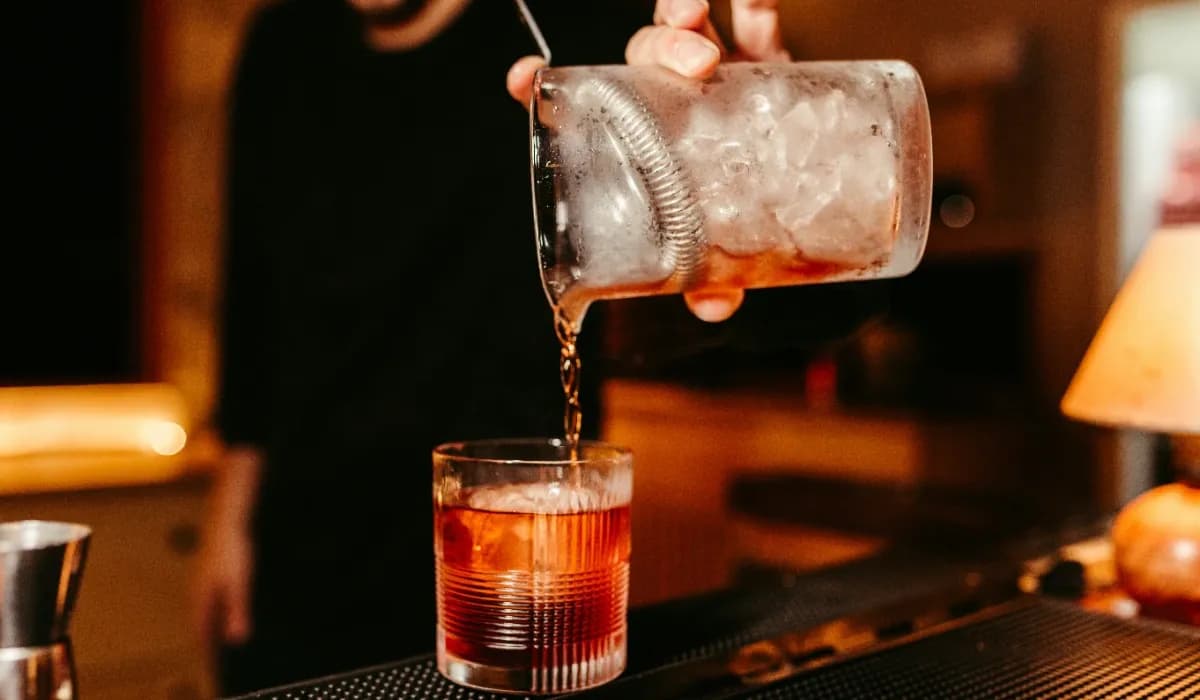
Whether you’re a curious cocktail lover, a social host, or someone thinking about stepping into the world of mixology, you don’t need a professional bar or bartending school to start learning bartender skills. With the right tools, techniques, and practice, you can develop foundational skills that not only make your drinks taste better but also elevate your overall experience behind the bar - even if that bar is your kitchen counter.
Before you start mixing drinks, having the right tools makes a significant difference. A well‑equipped home bar doesn’t have to be expensive, but it should include the basics:
These basics are enough to start crafting a wide range of cocktails at home. Precision tools like a jigger help train your eye and palate, while simple garnish tools boost both aroma and presentation.
At the heart of bartending are a handful of core techniques used in nearly every cocktail:
Shaking is essential for drinks that include citrus, juices, cream, or syrups. It chills, dilutes, and aerates the drink to perfection. To shake:
A proper shake will create a balanced texture and integrate flavors fully.
Some cocktails, like Martinis or Negronis, require gentle mixing rather than shaking. Stirring combines and chills without excessive dilution or aeration:
This method ensures clarity and a silky mouthfeel that suits spirit‑forward drinks.
Muddling unlocks intense flavors from fresh fruits and herbs.
Muddling is key for drinks such as Mojitos and Caipirinhas.
Straining separates the drink from unwanted ice, fruit pulp, or herb pieces after shaking or stirring. Using a Hawthorne strainer for basic cocktails and a fine mesh strainer for delicate drinks ensures a smooth, well‑presented pour.
.webp&w=1920&q=75)
Perfect pouring isn’t just about speed - it's about consistency and balance. Start by using a jigger to measure every ingredient precisely. As you practice, you can explore free pouring, which bartenders use to pour without a measuring tool while still maintaining accuracy. But for consistency, especially when you’re learning, measured pours make a huge difference in taste and balance.
Garnishes aren’t just decoration - they engage aroma and enhance the drinking experience.
Learning how to properly cut and place garnishes will make your drinks look and smell professional.
Once you’ve mastered basic techniques and tools, focus on classic cocktails:
Learning these foundational recipes gives you a solid base to understand how spirits, mixers, and techniques interact. Afterward, you can begin experimenting and even create your own signature drinks.
Skill comes with repetition. Spend time:
Bartenders often refine these skills over years, but dedicated practice at home, even 15–20 minutes a day, can quickly improve your confidence and results.
Bartending at home isn’t just about mixing drinks – it’s learning a craft that blends precision, creativity, and sensory awareness. By equipping yourself with the right tools, mastering foundational techniques like shaking, stirring, muddling, and straining, and learning to balance flavors and garnishes, you’ll be well on your way to becoming a confident home mixologist. Whether you’re making drinks for yourself or guests, these skills turn ordinary cocktails into memorable experiences.
.jpg&w=3840&q=100)
.jpg&w=3840&q=100)
.jpg&w=3840&q=100)