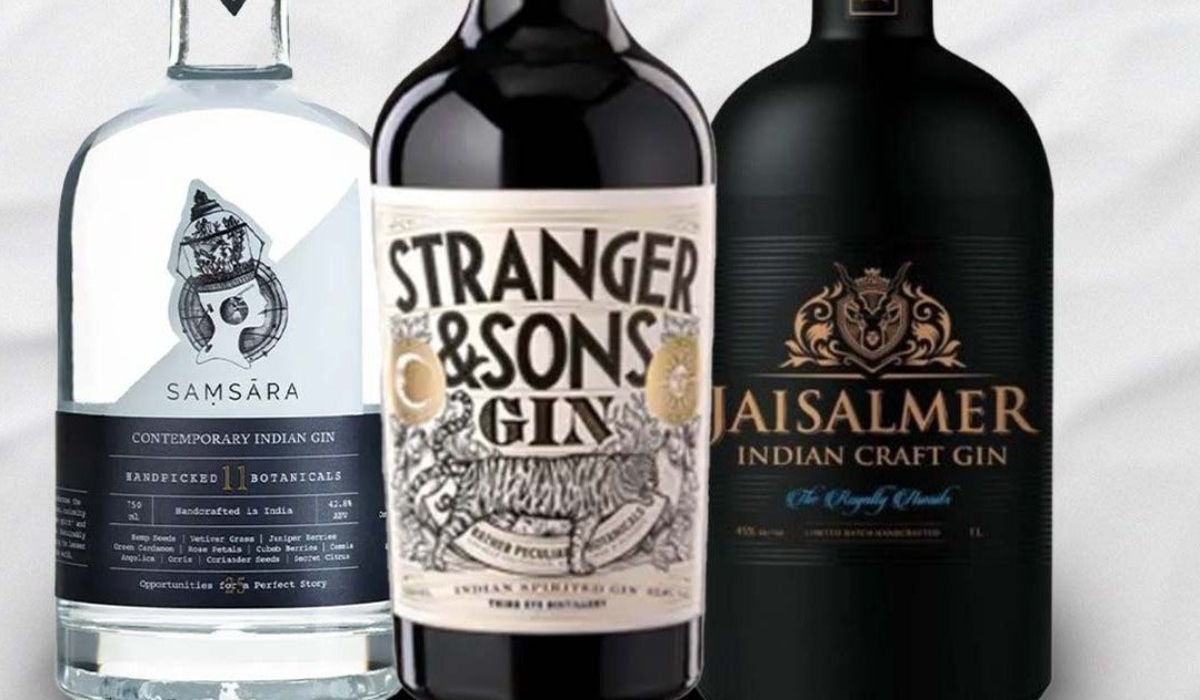

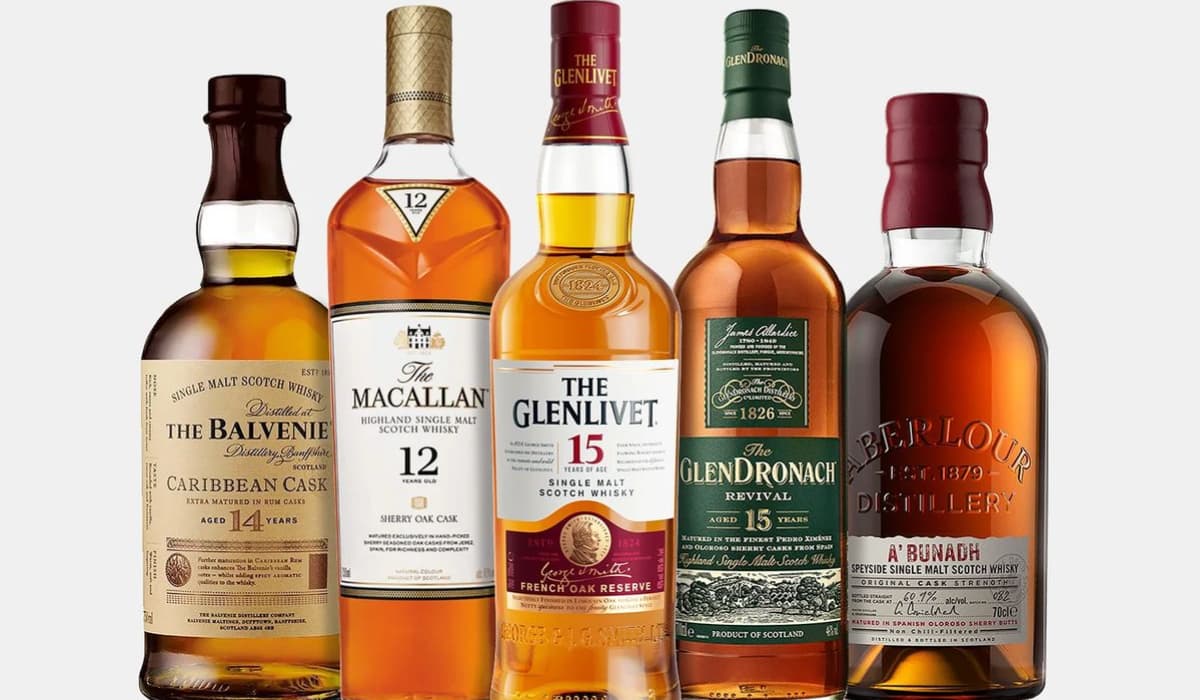
The country of Scotland has spent centuries developing their reputation as one of the world's best whisky producing nations. England on the other hand has been a pioneer in developing the modern whisky market with distilleries that are exploring different fermentation practices, cask types and grains. Both countries produce their own versions of single malt whisky.
The difference is not just in the geography but in the method of production, the maturation guidelines and the protected geographical status. With English whisky gaining geographical indication protection in October 2026, understanding these differences has become hugely important.
Scotch whisky must be produced in Scotland, this includes single malts, single grain blended malts , blended grains and even blended Scotch whisky. The protected status is a measure to ensure that any and all whisky made outside of Scotland cannot be called Scotch. The whisky produced in England has its own distinct identity, while both industries share grain based distillation and cask maturation techniques, English whiskies laws allow provisions for manufacturers especially during certain stages of production.
English and Scotch single malts are made using malted barley, the difference is in where the barley is sourced from. Scotch manufacturers can source barely internationally whereas English whiskies need cereals grown within the United Kingdom.
Scotch single malt involves mashing, fermentation and distillation that has to be done at the very same Scottish distillery. English manufacturers can carry out functions with a lot more flexibility, they’re allowed to work with specialist breweries for mashing and fermentation and all distillation processes can be done at a designated distillery. There is no compulsion to stick to the same distillery.
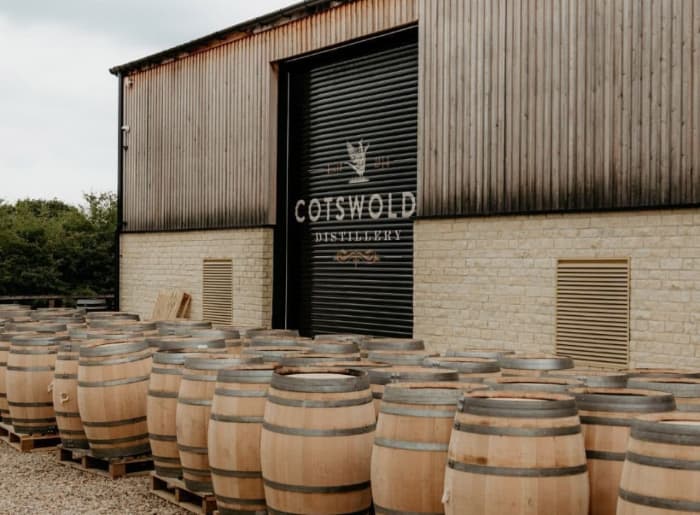
Scotch single malt has to be distilled in a copper pot at one distillery while the double distillation method is not uncommon in Scotland, it is a practice that is done mainly outside the Lowlands. English single malts allow for more flexibility in the distillation process, the equipment used and even the techniques. For single malts made in England, distillers must mention the batch distillation and ensure the proper copper contact but can incorporate other methods and equipment to achieve the desired results.
While limitations are placed on distillation the main goal is to preserve the characteristics that can be derived from the used ingredients and the fermentation process.
The maturation period for both is a minimum of three years. The casks cannot be filled with more than 700 liters and the maturation has to take place within the respective geographical borders. The biggest difference is the wood that is used.
Scotch whisky is matured only in oak casks whereas English whisky regulations allow for a wider selection of what type of cask they want to use, a popular alternative is chestnut. English distillers have the additional option to develop more flavors using the maturation process. Temperature, humidity, the condition of the warehouse and the cask selection, each of these have a final input on how the spirit will come out.
Ever wondered why Indian single malts are cheaper than Scotch? Discover the key factors behind their pricing differences.
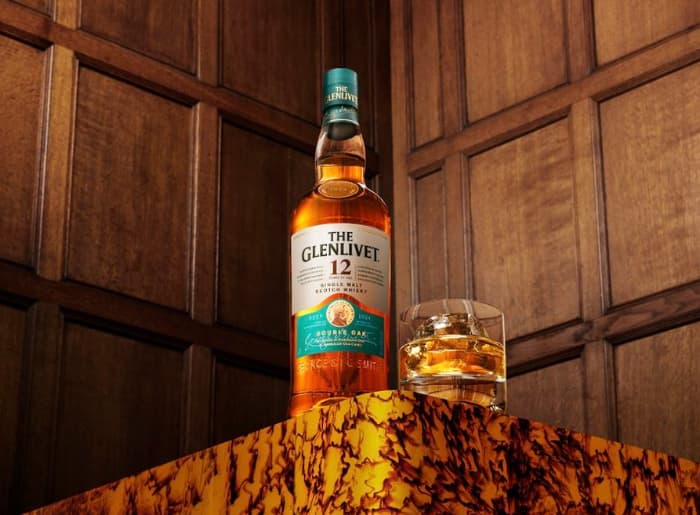
For Scotch whisky, Islay expressions are often linked to peat smoke and maritime notes and most Speyside whiskies focus on fruit, honey and malt. English whiskies are already diverse. Producers have created new and innovative methods to tackle fermentation, distillation and even maturation.
English whiskies can offer a variety of aromas and flavors such as fruit, vanilla, spice, cereal sweetness and even smoky notes. Neither one has a distinct taste, the distillery's decision on the type of grain and cakes maturation are generally a much better way to figure out what kind of flavors the spirit will develop.
Ever wondered what small-batch whiskey is and why it costs more? Find out what makes its production and pricing different.
Similar to Scotch whisky, on October 1st 2026, English whisky earned its geographical indication protection. This is a recognition of the identity of the whiskies produced by English standards and protecting its name against any further misuse. English producers now have a clear identity in the international market, this is important because it allows English whiskies to be seen as a category in its own right.
Looking for the highest alcohol percentage whisky in India? Explore the top 10 high-strength whiskies and what sets them apart.
The information presented in this article has been sourced from The Whiskey Wash, GreatDrams, and The Whiskey Reserve, with additional references from the UK Government, UK Legislation, and the Scotch Whisky Association. These sources provide details on the differences between English whisky and Scotch whisky, including their production methods, ingredients, maturation requirements, geographical indications, and legal regulations.
While they share the same basic foundations from grain distillation and a minimum three year maturation period. The differences in where they source their grains, how they handle production and distillation needs and what type of wood is used for the maturation period. While Scotch single malts hold centuries old established whisky making experience, England is building its own identity within the same market with a newly protected status.