
.jpg&w=3840&q=75)
Walk into any premium liquor store, and you'll notice something interesting. While many well-known Scotch single malts start at premium price points and can quickly become expensive, several award-winning Indian single malts are available for considerably less. That naturally raises an important question. If Indian whiskies are winning international awards and earning praise from critics around the world, why are they generally cheaper than Scotch?
The answer has very little to do with quality, but instead, it comes down to geography, climate, production costs, and the way India's whisky industry has evolved over the past two decades. Indian single malt producers aren't cutting corners to keep prices lower. They're simply making whisky under a completely different set of conditions. Understanding those differences helps explain why Indian single malts often deliver exceptional value while building a global reputation of their own.
One of the biggest misconceptions about Indian whisky is that every bottle is made the same way. Much of the whisky sold in India falls under the Indian Made Foreign Liquor (IMFL) category, where molasses-derived neutral spirit is blended with malt whisky. These brands dominate the market but represent only one part of India's whisky industry.
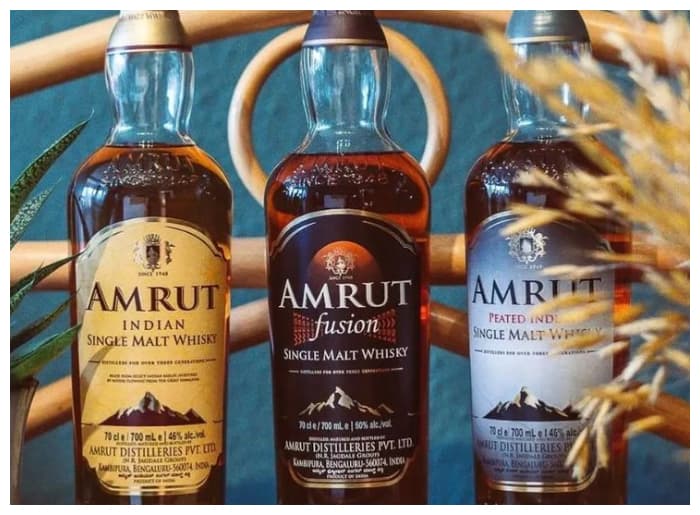
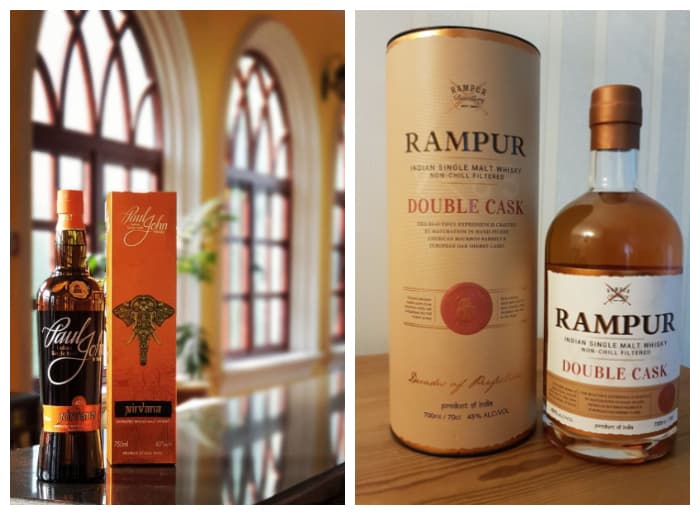
Indian single malt is entirely different. Like Scotch, it is made from 100% malted barley at a single distillery and matured in oak casks. Brands such as Indri, Amrut, Paul John, Rampur, and Godawan have spent years refining their production techniques, proving that Indian single malt belongs among the world's leading whisky categories. When comparing prices, it's these whiskies that should be compared with Scotch rather than mass-market Indian blends.
One of the biggest reasons Indian single malts can reach consumers at lower prices is India's tropical climate. Unlike Scotland's cool and relatively stable weather, India's warmer temperatures accelerate the interaction between the spirit and the oak cask. This allows the whisky to extract color, flavor, and complexity much faster than it would in a Scottish warehouse.
That also means age statements don't tell the full story. While many Scotch whiskies spend 10, 12, or even 18 years maturing, Indian single malts often develop comparable levels of oak influence in just a few years. Although distilleries lose more whisky to evaporation, commonly known as the "angel's share," they also spend fewer years storing each cask before it is ready for bottling. This helps reduce long-term maturation costs without compromising quality.
Indian distilleries source much of their barley locally or regionally, bottle their whisky within the country, and avoid many of the shipping and logistics costs associated with importing Scotch from Scotland. Imported Scotch also carries additional costs before it reaches Indian shelves.
Customs duties, import-related charges, transportation, warehousing, and distributor margins all add to the final retail price. Indian single malts avoid many of these expenses, allowing producers to offer premium whiskies at more accessible price points. Lower production costs don't mean lower standards. Instead, they allow distilleries to focus on quality while delivering better value to consumers.
If lower prices reflected lower quality, Indian single malts wouldn't be attracting international attention. Instead, many distilleries are using the flexibility that comes with a younger industry to experiment with production techniques and cask maturation in ways that continue to push the category forward.
Indri is a great example. Its flagship Indri Trini is matured in a combination of ex-bourbon, French wine, and PX sherry casks, creating a layered flavor profile that has helped establish the brand globally. The distillery has also expanded its portfolio with expressions like Agneya, a lightly peated single malt, Dru, a cask-strength release, and limited editions such as the Diwali Collector's Edition and Founder's Reserve. These releases demonstrate that Indian single malt isn't focused solely on affordability. It's equally committed to innovation, craftsmanship, and creating whiskies that appeal to both new drinkers and seasoned enthusiasts.
.jpg&w=1920&q=75)
One of the strongest indicators of Indian single malt's rise is the growing number of international awards it has received. These aren't accolades limited to regional competitions. Indian whiskies are increasingly earning recognition at some of the world's most respected spirits awards, proving they can stand alongside established names from Scotland, Ireland, and Japan.
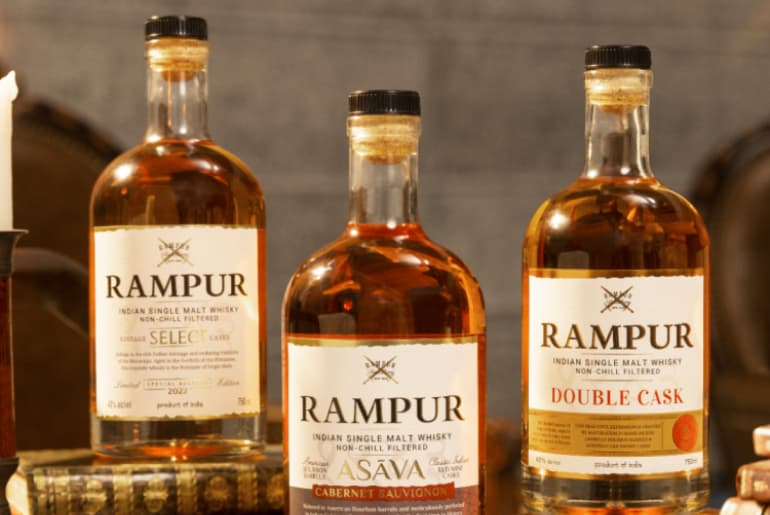
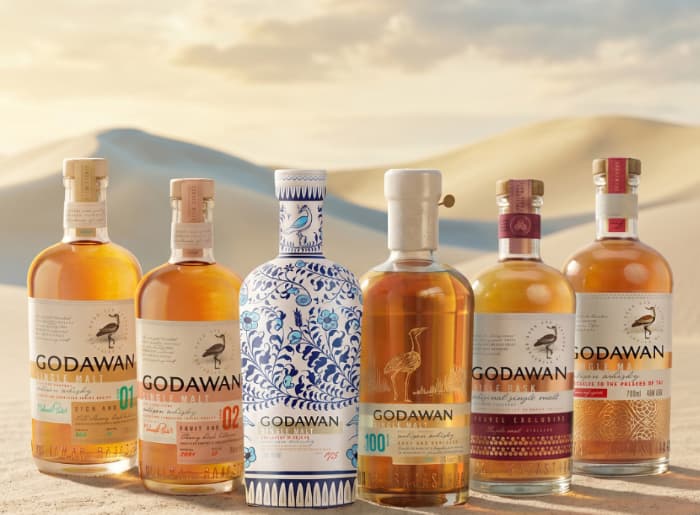
Indri has been one of the category's biggest success stories, with its Diwali Collector's Edition (Marsala Cask Finish) earning multiple honors at the World Whiskies Awards 2026. Rampur has also strengthened India's global reputation after being featured in Drinks International's World's 50 Most Admired Whiskies, while Godawan has gained recognition for experimenting with cask finishes inspired by native botanicals such as Rasna and Jatamansi. Alongside pioneers like Amrut and Paul John, these distilleries have helped reshape how Indian single malt is viewed around the world.
Awards may grab headlines, but the real appeal of Indian single malt lies in what ends up in the glass. Tropical maturation often produces whiskies with bold notes of orchard fruit, dried fruit, vanilla, baking spice, and rich oak in a relatively short period. The result is a style that's expressive, approachable, and full of character without requiring decades of aging.
Indian distilleries are also willing to experiment. Triple cask maturation, wine cask finishes, lightly peated expressions, and cask-strength releases have become increasingly common, giving consumers far more variety than they might expect. Whether someone prefers a fruit-forward whisky, a sherried expression, or something with a gentle smoky character, Indian single malt now offers a style for almost every palate while delivering excellent value compared to many similarly positioned Scotch whiskies.
None of this means Scotch is overpriced. Scotch whisky carries centuries of heritage, strict production regulations, longer maturation periods, and global demand that naturally contribute to higher prices. Many distilleries also mature their whiskies for 10, 12, 15, or even 18 years before release, tying up inventory and warehouse space for much longer than most Indian producers.
Imported Scotch also becomes more expensive once it reaches India. Customs duties, import charges, transportation costs, distributor margins, and state taxes all increase the final retail price. Indian single malts avoid many of these additional expenses because they're produced and sold domestically, allowing consumers to enjoy premium whisky without paying the premium that often comes with imports.
Also Read: Amrut Launches CaféX, India's First Coffee-Cask Single Malt Whisky
Indian single malts are generally cheaper than Scotch, not because they're lower in quality, but because they're produced under very different conditions. Faster maturation, lower production costs, local sourcing, and the absence of import-related expenses allow Indian distilleries to offer exceptional whiskies at more accessible prices.
Perhaps the biggest takeaway is that affordability no longer tells the whole story. Distilleries like Indri, Rampur, Godawan, Amrut, Paul John, and GianChand have shown that Indian single malt can combine innovation, craftsmanship, and international recognition while remaining competitively priced. For whisky enthusiasts, that's good news. It means choosing an Indian single malt isn't about settling for a cheaper alternative to Scotch. It's about discovering a distinctive style of whisky that delivers outstanding quality and value on its own terms.
.jpg&w=3840&q=100)
.jpg&w=3840&q=100)
.jpg&w=3840&q=100)