
Indian Made Foreign Liquor, or IMFL, is one of the most widely consumed alcohol categories in India. The term refers to alcoholic beverages that are manufactured in India but follow the style of foreign spirits such as whisky, rum, vodka, gin, or brandy. Even certain international brands produced locally in India through bottling or manufacturing partnerships can technically be classified as IMFL.
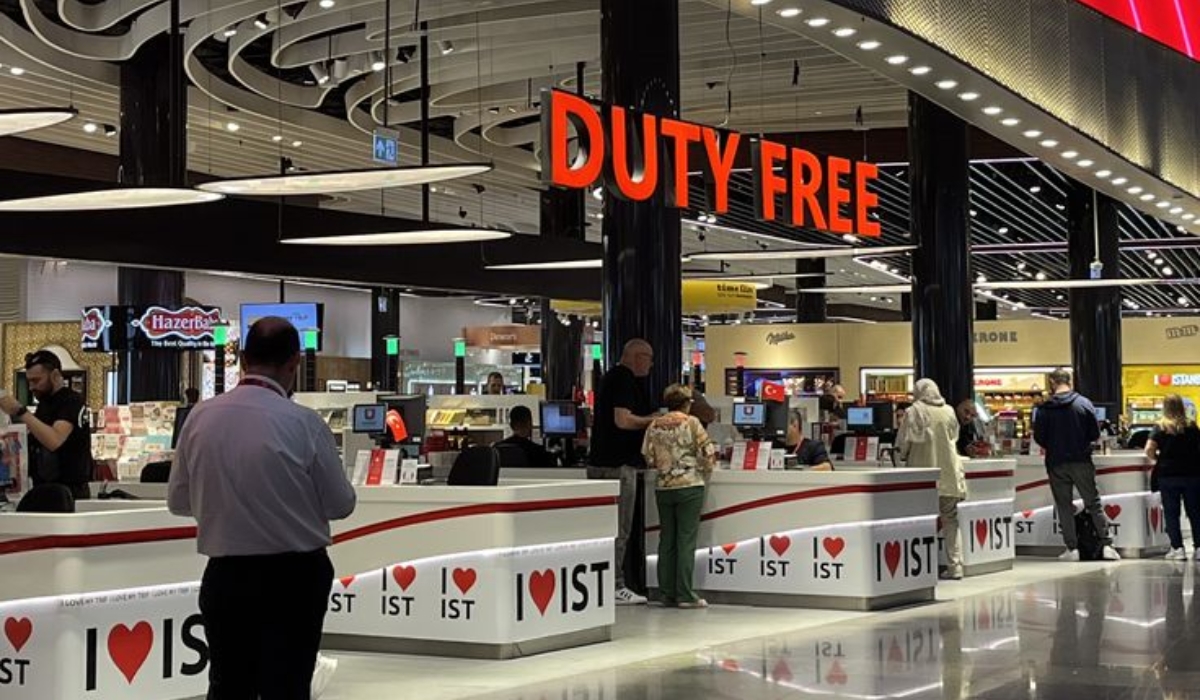
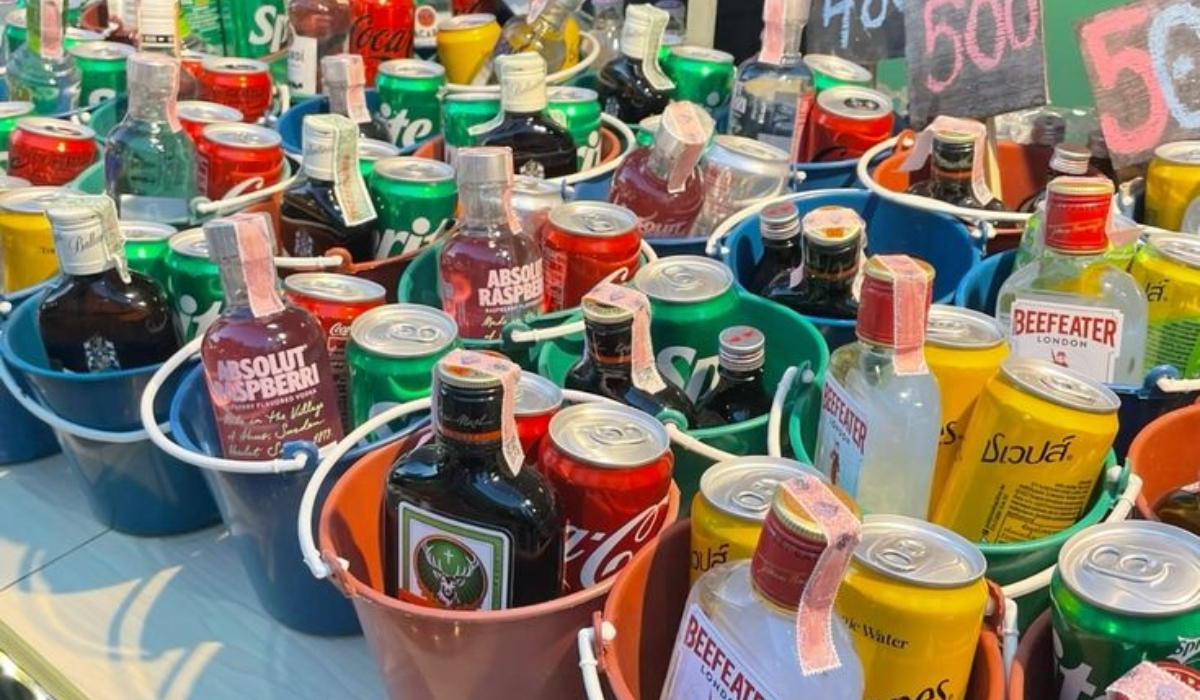
Imported liquor, on the other hand, refers to alcohol that is fully produced, bottled, and shipped into India from another country. Brands like Chivas Regal, Glenfiddich, Grey Goose, Jack Daniel’s, Patron, and Hennessy fall into this category. The biggest distinction between IMFL and imported liquor lies in production location, taxation, and pricing. While IMFL is produced domestically using local distilleries and ingredients, imported liquor enters India as a finished overseas product, which significantly increases its retail cost because of import duties and taxes.
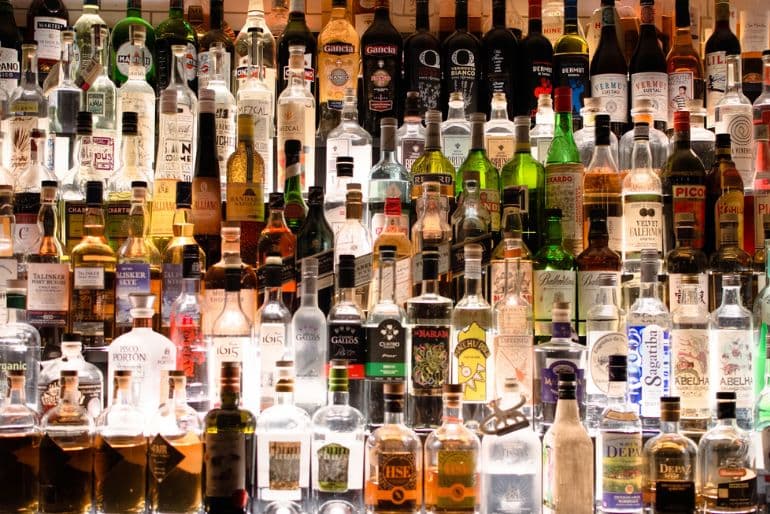
While the primary difference between IMFL and imported liquor is where the alcohol is manufactured, this differentiation sets the stage for every step that follows in the life cycle of these bottles. For example, imported alcohol faces customs duties, excise taxes, transportation costs, and retail markups before reaching consumers. As a result, imported whisky, vodka, tequila, or cognac often costs significantly more than IMFL alternatives.
Many IMFL whiskies use Indian grain spirits, neutral alcohol, or locally sourced raw materials, while imported spirits generally follow the regulations and production standards of their country of origin. Scotch whisky, for example, must legally be distilled and aged in Scotland.
Brand perception also creates a major distinction, as imported liquor often carries a stronger luxury appeal because of international branding, global heritage, and premium positioning. IMFL traditionally focused more on affordability and mass-market accessibility, although that perception has started changing in recent years.
Since production happens locally, manufacturers can distribute products more efficiently across states while avoiding many import-related costs. This allows IMFL brands to remain significantly more affordable for Indian consumers.
IMFL also evolved specifically around Indian drinking habits and taste preferences. Many Indian whisky blends, for example, are designed to pair well with soda, water, ice, and strong Indian food flavors. The category grew rapidly because it adapted itself to local consumption patterns rather than trying to directly replicate Western drinking culture.
India is one of the world’s largest whisky-consuming countries, and IMFL forms the backbone of that industry. The category stretches across everything from affordable mass-market brands to premium Indian single malts that now compete globally.
Earlier, IMFL was largely associated with affordable whisky and rum brands aimed at the mass market. Imported liquor, meanwhile, carried a stronger premium image because of international branding and higher pricing.
Over the last decade, IMFL has evolved significantly. Indian alcohol companies have invested heavily in:
This has helped many Indian brands reduce the perception gap between IMFL and imported liquor.
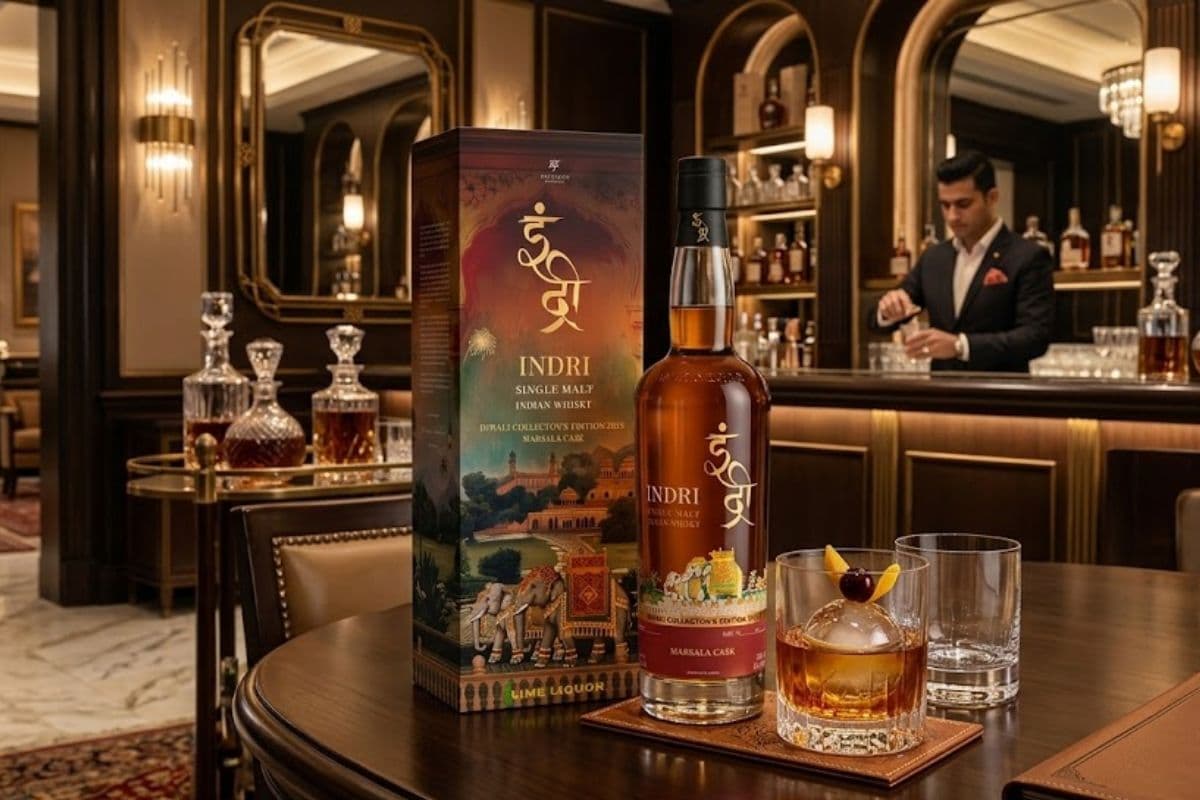
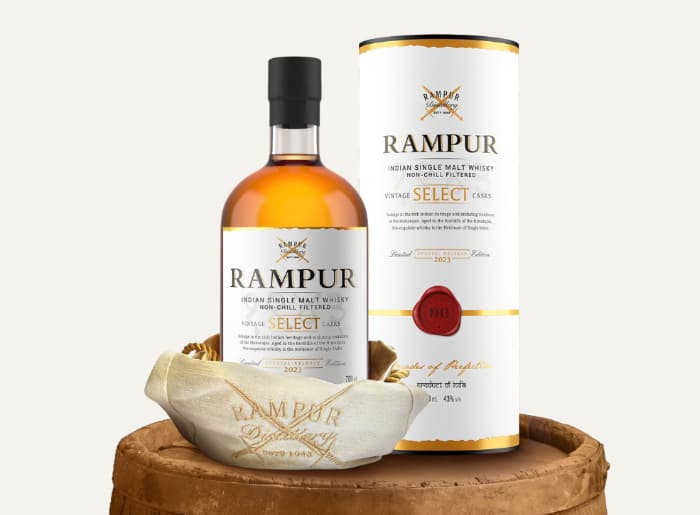
Indian single malts like Amrut, Paul John, Rampur, and Indri have gained international awards and recognition, proving that Indian-produced spirits can compete with global whisky brands. Similarly, Indian gin brands and craft spirits have also started building strong international reputations.
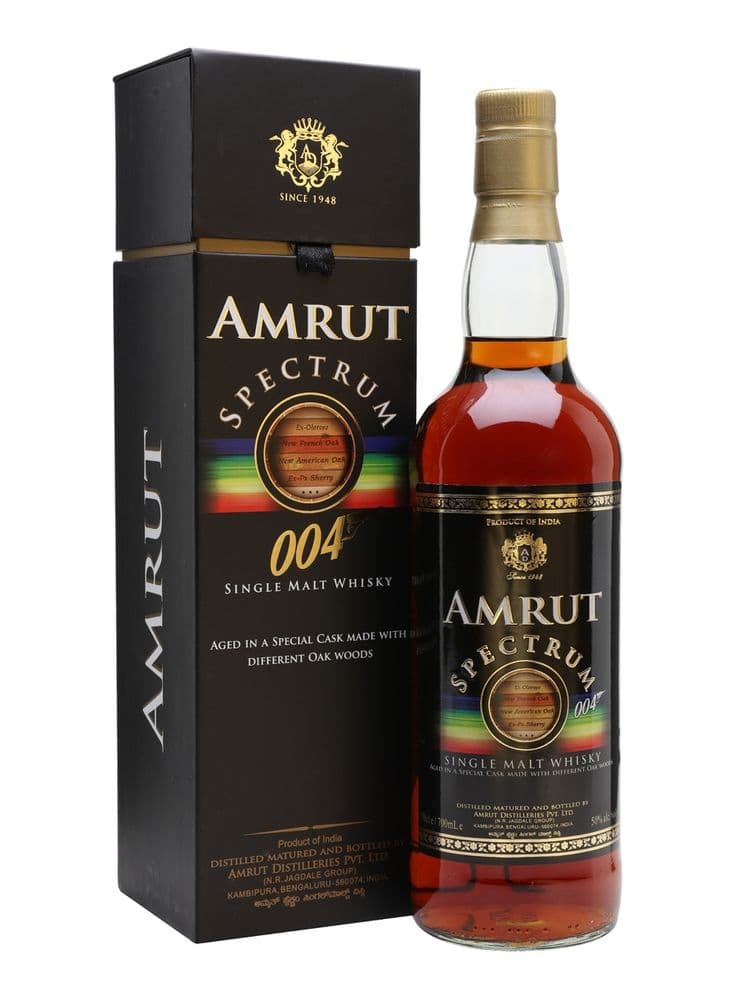
The IMFL category today stretches far beyond mass-market whisky and rum brands. India’s premium spirits industry has evolved rapidly, with several Indian brands now gaining international recognition for quality and craftsmanship.
Popular premium IMFL whisky brands include:
Indian gin and craft spirit brands include:
At the same time, traditional large-scale IMFL brands such as Blenders Pride, Antiquity, Signature, and Royal Stag continue dominating India’s mass-market alcohol industry because of affordability and accessibility.
This approach makes the article feel more modern, premium, and aligned with how India’s alcohol industry is currently evolving.
The IMFL category has grown enormously because of rising disposable incomes, premiumization, and changing drinking habits in India. Consumers today are far more willing to experiment with different spirits, premium blends, craft gin, and Indian single malts compared to previous generations.
Urban consumers, especially, have become more quality-conscious, leading Indian alcohol companies to improve packaging, branding, and production standards across categories. This has helped premium IMFL products gain credibility both domestically and internationally.
India’s growing cocktail culture has also supported the rise of IMFL. Many bars and restaurants now actively use Indian spirits in cocktails, whisky tastings, and premium drinking experiences rather than relying entirely on imported brands.
Imported liquor remains expensive because of taxation, which allows IMFL brands to maintain a strong market advantage while still improving quality and premium appeal.
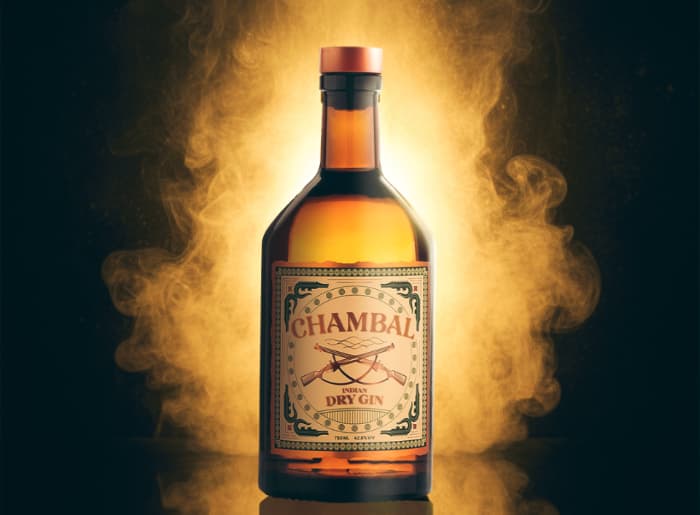
The difference between IMFL and imported liquor primarily comes down to production location, taxation, pricing, and branding. IMFL refers to foreign-style spirits manufactured within India, while imported liquor is fully produced overseas and shipped into the country as finished products.
Although imported liquor still carries a strong luxury positioning, India’s alcohol industry has evolved rapidly over the last decade. Premium IMFL brands, especially Indian single malts and craft spirits, are increasingly competing with international brands on quality, innovation, and global recognition. As India’s drinking culture continues evolving, the gap between IMFL and imported liquor is gradually becoming much smaller.