


During the presentation of the Union Budget 2026-27 on February 1, 2026, Union Minister for Finance and Corporate Affairs, Nirmala Sitharaman unveiled a strategic move to simplify the tax compliance framework. By transitioning from a fragmented tax structure to a unified one, the government aims to reduce the "inspector raj" and ease the burden of compliance for businesses. Central to this reform is the adjustment of Tax Collected at Source (TCS) for sellers of alcoholic liquor, scrap, and minerals to a flat rate of 2 percent.
Previously, the TCS rates for commodities like alcoholic liquor for human consumption, timber, and scrap were varied, leading to complexity in accounting and collection. The Finance Minister has now announced:
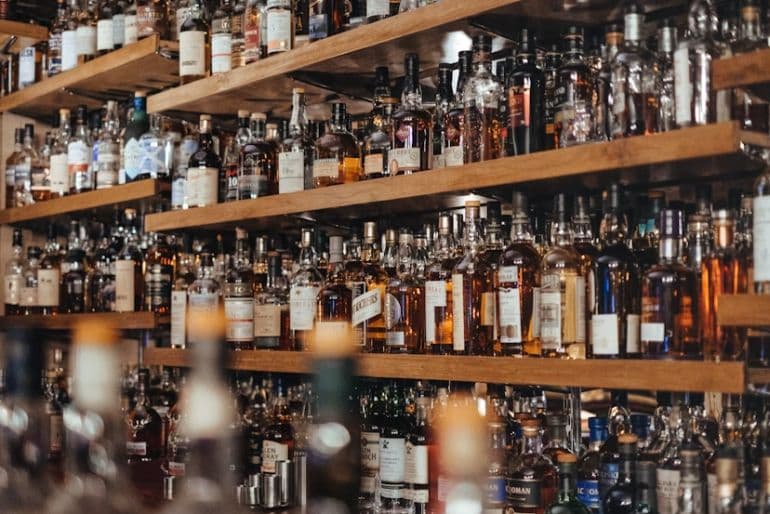
Essentially, while the government is making the paperwork easier for businesses, the "convenience" of a flat 2% tax is expected to result in a slightly higher bill for your weekend drinks.
The Budget also addressed tobacco taxation through a technical recalibration of the National Calamity Contingent Duty (NCCD).
Beyond sin goods and commodities, the Budget took a firm stance on industrial machinery.
The broader financial landscape also saw changes that will affect the "cost of trading." The Securities Transaction Tax (STT) on Futures and Options (F&O) has been increased. This move is designed to curb the excessive speculative frenzy in the derivatives market and encourage long-term investment, though it makes high-frequency trading significantly more expensive.
The Union Budget 2026-27 reflects a government focused on procedural simplification and fiscal consolidation. By flattening the TCS rate to 2% for alcohol and minerals, the FM has removed layers of tax ambiguity, even if it results in a slight price uptick for the end consumer.
The strategy is clear: simplify the tax code (exemplified by the upcoming New Income Tax Act 2025), protect domestic manufacturing by removing import crutches, and ensure that the tax collection mechanism is robust yet straightforward. For the common man, while certain lifestyle goods like alcohol and tobacco see a shift in tax handling, the overall focus remains on building a self-reliant, "Viksit" industrial base.
.jpg&w=3840&q=100)
.jpg&w=3840&q=100)
.jpg&w=3840&q=100)