

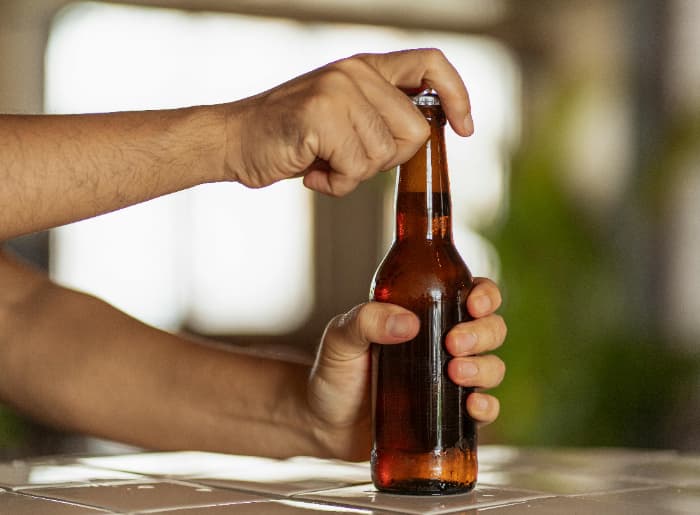
In a major push for election integrity and public safety, the Government of Nepal and the Election Commission (EC) have officially imposed a nationwide, week-long ban on the sale and consumption of alcohol. This measure comes just days before the country’s high-stakes General Election scheduled for March 5, 2026.
The restriction is part of a broader "Integrated Election Security Plan" designed to minimize violence, prevent voter coercion, and ensure that the democratic process remains peaceful following a period of significant political transition.
The Election Commission has issued a formal directive to the Ministry of Home Affairs to enforce the prohibition across all 77 districts of Nepal. The key details of the ban include:
Local administrations, particularly in "sensitive" districts like Baitadi and Kanchanpur, had already begun tightening regulations earlier in the week, with some areas implementing 7:00 PM curfews on alcohol sales as early as February 21.
The alcohol ban is only one layer of a massive security blanket being thrown over the country. With approximately 18.9 million eligible voters set to elect 275 members of the House of Representatives, the following measures are also in place:
.jpg&w=1920&q=75)
To prevent "cross-border interference" and the movement of unauthorized individuals, Nepal’s international borders with India and China will be sealed 72 hours before polling begins. This closure is expected to start at midnight on March 2, 2026.
A 48-hour "Silent Period" will commence at midnight on March 2. During this time, all forms of campaigning – including rallies, door-to-door visits, and social media advertisements – are strictly prohibited to allow voters a period of reflection without external pressure.
On Election Day (March 5), all public and private vehicular movement will be suspended from midnight on March 4 until polling concludes at 5:00 PM. Exceptions will be made for:
The 2026 General Election is a pivotal moment for Nepal, occurring just six months after the "Gen-Z" protests that led to the collapse of the previous administration. Over 339,000 security personnel, including the Nepal Army and the Armed Police Force, have been deployed to guard 11,901 polling booths, nearly 40% of which have been categorized as "highly sensitive."
International observers from SAARC nations, Australia, South Korea, and Japan have been invited to monitor the proceedings, highlighting the global interest in Nepal's democratic stability.
The week-long alcohol ban serves as a traditional but critical tool in Nepal’s electoral toolkit to prevent "liquor-for-votes" schemes and late-night altercations between rival political factions. As the nation moves toward the March 5 vote, the strict enforcement of these codes reflects the government's priority: ensuring that the voice of the 18.9 million voters is heard without the influence of intoxicants or intimidation.
.jpg&w=3840&q=100)
.jpg&w=3840&q=100)
.jpg&w=3840&q=100)