

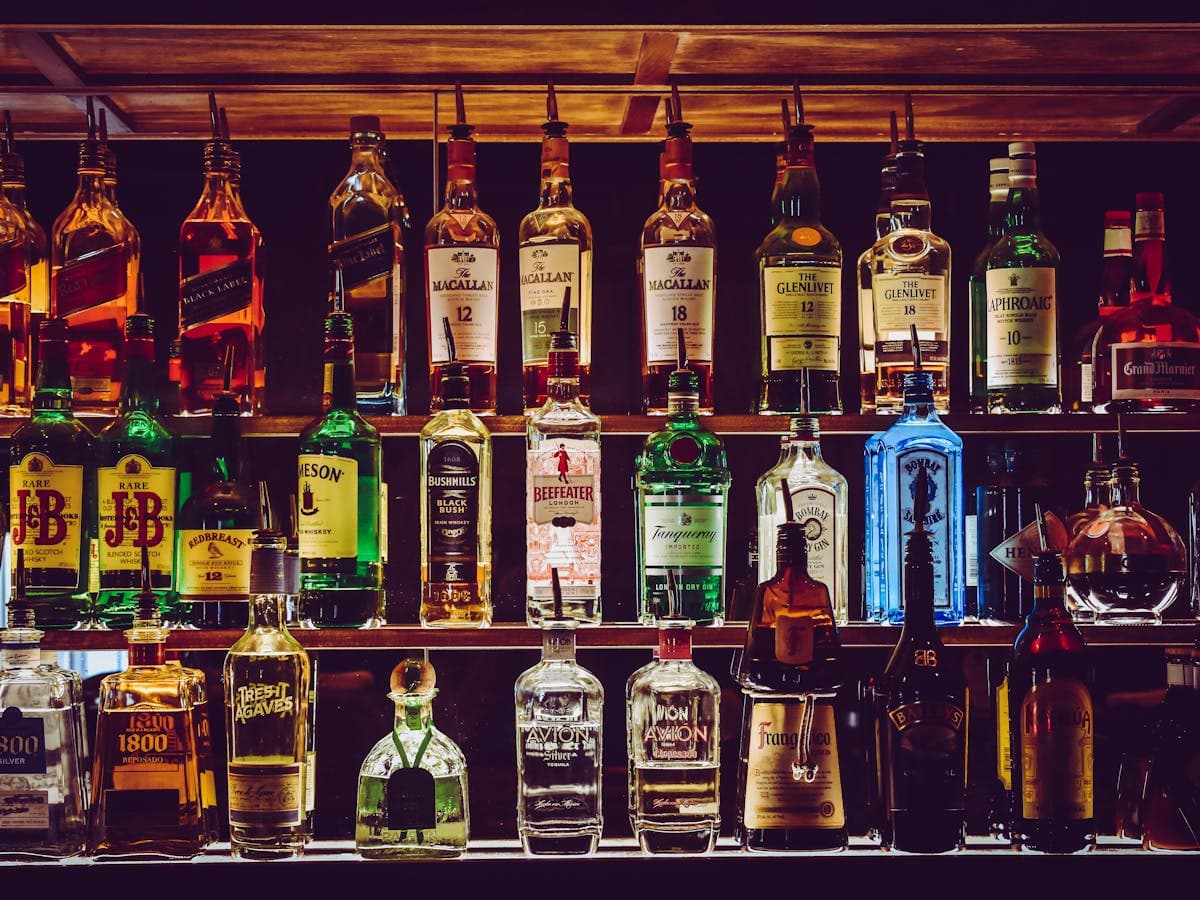
Why is the Maharashtra government looking to integrate digital locks for liquor transport? On the surface, it might seem like a normal precautionary measure, and yes, it is as simple as that. The expansion into GPS-enabled e-lock systems for the transportation of liquor points to a larger push to modernize logistics and rece the iilegal diversions during transit.
Beginning June 1, 2026, the state’s Phase 2 rollout will make digital locks mandatory for a much wider category of vehicles transporting molasses, liquor, rectified spirit, and alcohol consignments moving within or through Maharashtra.
While this may sound highly technical, the end goal is simple: to prevent the theft, illegal distribution, and black market diversion of alcohol during transport. These locks will help monitor the movements of the vehicle in real time, detect alternative routes in case of a deviation, alerts if the locks are opened unexpectedly, and track whether or not the vehicles have reached the intended destination on time and without interference.
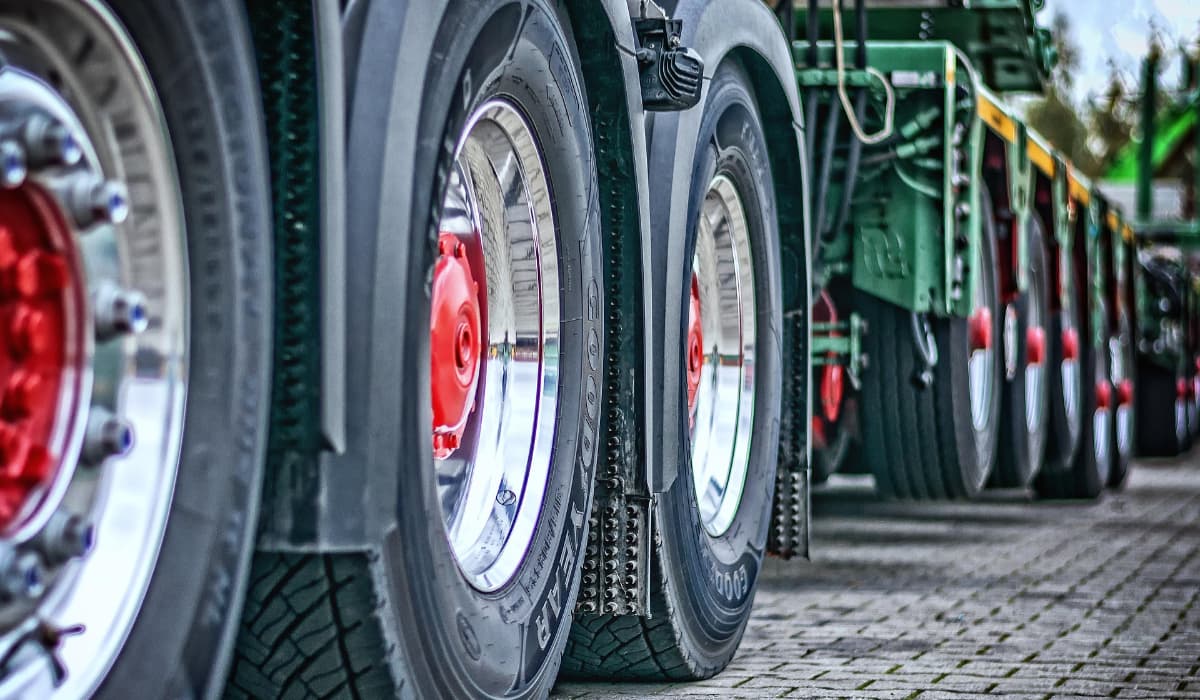
Liquor transport in India operates within a highly regulated system because alcohol is one of the largest sources of state excise revenue. Every litre transported across states or districts is taxed differently, which creates opportunities for smuggling, illegal diversion, and tax evasion.
Tankers carrying alcohol or spirits often move across multiple states, warehouses, and checkpoints before reaching licensed retailers or manufacturers. Historically, this process relied heavily on manual verification, paper permits, and physical escorts, thereby making the supply chain vulnerable to manipulation.
That vulnerability has created a parallel economy around the illegal liquor movement in several states. Smuggling, fake invoices, rerouting consignments, and dilution during transport are all long-standing issues within India’s alcohol logistics network.
One of the most common forms of liquor-related crime in India involves disguising alcohol shipments as something else entirely. On the 6th of May 2026, Maharashtra excise officials uncovered a smuggling network transporting foreign liquor worth ₹1.7 crore using fake pharmaceutical invoices. Authorities intercepted a truck carrying over 12,000 litres of liquor hidden inside boxes labelled as medical cargo on the Mumbai-Nashik Highway.
Similar incidents have appeared in other states as well. In Bihar, officials seized an oil tanker that was secretly transporting around 200 beer crates instead of fuel. The tanker carried Hindustan Petroleum branding, making the smuggling operation appear legitimate during transit.
In Gujarat and Punjab, authorities have also intercepted liquor hidden inside tankers and transport vehicles using fake documentation or concealed storage compartments. In one case near the Gujarat-Madhya Pradesh border, police recovered over 17,000 liquor bottles hidden inside a gas tanker.
These incidents highlight why liquor transportation is treated as a sensitive logistical operation rather than ordinary cargo movement.
The new system replaces traditional manual locks with GPS-enabled digital locks linked directly to excise monitoring systems. Once the tanker is sealed, authorities can track the vehicle’s movement throughout the journey.
If the vehicle deviates from its approved route, stops unexpectedly, or the lock is tampered with, alerts are immediately generated for excise officials. In many cases, the lock itself can only be opened using a one-time password once the vehicle reaches its approved destination.
The Maharashtra government believes this system will reduce dependence on manual escorts, increase transparency, and improve accountability across alcohol transport networks.
Maharashtra is not the first state to adopt digital monitoring for liquor transportation. States such as Uttar Pradesh, Bihar, Madhya Pradesh, and West Bengal have already implemented similar GPS-based tracking systems to curb bootlegging and revenue leakage.
What makes Maharashtra’s move significant is the scale. As one of India’s largest alcohol markets, the state handles massive volumes of interstate and intrastate liquor movement every day. A tighter monitoring system could influence how other states approach alcohol logistics in the future.
The move also reflects a larger shift happening across India’s alcohol-beverage industry. Supply chains are becoming more digitised, monitored, and data-driven, especially in areas involving taxation and excise compliance.
.jpg&w=1920&q=75)
Liquor transportation has long remained vulnerable to theft, smuggling, and illegal diversion because of the sheer complexity of India’s excise system. By introducing real-time tracking and tamper monitoring, Maharashtra is trying to reduce those loopholes while improving transparency and protecting state revenue.
More importantly, it shows how technology is quietly reshaping even the less visible parts of India’s alcohol industry, far beyond what consumers actually see on store shelves or bar menus.
.jpg&w=3840&q=100)
.jpg&w=3840&q=100)
.jpg&w=3840&q=100)