
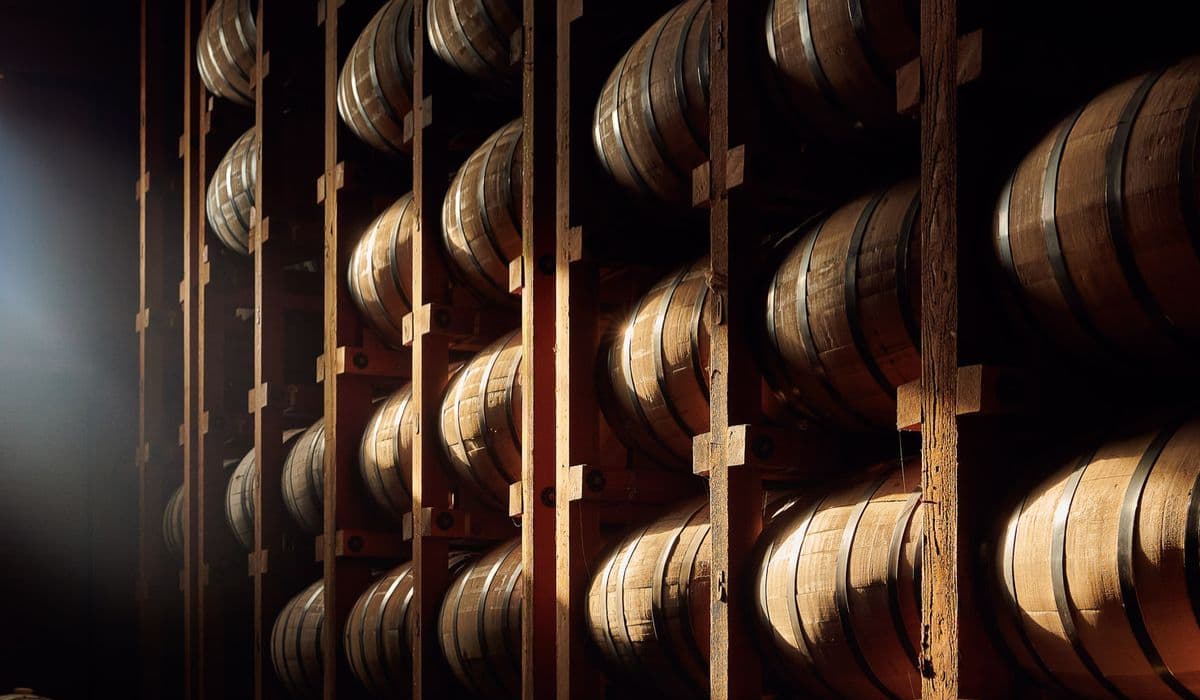
Whiskey is invariably discussed in terms of its age, its distillery, and the craftsmanship of the whiskey. The one thing about it which is rarely given the same consideration is the oak barrel. The barrel is absolutely vital in terms of imparting color, aroma and flavor to the whiskey. For the more premium producers it's a very important element in the creation of a distinct expression.
Interestingly an oak barrel doesn't necessarily spend its whole working life at one distillery. An oak barrel used originally to mature bourbon in Kentucky might well go on to spend several more years maturing Scotch in Scotland. It's a perfect example of how the barrel links the two great whiskey industries and why the barrel's value is so much more than just a vessel for alcohol.
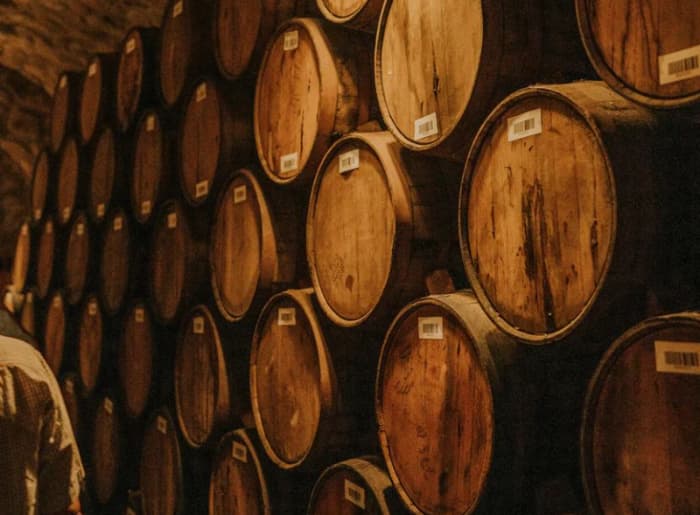
Oak has been used for centuries as a container for the storage and transport of liquids due to its strength and durability and its ability to form a watertight container. Its importance in the production of whiskey is of course much greater than that. The spirit in contact with the wood during the maturation process will absorb the compounds in the wood and as a result will develop new aromas, flavors and color.
Oak can bring the characteristics of vanilla, caramel, spice and toasted wood. The end result is very much a function of a number of factors: the species of oak, how the barrel was made, what it had previously held and the length of time it was in contact with the spirit. American and European oak can produce very different results and for the premium producer the choice of wood is of paramount importance.
The journey of so many of the barrels starts at an American cooperage where the barrels are made by the cooper, the skilled craftsman. The staves are shaped, assembled and heated and then the inside of the barrel is charred. That charring of the inside of the barrel is what changes the surface of the wood and is what affects how the wood will interact with the spirit as it matures.
Under US regulations bourbon must be aged in new charred oak. The oak has to be new, never having been used to age any other whiskey. That fresh oak is what gives bourbon its vanilla, caramel and toasted oak character. Once the bourbon has been drawn off the barrel it can then be sold and used by other producers (e.g. Scotch whiskey producers) to age their own product.
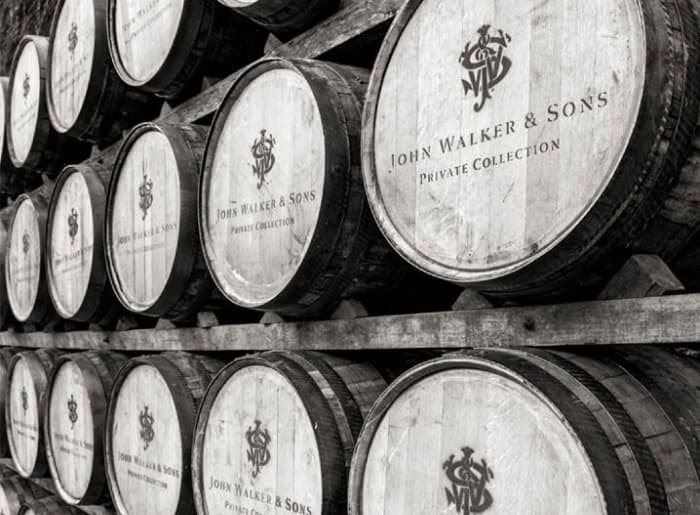
After its first maturation cycle an American bourbon barrel can be shipped over to Scotland where it becomes an ex-bourbon cask. They're very widely used in Scotch the production of whiskey as they do add a lot of desirable flavors and they're maturing in a completely different environment to a new oak cask.
A first fill ex-bourbon cask is one that has been used to mature Scotch whisky for the first time. A refill cask is one that has been emptied and used again. Each time it is used the wood's influence on the spirit changes. This enables the distillery to choose the cask that will give them the character they're after, whether that's a very pronounced oak character or a more subtle maturation.
Ever wondered what the difference between whiskey and bourbon is? Find out what sets them apart and which one best suits your taste.
The flavor of whisky is affected by a number of stages in its production, with maturation being especially important in the development of the final character. As the whisky matures in the oak cask it will extract a number of compounds from the wood and will undergo a number of chemical changes. Temperature, humidity, cask size and maturation time are all factors which can have an influence.
Ex-bourbon casks are the usual suspect when it comes to vanilla, honey, coconut and light spice. Sherry seasoned casks can bring in the more typical notes of dried fruit, nuts and a bit of spice. That's why so many distillers will go to different cask types to create different expressions. Some distilleries will actually blend whiskies that have been matured in different casks to achieve a particular character.
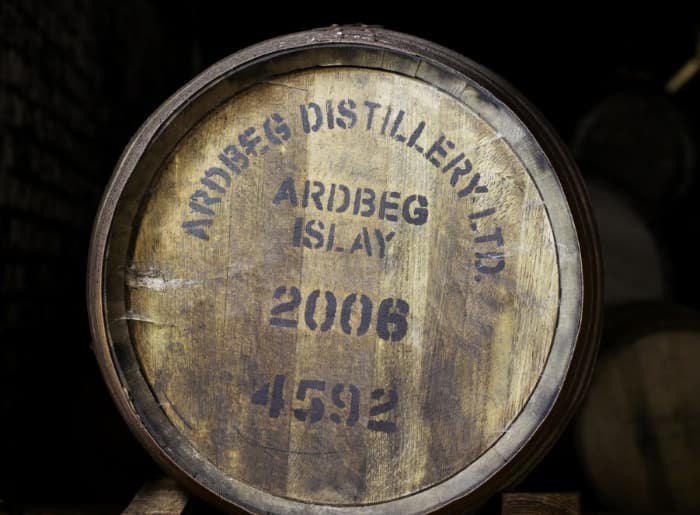
For the luxury whisky producer the choice of cask is an investment in the quality and consistency of the finished spirit. A distillery will go to considerable lengths to consider the provenance of the wood, the way the cask is built, its previous use and how it will affect the whisky over the years. The right cask will add complexity and balance, the wrong one will quite simply not give you the right flavor.
The Macallan is a good example of a premium Scotch house that really does put the emphasis on cask management. They're particularly famous for their sherry-seasoned oak casks and state that as much as 80% of the final character and flavor of the whisky is derived from the cask. The cask preparation itself can take around five years, which is a very significant investment of time prior to even getting to the actual maturation of the whisky.
Oak casks can be used several times, though their ability to impart particular flavors decreases with each use. The readily extractable compounds in the wood get used up with each filling. Older casks can still be of use though, particularly if you're a distiller who wants to age the spirit without the cask being too dominant.
Some barrels are repaired or rejuvenated in order to extend their life. A cooperage may replace a damaged stave, repair a stave joint or other structural element, or treat the interior of the barrel to improve the interaction of the spirit with the wood. When a barrel is no longer fit for use in the maturation of whisky it can be put to other uses and turned into furniture or other wooden goods.
Curious about American whiskeys beyond bourbon? Discover the different styles, from bourbon to American single malt, and what makes each one unique.
This is all drawn from the US Alcohol and Tobacco Tax and Trade Bureau (TTB) regulations, the Scotch Whisky Association guidance and the information published by The Macallan. The TTB regs, the SWA guidance and the Macallan information all cover the cask requirements for bourbon and Scotch whisky respectively, the choice of oak, the cooperage, the sherry seasoning and the impact of cask maturation on the final flavor, color and character of the whisky.
The journey of an oak barrel from an American bourbon distillery to a Scotch whisky warehouse is a very good illustration of the role of wood in whisky. You start with a brand new charred barrel in Kentucky and end up with it being a very important maturing cask for a premium Scotch whisky made on the other side of the world.
For the distillery the barrel is much more than just a vessel. It has a huge impact on the flavor, it's part of the whisky's character and it's a marker of the quality of the work that's been done. The whisky in the bottle gets all the attention but the barrel that's done the work to make it what it is has its own story.