
For decades, alcohol has occupied a strange, glittering space in pop culture. It’s been shorthand for rebellion, adulthood, heartbreak, celebration, success, and sometimes even genius. From the tortured artist nursing a drink at a bar to the glamorous party montage complete with champagne sprays, alcohol has rarely been portrayed as just… a beverage. It’s been an aesthetic, a personality trait, even a rite of passage.
But in 2026, with changing attitudes, wellness trends, and a generation far more self-aware than its predecessors, a valid question emerges: is alcohol still cool, or are we just clinging to a romanticised version of it?
Alcohol’s cultural coolness wasn’t accidental. Cinema, music, advertising, and literature worked together to create a narrative where drinking equalled depth and desirability.
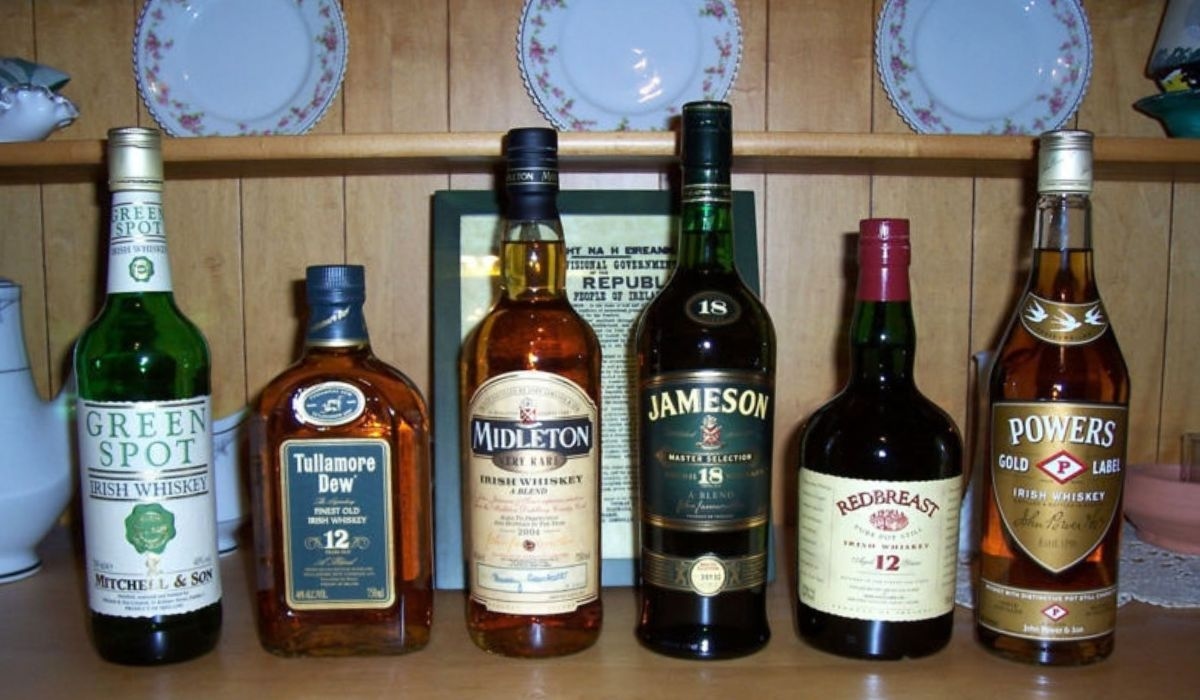
In films, the brooding protagonist drinks whisky neat, signalling emotional complexity. In rom-coms, wine becomes the cure-all for heartbreak. In music, lyrics celebrate tequila-fuelled nights and champagne lifestyles. Advertising wrapped alcohol in ideas of sophistication, masculinity, femininity, freedom, and aspiration.
Drinking wasn’t just about intoxication – it was about identity. You didn’t just drink; you were a “beer person,” a “wine girl,” a “whisky guy.” Alcohol helped people signal who they were or who they wanted to be.
Fast forward to the social media age, and alcohol found a new role: content.
Cocktails are no longer just ordered; they’re photographed. Bars are judged as much by lighting and glassware as by taste. A drink that looks good on Instagram often matters more than how it feels the next morning.
This has shifted drinking from a sensory experience to a performative one. You’re not just drinking – you’re documenting that you’re drinking. Alcohol becomes a prop in the story we tell online: the fun night out, the soft-launch date, the “main character” moment.
In this context, alcohol isn’t necessarily cool because of how it makes us feel, but because of how it makes us look.
At the same time, a quiet rebellion is brewing.
Gen Z and younger millennials are drinking less, questioning more, and openly talking about boundaries. “Sober curious” is no longer niche vocabulary. Choosing not to drink – or to drink occasionally – is slowly losing its stigma.
This shift isn’t driven by moral panic, but by practicality. People are asking real questions:
Alcohol, once framed as an escape, is now also seen as something that can amplify anxiety, disrupt sleep, and dull productivity. The cost-benefit analysis is changing.
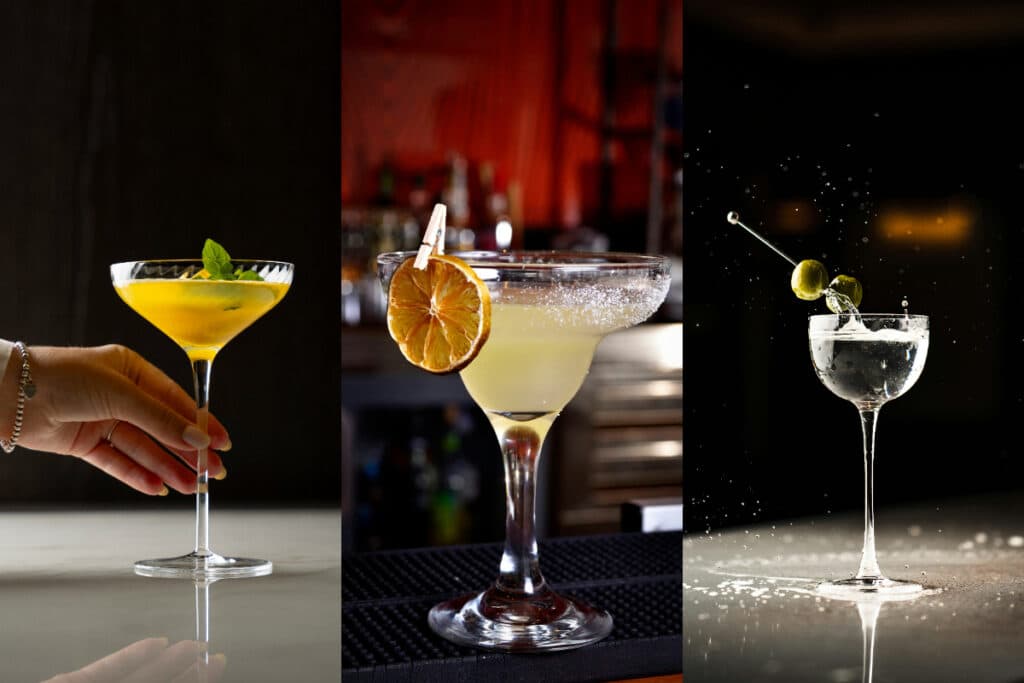
One of the biggest reasons alcohol remains romanticised is what pop culture leaves out.
We see the clinking glasses, the laughter, the dramatic confessions at 2 a.m. What we rarely see is the next day – the dehydration, the regret texts, the lost hours, the mental fog. The glamour stops when the credits roll.
By skipping the consequences, pop culture preserves the illusion that drinking is endlessly rewarding and rarely costly. In reality, many people are realising that the “cool” moments are brief, while the aftermath can linger.
Not entirely – but it is being repositioned.
Alcohol is no longer the unquestioned centre of social life it once was. Mocktails, non-alcoholic beers, and alcohol-free spirits are no longer apologetic alternatives; they’re legitimate choices. Wellness culture has made rest, clarity, and balance aspirational in their own right.
What’s changing is not alcohol’s presence, but its authority. It no longer gets to define adulthood, confidence, or fun by default.
The honest answer? Sometimes – but not automatically.
Alcohol can still be enjoyable, social, celebratory, and meaningful in the right context. But the idea that drinking itself is what makes moments cool is losing credibility.
What we’re really letting go of is the myth: that alcohol equals depth, freedom, or personality. In 2026, cool looks more like choice than conformity. It’s knowing when you want a drink – and when you don’t – without needing to justify either.
Perhaps alcohol was never cool on its own. Perhaps we just projected our desires onto it: to belong, to escape, to feel something. Now that we’re more honest about those needs, the romance is fading – and clarity is taking its place.
And maybe that’s not uncool at all.