
Rum comes in various types. But if there is one type of rum that is immediately recognizable to all, it is Jamaican Rum. Owing to its bold, fruity, overripe, savory, and undeniably intense flavor, Jamaican rum stands out in the global rum landscape. One of the most unique aspects of the rum is what is known as Hogo, or the Funk. It is the gamey scent of the rum that the French initially dubbed ‘Haut goût,’ meaning high taste or the intense flavor of wild game meat. Unlike lighter, multi-column distilled Caribbean rums, Jamaica’s unique taste is the result of deliberate historical techniques. These include prolonged wild fermentation, dunder, muck pits, and 100 percent copper double-retort pot stills.
A significant part of the Jamaican rum's character is influenced by its aroma, which is due to what are called esters. Esters basically are organic chemical compounds that are created when alcohol reacts with acids during long fermentation. Two of the most influential esters are Ethyl Butyrate and Ethyl Acetate. In the rum, they produce aromas of overripe banana, pineapple, roasted papaya, jackfruit, solvent, and varnish.
.jpg&w=1920&q=75)
While producing Jamaican rum, distilleries keep an eye on the level of esters in the rum. They measure ester levels in grams per hectoliter of pure alcohol (g/hLAA). This ranges from low-ester common cleans to high-ester continental flavor spirits. The following is the categorization based on the traditional Jamaican ester scale:
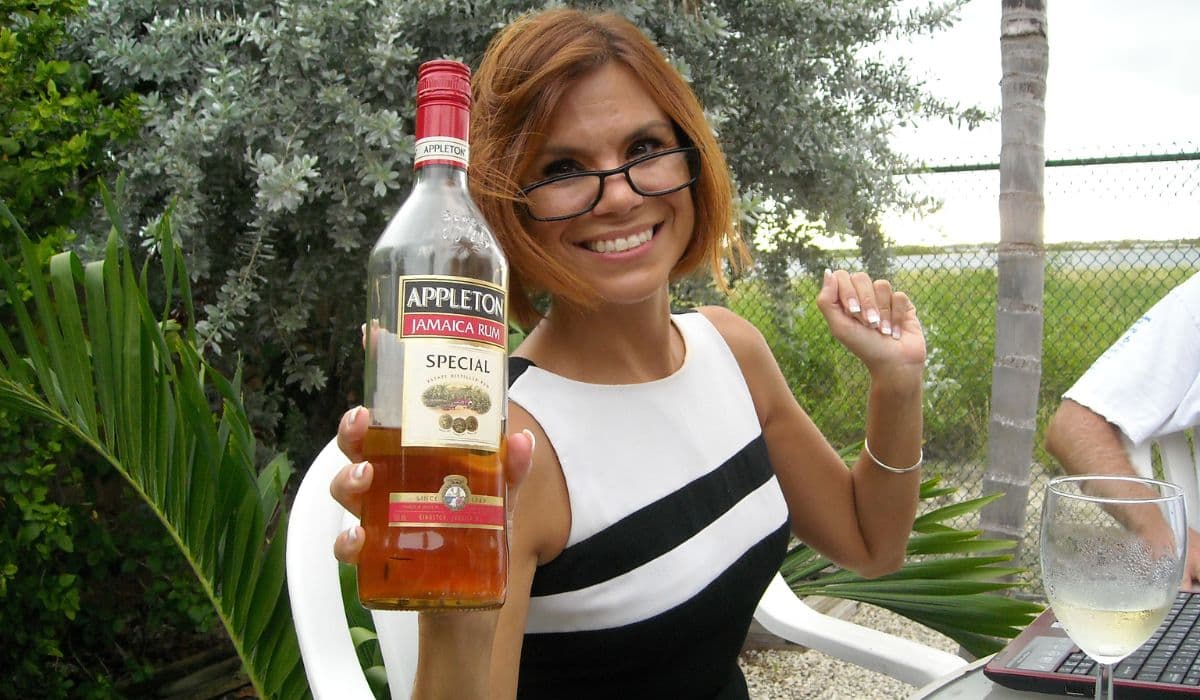
Common Cleans (40 to 80 g/hLAA): This category is light, clean, and floral. Bottles like Appleton Estate are some of its core expressions.
Plummer And Wedderburn (150 to 300 g/hLAA): This particular type of rum is medium-bodied and fruity, and is among the classics of mixing rums.
Continental Flavors (up to 1,600 g/hLAA): This particular type of rum has an extreme concentration of esters, which gives the spirit a pungent, overripe, and aromatic dimension. Hampden Estate, Rum Bar by Worthy Park, and Long Pond high-marques are good examples of this expression.
Dunder is basically the acidic and nutrient-rich liquid byproduct that gets left behind in the bottom of the pot still after distillation. It is similar to sour mash remainders in bourbon or backset in rye. This acidic, nutrient-rich mush gets aged and recycled back into new molasses wash batches. It then feeds the wild yeast, which then creates concentrated carboxylic acids that get turned into esters.
The muck pit is the second part of what helps Jamaican rum achieve its unique flavor profile. Many traditional distilleries that produce Jamaican rum, such as Hampden Estate, maintain outdoor pits containing dunder, sugarcane cane trash, and fruit waste to cultivate bacterial cultures such as Clostridium and Acetobacter.
This then lets the bacteria produce short-chain volatile fatty acids such as butyric, caproic, and valeric acids, which recombine with ethanol during distillation to unleash the legendary and characteristic tropical fruit "funk" found in Jamaican rums.
Also Read: Radico Khaitan Unveils A Fresh New Look For Lemon Dash Flavored Rum
.jpg&w=1920&q=75)
Industrial rums ferment molasses in 24 to 48 hours using commercial lab-grown yeast. Traditional, high-ester Jamaican rum, on the other hand, ferments in open wooden vats for two weeks to a month, relying on wild airborne yeasts and native microflora. The use of mineral-rich limestone-filtered water from Jamaican underground aquifers feeds the yeast during the fermentation process. This process not only adds more character to the rum but also balances its pH.
The copper double-retort pot stills also play a crucial role in the making of Jamaican rum. Heavy copper contact removes unwanted sulfur compounds from the rum. This contact with copper also aids in preserving heavy, oily congeners.
The Jamaican pot stills feature two retorts, low-wines and high-wines vessels, that are connected between the pot still and the condenser. This particular design of the double-retort mechanism amplifies flavor concentration in a single distillation pass. It ends up yielding a rich, thick, heavy-bodied spirit.
Also Read: FSSAI: Old Monk Cannot Be Sold As Rum
The unique identity of Jamaican rum has been preserved and fine-tuned with as much intention as any other well-made spirit. It is not simply a result of accident. The craft of making Jamaican rum relies on wild yeasts, dunder, high esters, and copper pot stills. So, regardless of the aspect of Jamaican rum you love the most, be it the subtle molasses sweetness or extreme tropical funk, Jamaican rum remains one of the purest, most unadulterated spirits in the world.