
Karnataka has seen a 2.4% fall in per capita pure alcohol consumption as a result of the new alcohol tax regime. That's interesting in that it's a fall in pure alcohol consumption even though total alcohol sales have gone up and excise revenue has actually increased. The implication is that people are drinking less pure alcohol and more of the lower alcohol content varieties.
Karnataka introduced its AIB (alcohol in beverage) scheme on 11th May 2026, replacing the old system which was largely based on volume and price of the beverage. The new system is based on the actual quantity of alcohol in the beverage, so alcohol strength is a key determinant of the tax.
The reform also reduced the number of excise pricing slabs from 16 to 8. By linking the tax more closely to the alcohol content, it's a system which can have an effect on both the price of the product and on the manufacturers' choice of strength.
The new tax regime has been matched by a shift in consumption toward drinks with less alcohol. The combined share of beer and wine, which tend to have lower alcohol content than spirits, has gone up in Karnataka as alcoholic drink sales have gone up from 36% to 45% over the last year.
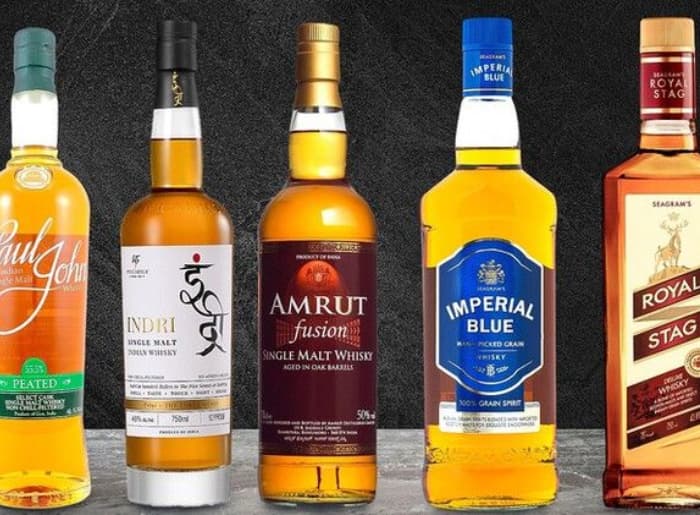
Manufacturers have also stepped in and altered the strength of some of their products. A number of the Indian made foreign liquor (IMFL) brands have reduced their alcohol content from 42.8% ABV to 40% ABV. As a result the average alcoholic strength of IMFL available in Karnataka has come down to around 40.5% according to the association.
While per capita consumption of pure alcohol has declined, the total volume of alcohol sold in Karnataka has actually gone up by about 16%. That's a very important distinction to make as the per capita figure doesn't necessarily equate to people drinking less. The 16% figure is the total volume of alcohol sold, which is lower in terms of pure alcohol content.
IMFL case sales also rose by 1.1% between April and September 2026 as opposed to a 1% decline in the same period last year. So once again the market in Karnataka is growing even as the mix of products is changing.
Curious about Karnataka's local flavors? Discover 5 unique ingredients that bartenders should already be using to create distinctive cocktails.
Excise collections for the State came in at INR 22,191.63 Cr for April-September 2026. a 13.4% YoY increase. The fact that we are seeing such a rise in collections in the face of the reported decline in per capita consumption of pure alcohol is of course of some interest.
The rate of decline is quite impressive and points to international examples of alcohol content based taxation. The idea is that such a system could be used to achieve a balance between the need to raise revenue and the need to reduce consumption. The data at hand will only establish an association between the policy and the level of consumption, not prove that the tax was the cause of the decline.
Wondering why beer sales are rising in Karnataka? Find out what the latest excise data reveals about changing drinking preferences.
This is based on a range of business reports, announcements from the Karnataka Excise Department and financial research relating to the state's alcohol content based excise system. The reports detail the new excise structure, the 2.4% fall in per capita pure alcohol consumption, the 13.4% increase in revenue and the changes in the sales of beer, wine and spirits.
Heard about Karnataka's strict age verification orders for pubs and bars? Discover what the new measures mean for establishments and customers.
Karnataka's early figures suggest that the new alcohol tax regime has been accompanied by changes in consumer preferences and manufacturers' product mixes. Beer and wine have taken market share, some of the spirits have been diluted and excise collections have continued to rise.
Whether these trends last will depend on how the market behaves over a longer period. Karnataka at the moment provides an early example of what happens when you link the alcohol tax to the strength of the beverage. It appears to affect consumption without necessarily affecting total sales.