
If you've got a bottle of vermouth sitting on your home bar alongside your whiskey, gin and vodka then you might want to think again about where you're keeping it. It's a wine based product like all the others and once opened it does require a bit more care. The higher alcohol content will provide some degree of stability, but even then, leaving an open bottle of vermouth at room temperature will still affect the flavor and bouquet over time.
So does vermouth need to be refrigerated after opening? Yes it does. Whether you're making a Martini, a Manhattan or a Negroni, proper storage of your vermouth will make a real difference to your cocktails. Knowing why it needs to be refrigerated, how long it will last and when you need to replace an opened bottle is all part of the process.

Vermouth is a fortified and aromatic wine, flavored with an array of botanicals such as herbs, roots, spices and citrus peels etc. It's quite different to whiskey or vodka which are generally around 40% ABV. Vermouth is of course fortified and as such is quite stable, but it will still oxidize once the bottle has been opened.
When oxygen gets into the bottle it starts to react with the compounds which give vermouth its flavor and aroma and this will cause the herbal and botanical nature of the vermouth to go. Chilling it will slow down the chemical reactions which are responsible for the oxidation of the vermouth and thus will help to preserve the vermouth's character. That's why companies like Martini recommend that you chill your vermouth.
The vermouth shelf life will vary depending on the brand, the storage environment, and how often the bottle is opened. Martini's own guidance is that an opened bottle of vermouth will keep for around one month when refrigerated. After that it will of course start to go off in terms of flavor and aroma. That said it's a freshness guide as opposed to an expiry date and other manufacturers will have their own estimates.
An unopened bottle be consumed within 48 hours of opening for the best flavor. If you refrigerate it, they state the vermouth will last for a month or so. A properly sealed and refrigerated bottle may actually last several months, though the flavor will of course change over that time. The point being that opened vermouth doesn't have one single shelf life. For the home bartender, using an opened bottle in around one month is probably the way to go unless the manufacturer says otherwise.
Heard about Davana Vermouth Indica expanding to four new Indian markets? Discover where the brand is heading next and what this expansion means.

Sweet and dry vermouth are different in their flavor, their level of sweetness and their use in cocktails. Both need to be refrigerated once the bottle has been opened. Sweet vermouth is generally sweeter and has a more robust flavor, and is the type you'll find in a Manhattan or a Negroni. Dry vermouth is much less sweet and tends to be more herbal and floral in character, and is the type you'll find in a Martini.
With regard to sweet vermouth, its higher sugar content doesn't in any way mean it'll last longer. Sugar may affect the make up of the drink but it doesn't stop it oxidizing. The same applies to dry vermouth in that its delicate botanical aromas will inevitably fade with time. Martini recommends that both types should be stored in the fridge and you should always follow the individual manufacturer's instructions as to how long their vermouth will stay fresh.
Looking to experiment with dry vermouth? Discover 5 easy dry vermouth cocktails worth trying at home.
Leaving an open bottle of vermouth at room temperature will, of course, hasten changes in its flavor. A vermouth that started off fresh, herbal and well balanced can quite readily go stale and flat. This is especially relevant in the case of cocktails where vermouth is a key component. Oxidized dry vermouth will dull the fresh herbal character of a Martini, whilst older sweet vermouth can have a detrimental effect on the balance of a Manhattan or a Negroni.
Oxidation doesn't necessarily mean the vermouth is now unsafe to drink. The more important issue is usually one of degraded quality. If the bottle has developed odd smells, has changed dramatically in appearance, has any kind of mold in it or otherwise looks or smells off then it's probably best to just get rid of it. Chilling will slow the process of oxidation but won't bring a bottle back to its original state.

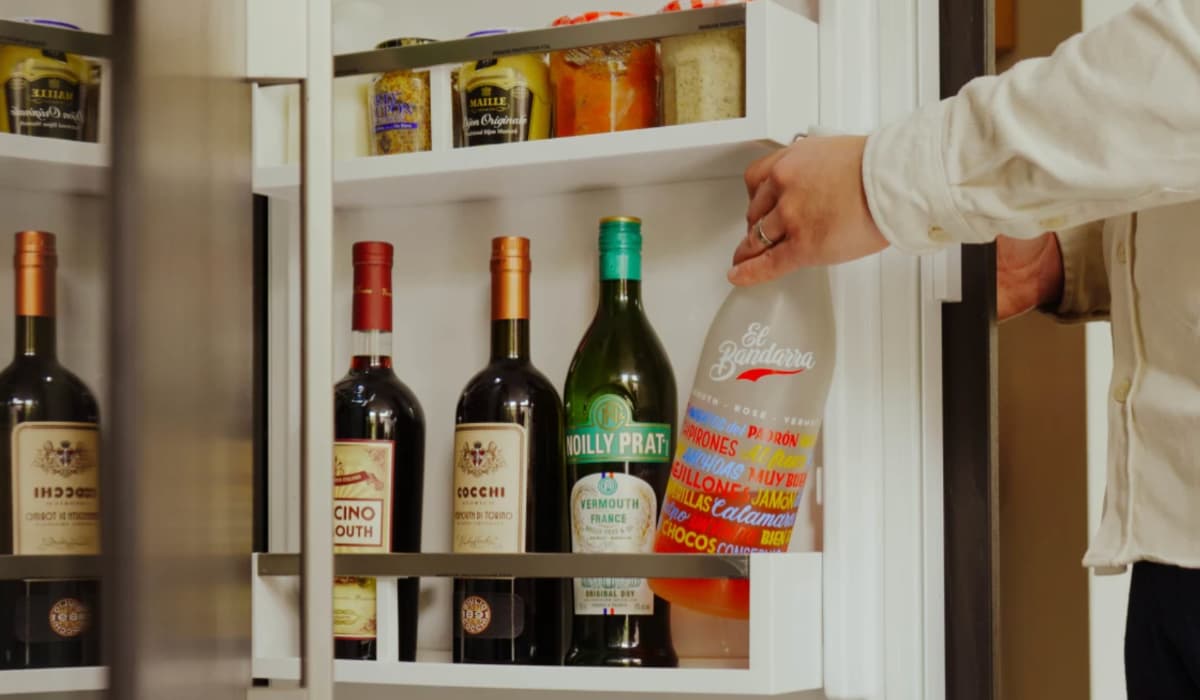
Understanding how to store vermouth properly will go a long way towards keeping it fresh and minimizing waste. Before it's opened it can usually be stored in a cool, dark place, away from direct sunlight and excessive heat, unless the manufacturer states otherwise. Once opened it should be stored in the fridge and the bottle should be tightly re-sealed after each use. It should also be stored upright and any exposure to oxygen should be minimized.
For the occasional cocktail maker, buying smaller bottles may be the more sensible option than having a large bottle sitting open for months. Wine preservation systems, which work by minimizing oxygen exposure, may be of some use, though the degree of effectiveness is variable. They're a supplement to refrigeration rather than a replacement for it. Even in the fridge the vermouth will continue to change slowly so it's still important to use it within the manufacturer's recommended 'best before' period.
This is all drawn from the official storage recommendations of Martini, Vya Vermouth and Vermont Vermouth, as well as from Difford's Guide. They cover the effect of refrigeration, oxidation, light and temperature on the freshness of vermouth, the difference between sweet and dry vermouth and the recommended period for which you should keep vermouth once it's been opened.
Vermouth can be found on the same shelf as whiskey, gin and vodka but being wine based it needs to be treated differently once opened. Both sweet and dry vermouth should in general be kept in the fridge to slow down oxidation and preserve the characteristic botanical flavors.
Although manufacturer recommendations vary, approximately one month in the refrigerator is a useful freshness target for many vermouths. The next time you prepare a Martini, Manhattan, or Negroni, checking how long your vermouth has been open could make a significant difference to the finished cocktail.