
When people celebrate gin, they often focus on the spirit itself. Yet, one of the most important ingredients behind many iconic gin cocktails remains largely underappreciated. Yes, we’re talking about ‘vermouth’.
Whether you're sipping a Martini, a Negroni, or a Martinez, vermouth plays a crucial role in shaping the drink's flavor, aroma, and balance. In fact, many classic gin cocktails would simply not exist without it. So this World Gin Day, it’s worth taking a closer look at vermouth: what it is, the different styles available, and how to store it properly so every cocktail tastes as good as the bartender intended.
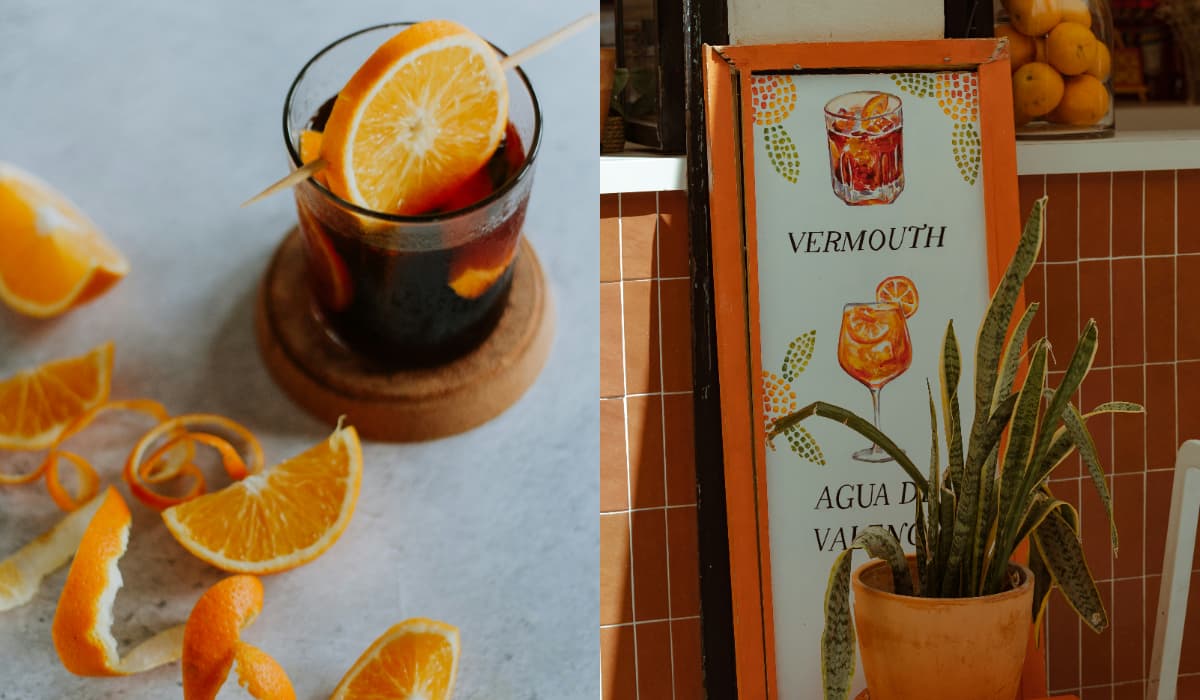
Vermouth is a fortified and aromatized wine. In simple words, it starts as wine that is strengthened with additional alcohol and infused with various botanicals, herbs, spices, roots, flowers, and citrus peels.
The name “vermouth” originates from the German word wermut, meaning wormwood, one of the traditional botanicals used in its production. While wormwood remains an important ingredient in many vermouths, modern producers use dozens of other botanicals to create distinctive flavor profiles.
Vermouth is a wine-based spirit, meaning that it retains many characteristics of wine while gaining complexity from botanical infusions and fortification. Most vermouths typically range between 15% and 18% ABV, making them lighter than most spirits but stronger than standard wine.
Gin and vermouth are essentially one of the most famous combinations in cocktail history. The dry Martini, arguably the world's most famous gin cocktail, relies heavily on dry vermouth. A Negroni combines gin with sweet vermouth and bitter aperitif. The Martinez, often considered a precursor to the Martini, showcases sweet vermouth prominently.
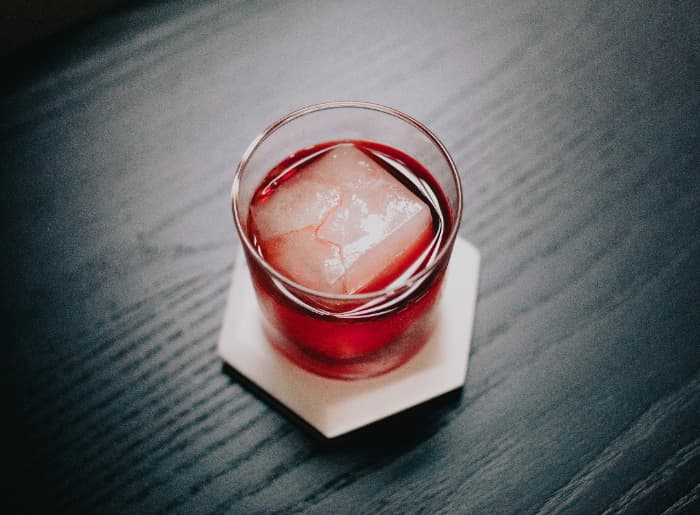
Vermouth acts as a ‘softener’, softening the gin’s sharper botanical edges while contributing layers of herbal, floral, spicy, and fruity flavors. The result is a balanced and sophisticated drink that is difficult to resist.
Now that we know what vermouth is, let’s take a look at the different kinds of vermouth. Not all vermouths taste alike. Depending on their style, color, sweetness level, and botanical composition, they can dramatically alter a cocktail.
Let's explore some major categories.
Dry vermouth is perhaps the most recognizable style for gin enthusiasts. Typically pale in color and relatively low in sugar, dry vermouth emphasizes herbal, floral, citrus, and mineral notes. It offers crispness and elegance rather than sweetness. Dry vermouth has common tasting notes like:
Dry vermouth is most famous for its role in:
In a Martini, even a small amount of dry vermouth can significantly influence the cocktail's character. Some bartenders view vermouth not as a supporting ingredient but as an equal partner to the gin.
Sweet vermouth is darker in color in comparison to dry vermouth. The color often ranges from amber to deep reddish-brown.
Originating largely from Italy, sweet vermouth is richer, fuller, and more complex than dry vermouth. Despite the name, it isn’t overwhelmingly sugary. Instead, it balances sweetness with bitterness and spice. Sweet vermouth has interesting notes of:
Sweet vermouth is essential in classic cocktails such as:
Blanc vermouth lies somewhere in the middle, occupying the middle ground between dry and sweet styles. It is typically clear or pale golden in appearance, delivering noticeable sweetness while retaining bright, floral, and herbal characteristics. Typically, expect notes of:
Blanc vermouth works beautifully in:
Many bartenders appreciate blanc vermouth because it provides sweetness without the heavier spice profile of traditional sweet vermouth.
Rosé vermouth, also called vermouth rosato, is a relatively modern style that has gained popularity in recent years. Made using red and white wines, rosé vermouth combines freshness, fruitiness, and floral complexity. It has the typical tasting notes of:
Rosé vermouth shines in:
Its lighter profile makes it especially appealing during warmer months and outdoor celebrations.
Also Read: Best Gin Cocktails For World Gin Day 2026
Extra dry vermouth, as the name suggests, takes the concept of dry vermouth even further. These expressions contain minimal sugar and focus intensely on herbal, mineral, and botanical characteristics. Extra dry vermouth has the flavor profile consisting of notes like:
Extra dry vermouth is ideal for:
It allows the gin to remain the dominant flavor while adding subtle complexity.
Many home bartenders often treat vermouth as an optional ingredient without realizing how it can leave a lasting influence in your cocktail.
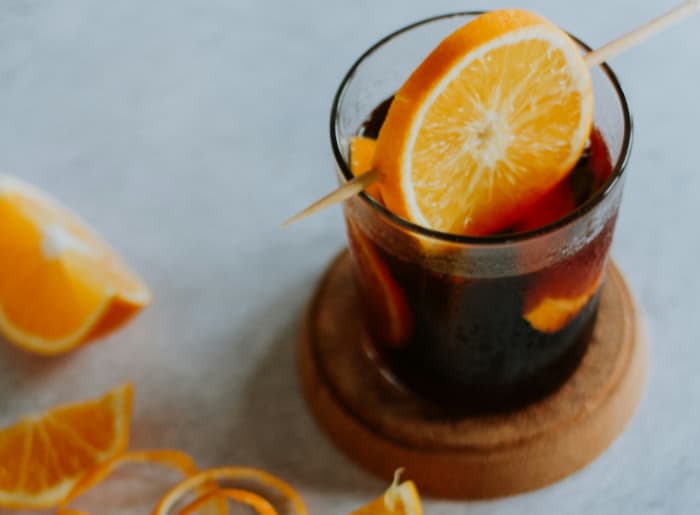
In fact, experimenting with the vermouth can completely transform a cocktail.
For example:
Produces a crisp, classic Martini with herbal elegance.
Creates a softer, floral, slightly sweeter drink.
Delivers richer, spice-forward cocktails like the Negroni and Martinez.
Results in bright, refreshing summer cocktails.
Also Read: World Vermouth Day: Celebrating The Botanical Heart Of The Cocktail
Vermouth, whether it is dry or extra dry or sweet, must be stored with care. However, one of the biggest misconceptions about vermouth is that it can be stored like a bottle of whisky or gin. Since vermouth is wine-based, it acts just as much – and sometimes even more – like wine after opening. Here’s how to store it properly!
Always refrigerate vermouth once the bottle has been opened. Exposure to oxygen gradually degrades the flavors, causing freshness to disappear over time.
Minimize contact with air by closing the bottle immediately after use. A tightly sealed bottle helps preserve aromas and flavor integrity.
Store vermouth away from heat and sunlight for a prolonged period. UV exposure and high temperatures accelerate oxidation and can significantly affect flavor.
While vermouth won't become unsafe to drink after several months, its quality will decline noticeably. For the best cocktail experience, aim to finish an opened bottle within one to two months.
If you only make occasional cocktails, purchasing smaller bottles can help ensure that you're always working with fresh vermouth.
Also Read: What Is Vermouth And Why Is It Used in Cocktails? A Beginner’s Guide
This World Gin Day, knowing how to use vermouth the right way and knowing the different kinds of vermouth that exist can help you elevate your cocktail skills. While gin often takes center stage, vermouth provides the balance, depth, and complexity that make many classic drinks truly memorable. Understanding the differences between dry, sweet, blanc, rosé, and extra dry vermouth can dramatically improve your cocktail-making skills and appreciation of gin culture.
.jpg&w=3840&q=100)