
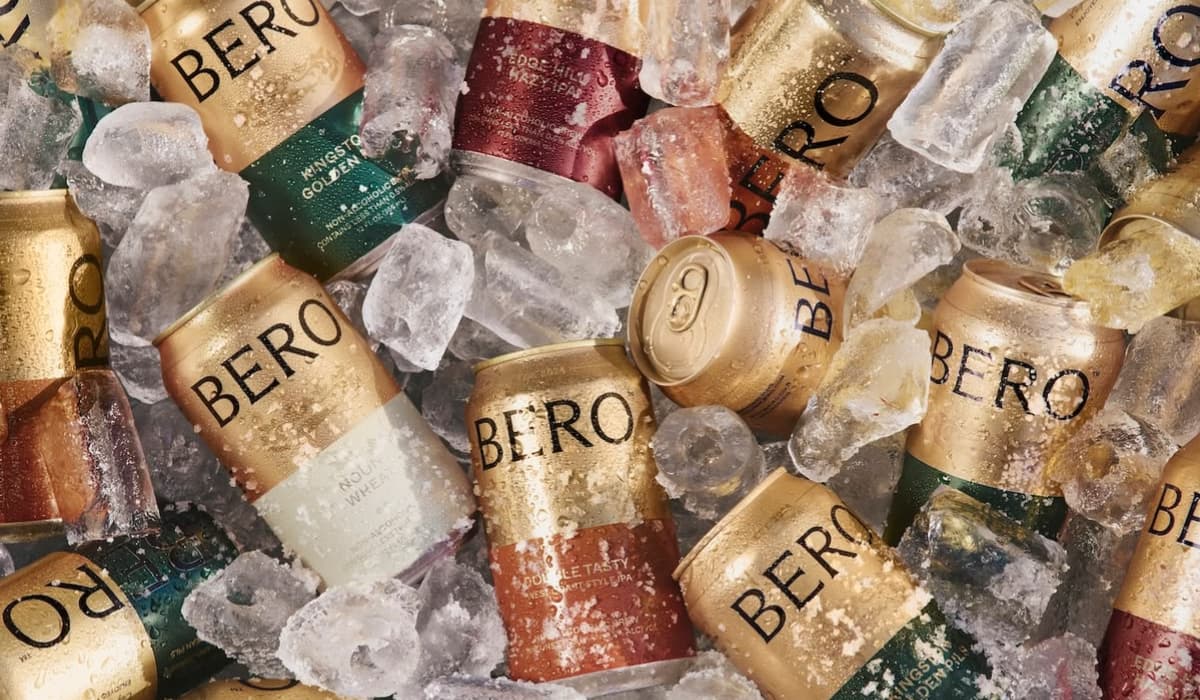
Walk into a supermarket or have a look at a beer menu and you may well come across bottles that are labelled 0.0%, alcohol free or non-alcoholic. On the surface they appear to be the same thing, implying that the beer contains no alcohol at all. The terms aren't always used in the same way and the distinction can be significant for the consumer who is looking to avoid alcohol.
While 0.0% is a specific ABV claim, non-alcoholic beer is a wider product category which can contain trace amounts of alcohol. The distinction between these labels becomes very important in India where the food safety regulations differentiate between alcohol free beer and other non-alcoholic versions of alcoholic drinks.
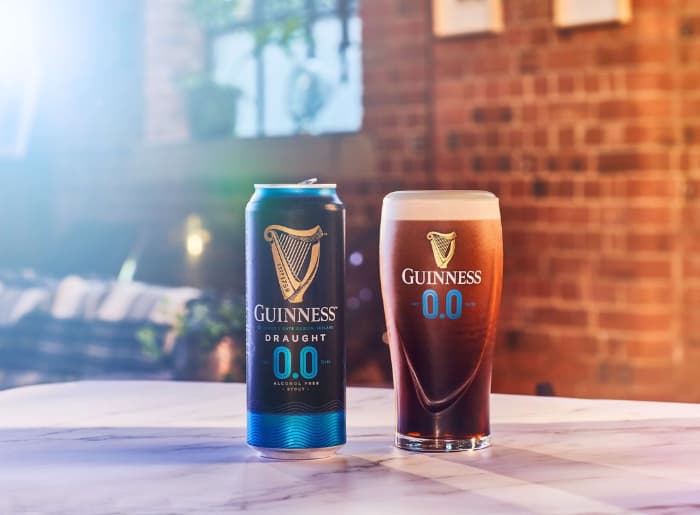
Alcohol by volume is the measure of the alcohol content in a drink. A beer that's labelled 0.0% ABV is presented as being 0.0% alcohol at the level indicated by the label. The precise interpretation of that however will depend on the country's labelling regulations and the manufacturer's own testing methodology.
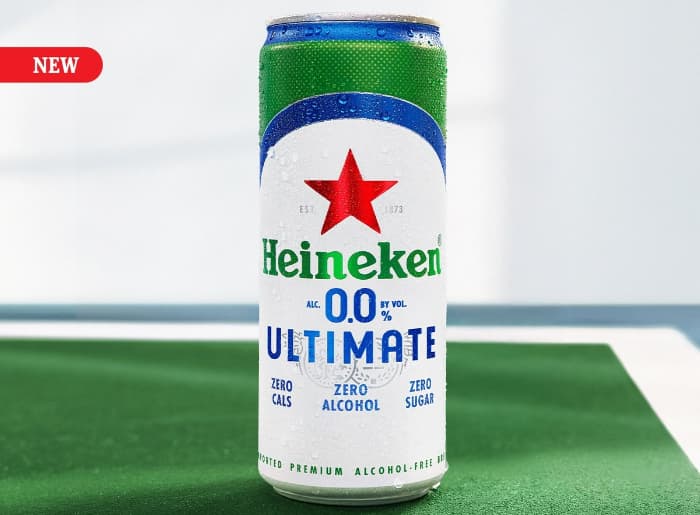
Heineken 0.0 is marketed as a 'no alcohol' beer but the Heineken website for India makes it clear that it can contain a maximum of 0.03% ABV. That's why a 0.0% label doesn't necessarily mean that there are zero alcohol molecules in the product. If you're looking to completely avoid alcohol then you should always check the manufacturer's full product specification.
Non-alcoholic beer can contain a small amount of alcohol depending on the method of production and where it's sold. In the US for example a malt beverage which is described as non-alcoholic must contain less than 0.5% ABV. So a beer with a very small amount of residual alcohol may still be legally classed as non-alcoholic.
The difference between non-alcoholic and alcohol free becomes clearer when you look at the labelling rules in the US. Alcohol free is a much stricter definition and requires the product to contain absolutely no alcohol. A non-alcoholic beer is therefore not necessarily the same as an alcohol free beer. The definitions aren't universal of course and other countries will have different standards.
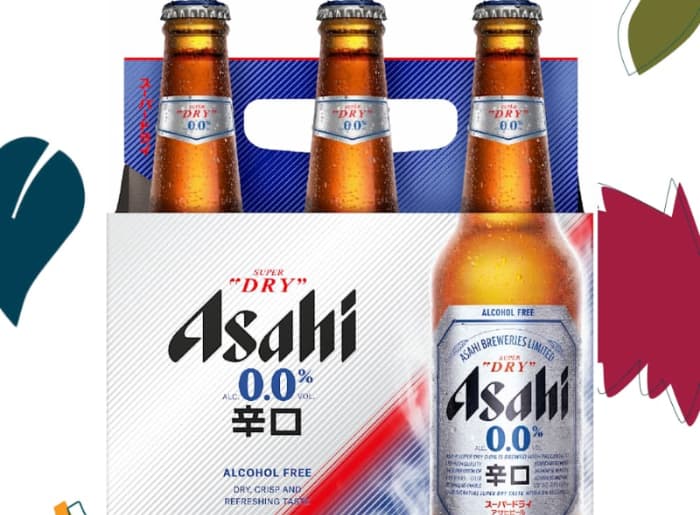
In India the FSSAI regulates alcoholic beverages and their classification. The Food Safety and Standards Regulations, 2018 classify alcohol free beer as 0.0 ABV. The regulations also provide for non-alcoholic equivalents of alcoholic beverages which may have up to 0.5% ABV as per the definition in the regulations.
This is important as alcohol free beer and non-alcoholic beer are not in fact the same regulatory category. The non-alcoholic category has its own specific production requirements. Consumers should therefore be wary of assuming that all non-alcoholic beer is the same as alcohol free beer.
In the US the threshold for non-alcoholic malt beverages is less than 0.5% ABV. The UK government guidance published is 0.05% ABV for alcohol free. That illustrates why a label used in one country may not have the exact same regulatory meaning in another.
Curious about Tom Holland's BERO Shandy? Explore its flavors, price, ABV, and the story behind the brand.
The presence of alcohol is often a function of the brewing process. In conventional beer making you have fermentation where the yeast will take the sugars and produce alcohol and CO2. A brewer making a non-alcoholic beer would be likely to use the same process and then either reduce or remove the alcohol from the beer prior to packaging.
One way is de-alcoholisation, which is the removal of the alcohol via vacuum distillation or membrane filtration etc. Another is to control the fermentation process so that the amount of alcohol produced is limited. Depending on the method used there may be a small amount of remaining in the final product even if it's being sold as an alternative to regular alcoholic beer.
Heard about drink.sober launching India's first ready-to-drink non-alcoholic Picante? Discover what makes this new alcohol-free cocktail special.
This is all based on the FSSAI regulations, the TTB labelling guidelines and the Heineken India product information. It sets out the difference between alcohol free and non-alcoholic beer, the relevant ABV limits, the labelling requirements and the ABV of Heineken 0.0.
The 0.0%, non-alcoholic and alcohol free labels can appear very similar but they don't necessarily mean the same thing in terms of alcohol content. A 0.0% beer makes a specific ABV claim whereas non-alcoholic beer can contain a very small amount of alcohol under certain regulatory definitions.
For Indian consumers the FSSAI distinction between alcohol free beer and non-alcoholic beer is very much relevant. You can check the ABV, you can check the manufacturer's product information, you can check what the labelling regulations are in the country and that will tell you what's in the bottle or the can. Remember that 'alcohol free' does not necessarily mean 'calorie free' or 'sugar free'.