

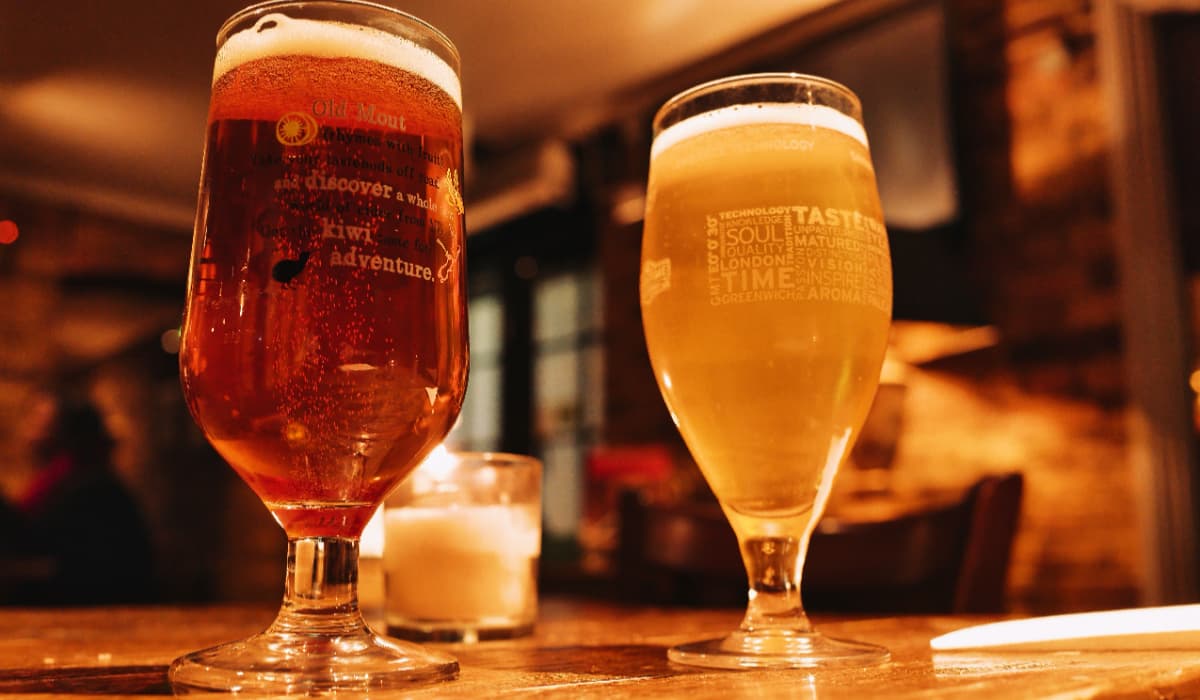
Beer is one of the oldest and most loved alcoholic beverages in the world, but if you've ever stood in front of a bar menu or supermarket shelf wondering whether to choose a lager or an ale, you're not alone.
While these are the two main categories of beer, the difference goes far beyond just the name on the label. So what is the difference between lager and ale? Let’s find out in this article!
Lager is the world’s most popular style of beer, accounting for the majority of global beer consumption. In fact, the word ‘lager’ comes from the German word “lagern”, meaning “to store”. Traditionally, lagers were brewed during colder months and stored in cool caves for several weeks or months to mature.
Lagers are brewed using bottom-fermenting yeast (Saccharomyces pastorianus) at cooler temperatures, typically between 7°C and 13°C.
This slow fermentation process produces beers that are clean, crisp, refreshing, smooth, and light-bodied.
Most popular commercial beers around the world fall into the lager category.
Also Read: How To Choose Between Lager, IPA, Wheat Beer & Stout
Ale is the older of the two beer styles and dates back thousands of years.
Unlike lagers, ales are brewed using top-fermenting yeast (Saccharomyces cerevisiae) at warmer temperatures, generally between 15°C and 24°C.
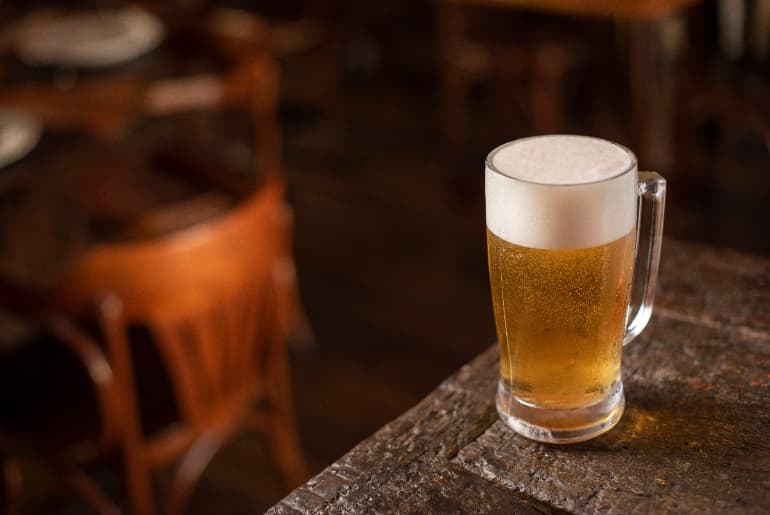
Warmer fermentation creates more fruity and complex flavor compounds (esters), making ales much more expressive in taste and aroma. Depending on the style, ales can be fruity, floral, bitter, malty, rich, hoppy, and even spicy.
Ale is an incredibly diverse category with hundreds of different styles.
Feature | Lager | Ale |
Yeast | Bottom-fermenting | Top-fermenting |
Fermentation Temperature | Cool (7–13°C) | Warm (15–24°C) |
Fermentation Speed | Slow | Faster |
Taste | Crisp, clean, refreshing | Fruity, complex, bold |
Aroma | Mild | Strong and aromatic |
Body | Light to medium | Medium to full |
Typical Bitterness | Low to moderate | Moderate to high |
Common Examples | Pilsner, Helles, Bock | IPA, Stout, Porter |
One of the biggest differences between a lager and an ale is the flavor.
Lagers are known for their clean finish because cooler fermentation produces fewer fruity esters. You can usually expect:
Ales offer much more variety. Depending on the style, an ale can taste:
For example:
Also Read: Top 05 Premium Lager Beer in India: Brands & Price Guide 2025
A common question among new beer drinkers is:
Is lager stronger than ale?
Neither category is automatically stronger because alcohol depends on the individual beer style rather than whether it's an ale or lager. Most lagers contain an alcohol content of 4% to 5.5%, while ales can contain an alcohol content anywhere between 4% and 12% depending on the style. So, while many strong beers are ales, there are plenty of high-strength lagers too.
If you’re new to beer, a lager is usually the easiest place to start. If you're new to beer, a lager is usually the easiest place to start.
Why?
Because lagers are:
Popular beginner-friendly lagers include:
Once you're comfortable with lagers, you can gradually explore ales. Good beginner ales include:
When comparing lager vs ale, neither style is objectively better – they simply offer different drinking experiences.
Lagers are crisp, clean, and highly refreshing, while ales can be vibrant and complex. If you're just beginning your beer journey, start with a quality lager to understand the basics. As your palate develops, venture into different ale styles to discover the depth and diversity that beer has to offer. Ultimately, the best beer is the one that matches your taste, mood, and the occasion.
.jpg&w=3840&q=100)
.jpg&w=3840&q=100)
.jpg&w=3840&q=100)