
The Punjab government has announced a landmark Excise Policy for 2026-27, projecting a robust excise revenue target of INR 12,800 crore for the next financial year, Finance Minister Harpal Singh Cheema said on 23rd February, Monday. The policy emphasises transparency, enforcement against illicit liquor trade, support for businesses, and a major step towards industrial self-reliance by allowing malt manufacturing units within the state.
Finance Minister Cheema highlighted that the state’s excise revenue has seen a consistent upward trend since the introduction of reforms by the current government in 2022-23. He provided a comparative historical analysis:
Cheema stressed that excise collections have shifted from being a narrow revenue source to one that “directly strengthens public welfare” by funding schools, hospitals, and other pro-people schemes.”

To streamline operations and support existing vendors:
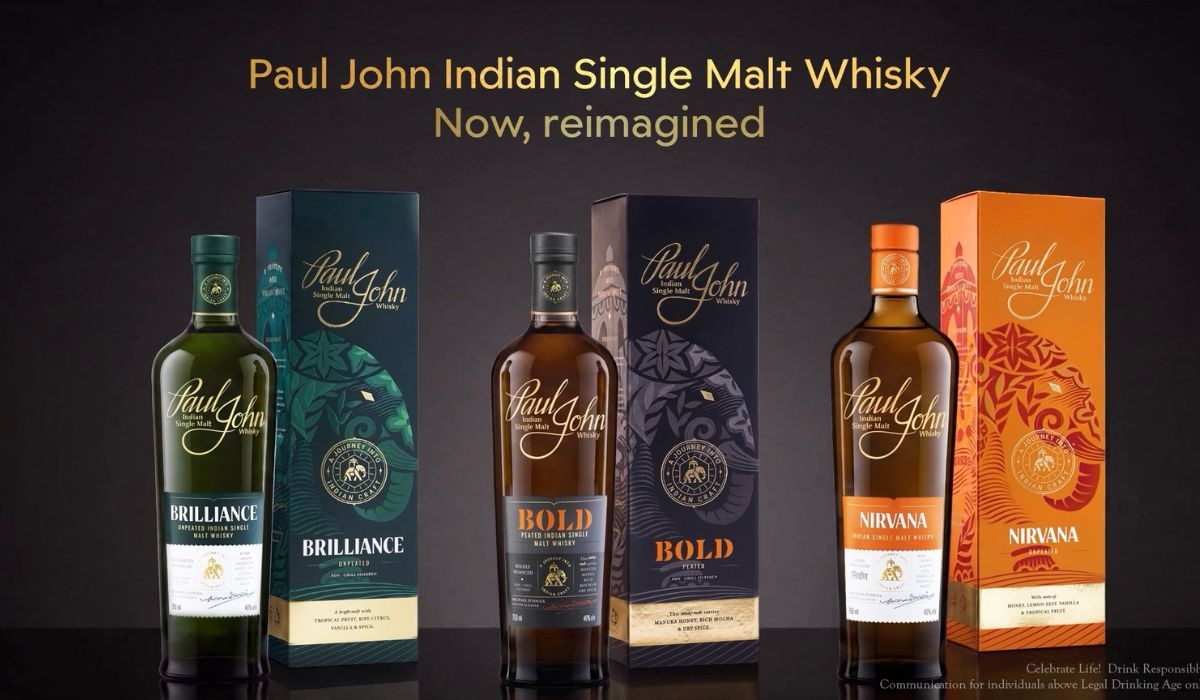
In one of the most significant departures from past practice, the policy now permits malt manufacturing units within Punjab - including barley processing and premium malt whisky distillation. This move aims to:
Cheema described this as part of a strategic shift toward high-value industrial activity within the state.
Punjab’s zero-tolerance policy against illegal liquor continues with intensified enforcement efforts:
These figures were cited by Cheema as evidence of the government’s commitment to tightening the noose around illicit alcohol networks.
The enlarged revenue target is expected to bolster spending on priority areas such as education, healthcare, and welfare schemes, helping reduce reliance on borrowing and external assistance.
Cheema has consistently framed excise reform as an instrument for funding pro-people initiatives while maintaining regulatory discipline.
Though the policy does not raise liquor retail rates per se, broader licence fee adjustments and structural changes in fees may have downstream effects on consumer pricing in FY 2026–27.
While the policy consolidates revenue growth and opens opportunities for industrial diversification, its success in implementation – especially regarding malt unit establishments – will depend on regulatory clarity, investor response, and market adaptation.
The enhanced enforcement regime underscores the state’s resolve against illicit trade, which could both stabilise market credibility and protect public safety.
You May Like Also: Booze to Cost More in Punjab as Government Targets Rs 874 Crore Revenue Boost
The Punjab Excise Policy 2026–27, as set out by the state government and reported by PTI, represents a decisive effort to:
By marrying fiscal ambition with governance reforms, Punjab is seeking to reshape its excise landscape toward growth-oriented, transparent, and socio-responsible outcomes ahead of the new financial year.