
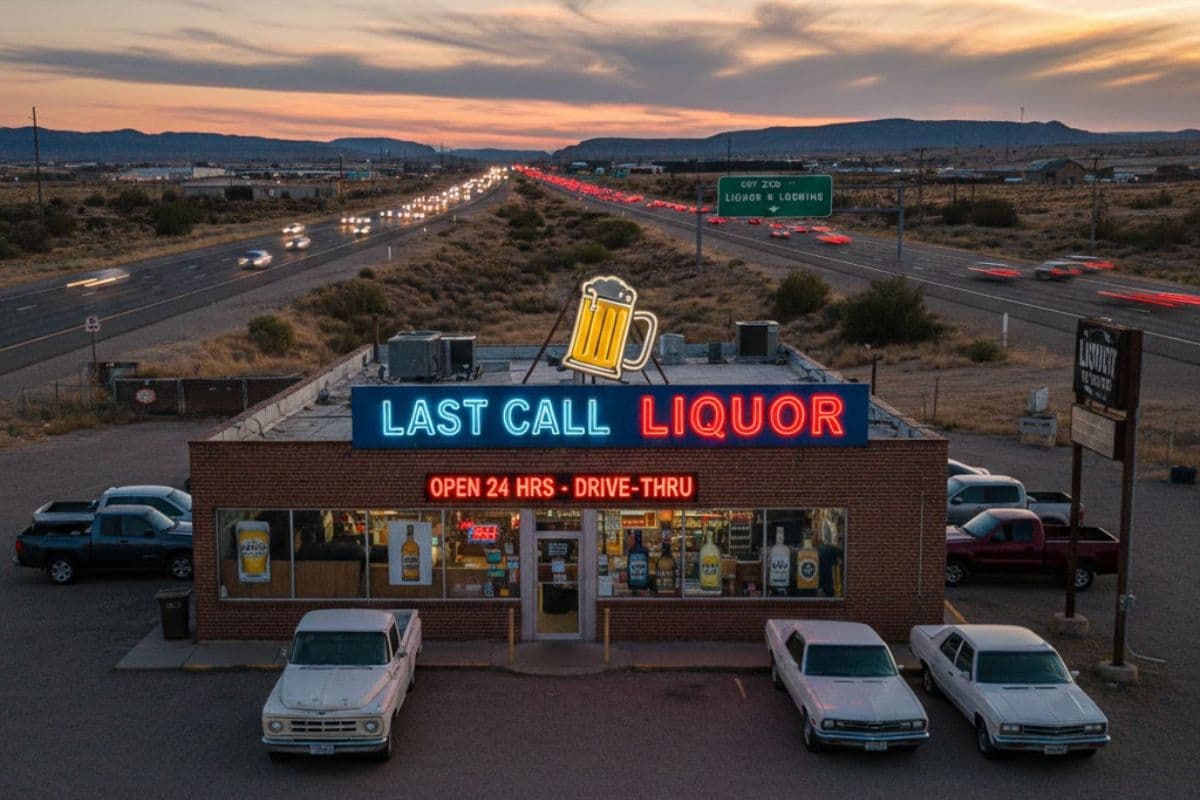
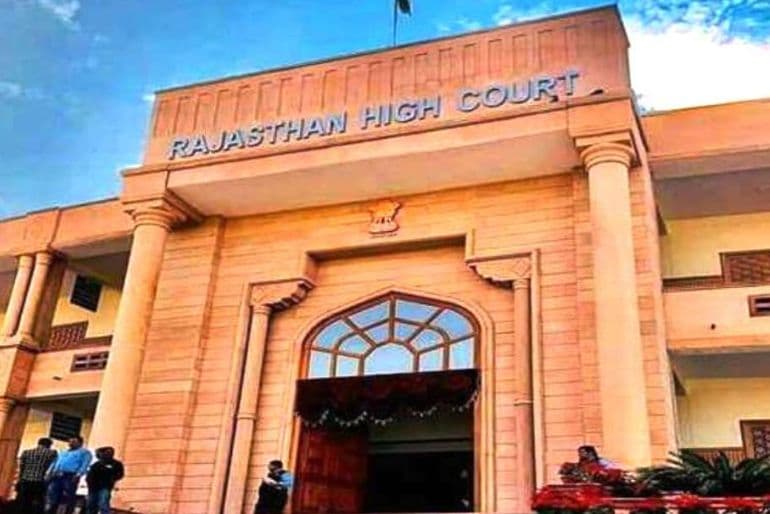
The Rajasthan High Court has recently directed the relocation or removal of all liquor shops located within 500 meters of state or national highways. The court has instructed the state government to implement this decision within a tight timeframe of two months. Additionally, it has mandated the removal of all liquor-related signage from the highways. This ruling was prompted by concerns regarding the availability of alcohol, which is believed to contribute to road accidents.
The Rajasthan High Court ordered the removal or relocation of liquor shops within 500 meters with the aim that the highway corridors need to remain free of liquor shops, liquor-related signage, and advertisements.
This prohibition applies to all the liquor shops near national and state highways, no matter which local authority’s jurisdiction they come under. It means the shops that are near the highway corridor, as well as those inside municipal limits. The court has also set a deadline and has ordered a detailed report on the same, so that urgent action is taken rather than the gradual phase-in.
Also Read: Discover Masai Beer: Flavor Notes, Brewing Style & Key Details
The court identified and directed action on specific units, citing a total of 1,102 outlets located within a 500-meter radius. This order goes beyond the relocation of liquor shops; it also requires the removal of any liquor-related signs, hoardings, or advertisements from the highways, even after the shops have been moved. The goal is to reduce the perceived availability of alcohol to highway users.
The decision is framed around public safety as well as the right to life that comes under Article 21. It comes from the concern of rising road accidents, which are linked to alcohol consumption near or on highways.
The court has demanded a detailed affidavit or compliance report, with subsequent hearings scheduled to review progress. The next one is scheduled on January 26, 2026. Affected licensees must identify relocation sites that comply with the 500-meter rule and may incur costs for relocation, rebranding, and compliance documentation.
Also Read: Health Benefits Of Beer: Myths vs. Facts Explained
Even though the excise revenue from liquor shops is a factor in policy design, the court prioritizes public safety, particularly in accident-prone areas. Several reports have highlighted this tension, noting the emphasis of the court on preventing alcohol access.
.jpg&w=1920&q=75)
Local authorities, business owners, and residents in highway-adjacent districts may experience disruption as shops are relocated. Enforcement could involve site inspections and penalties for non-compliance, depending on the court’s orders and state policy.
People are wishing that the order by the Rajasthan High Court about removing 1,102 liquor outlets, as well as the various advertisement banners, will actually contribute to public safety by reducing the cases of fatal road accidents.
.jpg&w=3840&q=100)