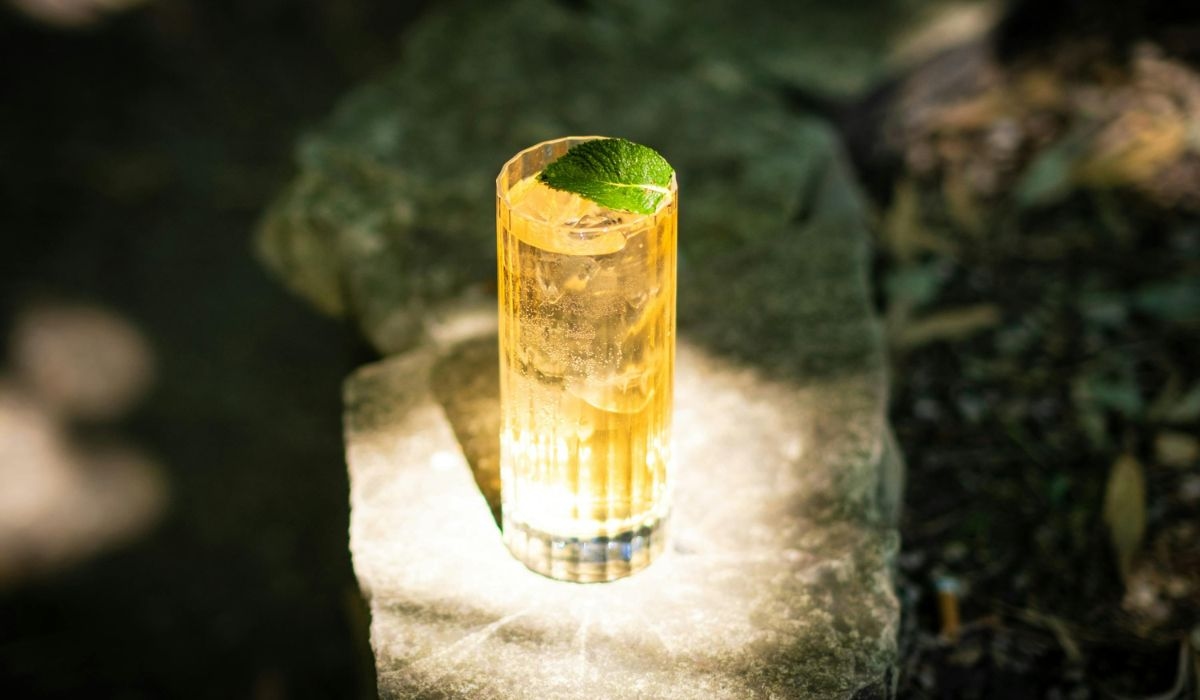

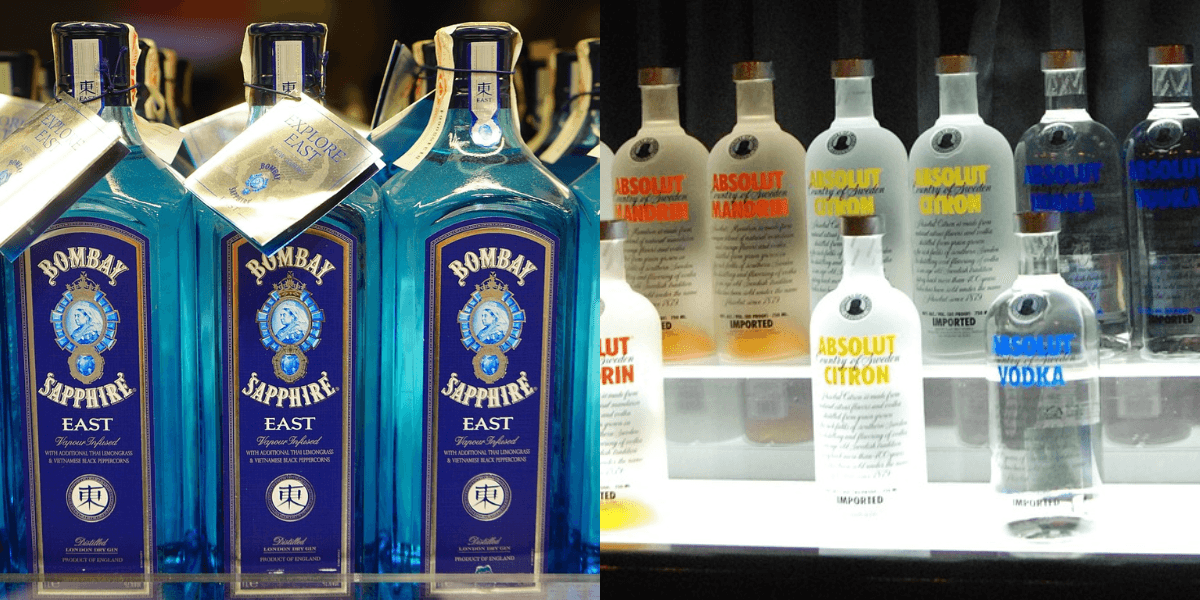
Walk into any modern bar today, and you’ll likely find vodka and gin leading the menu of clear spirits, but many still don’t fully understand what sets them apart. From house parties to cocktail bars, both drinks are now staples, but despite their similar appearance, vodka and gin are fundamentally different in taste, production, and drinking experience. For beginners and casual drinkers, understanding the difference between the two can make choosing the right drink much easier.
Vodka is a clear, neutral spirit traditionally made from fermented grains like wheat or rye, though it can also be produced from potatoes or even fruits. The defining characteristic of vodka is its purity and lack of strong flavor.
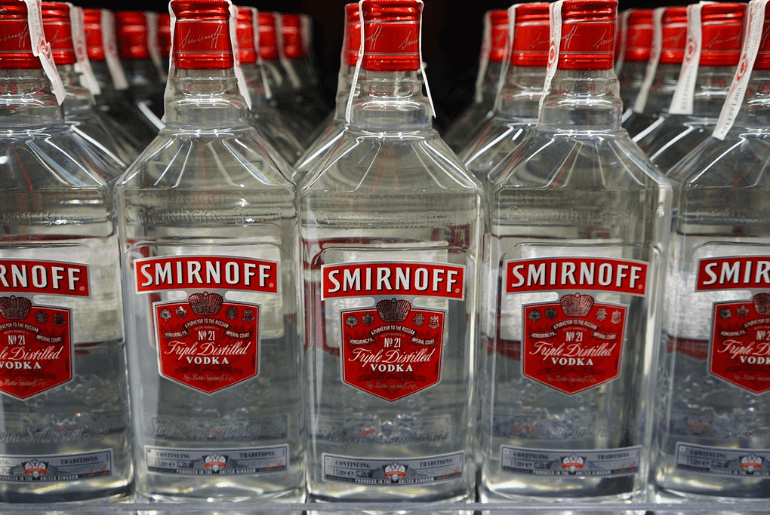
During production, vodka is distilled multiple times and often filtered through charcoal to remove impurities, resulting in a clean and smooth spirit.
Because of this neutrality, vodka is widely used in cocktails, it blends seamlessly without overpowering other ingredients. Popular drinks like Cosmopolitan and Moscow Mule rely on vodka for this reason.
Gin starts with a similar neutral base spirit but takes a completely different direction during production. What makes gin unique is the addition of botanicals, especially juniper berries, which are legally required for a spirit to be called gin.
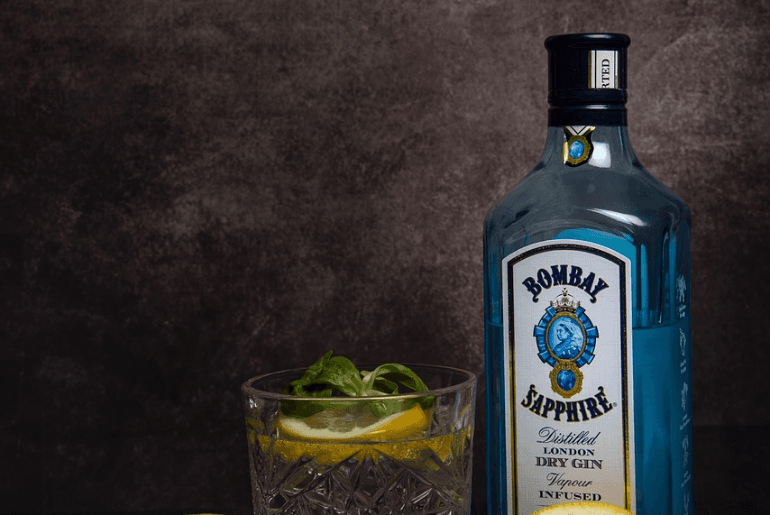
Distillers often add ingredients like citrus peel, coriander, cardamom, and herbs, giving gin a distinctly aromatic and complex flavor profile that can range from floral to spicy or citrusy. This botanical infusion is what sets gin apart, making it the base for drinks like Gin & Tonic and Negroni.
1. Flavor Profile
The biggest difference lies in taste. Vodka is designed to be almost tasteless and odourless, offering a clean finish. Gin, on the other hand, is aromatic and flavorful, often described as herbal or piney due to juniper.
2. Ingredients
Vodka is typically made from grains or potatoes, while gin is made from a neutral spirit that is then infused with juniper and other botanicals.
3. Production Process
Vodka focuses on multiple distillations and filtration to remove flavor. Gin includes an additional step where botanicals are added or redistilled, giving it character and depth.
4. Alcohol Content
Both spirits are quite similar in strength. Most vodkas and gins are bottled at around 37.5% to 40% ABV, though premium versions can go higher.
5. Usage in Cocktails
Vodka is preferred when you want a neutral base, while gin is used when you want the drink to have a distinct flavor and aroma.
The choice between vodka and gin ultimately comes down to personal taste.
While vodka and gin may look identical in a glass, they offer completely different drinking experiences. Vodka is all about simplicity and smoothness, while gin delivers complexity and character through its botanicals.
For beginners, vodka is often the easier starting point, thanks to its neutral taste. However, gin offers a more adventurous journey for those willing to explore layered flavors.